Magnetic track lighting systems are widely used in architectural lighting projects due to their flexibility, modular structure, and clean ceiling appearance. However, in real applications, long-term performance depends on system engineering rather than appearance alone.
Stable operation is influenced by thermal management, electrical consistency, contact reliability, and overall system architecture.
1. Thermal stability is the foundation of system performance
LED modules generate continuous heat during operation. When multiple modules are installed on the same track, heat accumulation becomes one of the key factors affecting system lifespan and output stability.
Key engineering factors include:
- Aluminum extrusion structure for heat dissipation
- Load distribution of high-power modules
- Track profile depth and thermal capacity
- Continuous operation conditions in commercial environments
When thermal design is insufficient, issues such as lumen depreciation and color shift may occur over time.
🧩 Structural impact on heat dissipation
Different structural depths affect thermal behavior significantly.
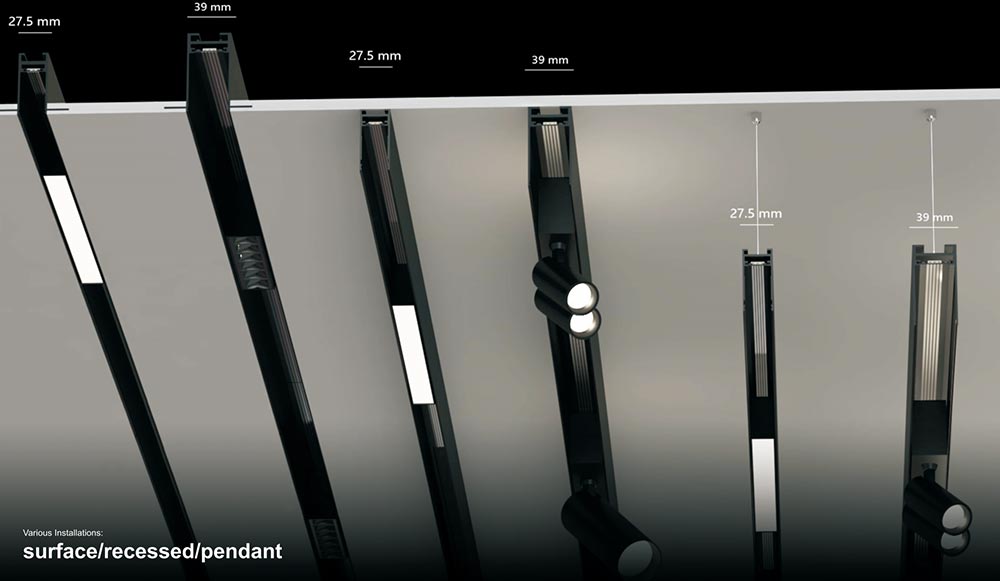
👉 Recommended system options:
39×76mm Standard Magnetic Track System — optimized for high-load and commercial environments
28×59mm Mini Magnetic Track System — balanced performance for general applications
28×29mm Ultra-slim Magnetic Track System — minimal visual impact with compact structure
Each system provides different thermal capacity depending on application requirements.
2. Electrical consistency ensures stable operation
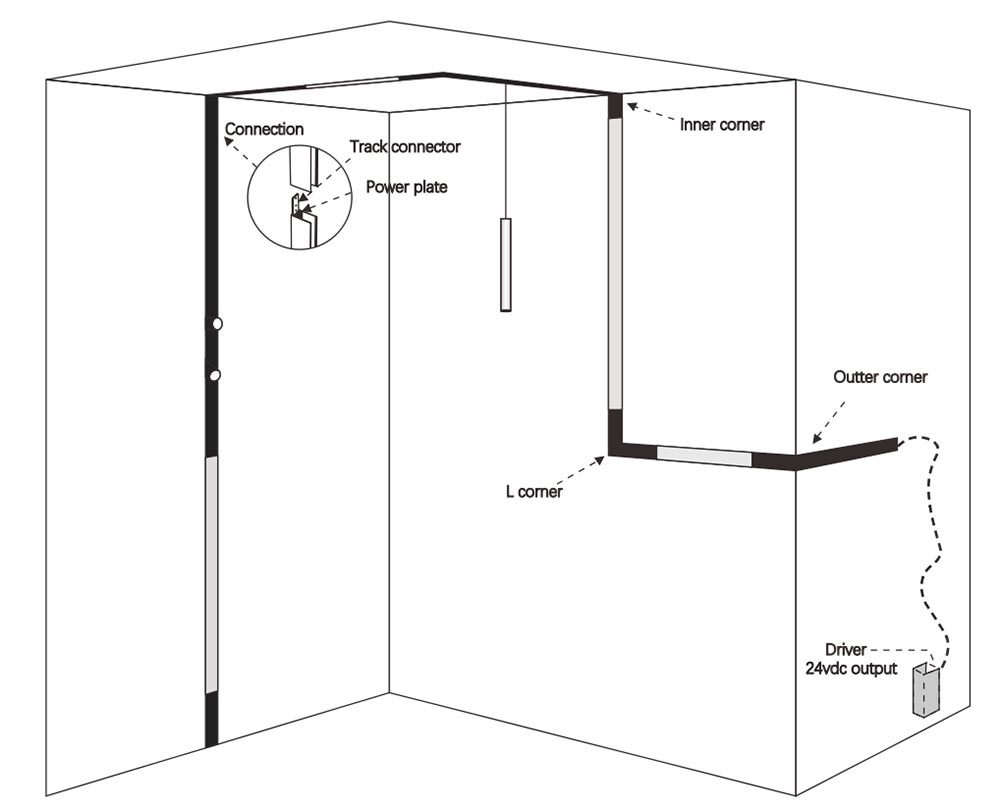
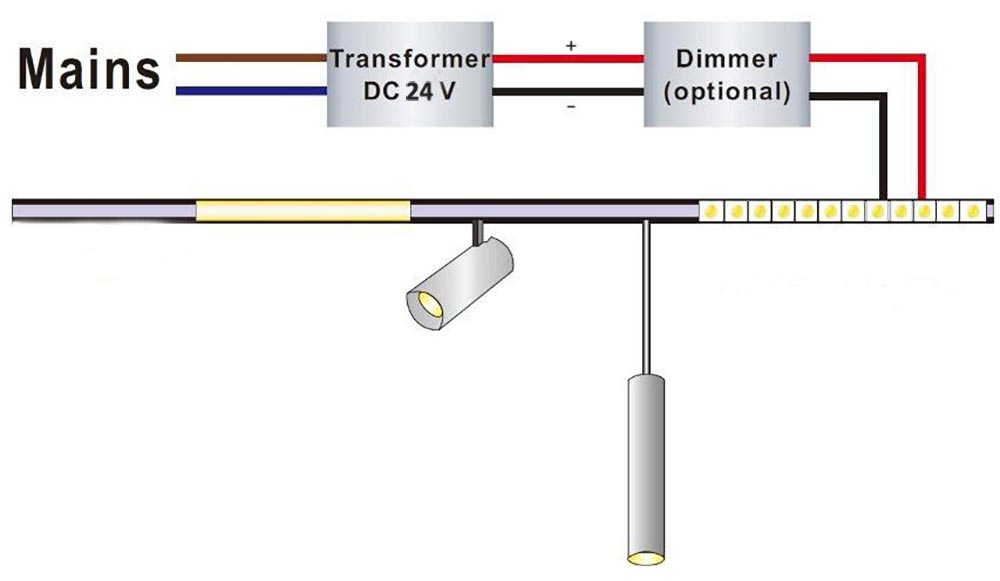
System performance is highly dependent on electrical configuration between track, driver, and dimming system.
Instability often comes from:
- Mismatched LED drivers
- Improper load distribution
- Incompatible dimming protocols
- Inconsistent circuit design
Even small mismatches can lead to flickering, unstable brightness, or system failure in long-term use.
3. Contact reliability between track and modules
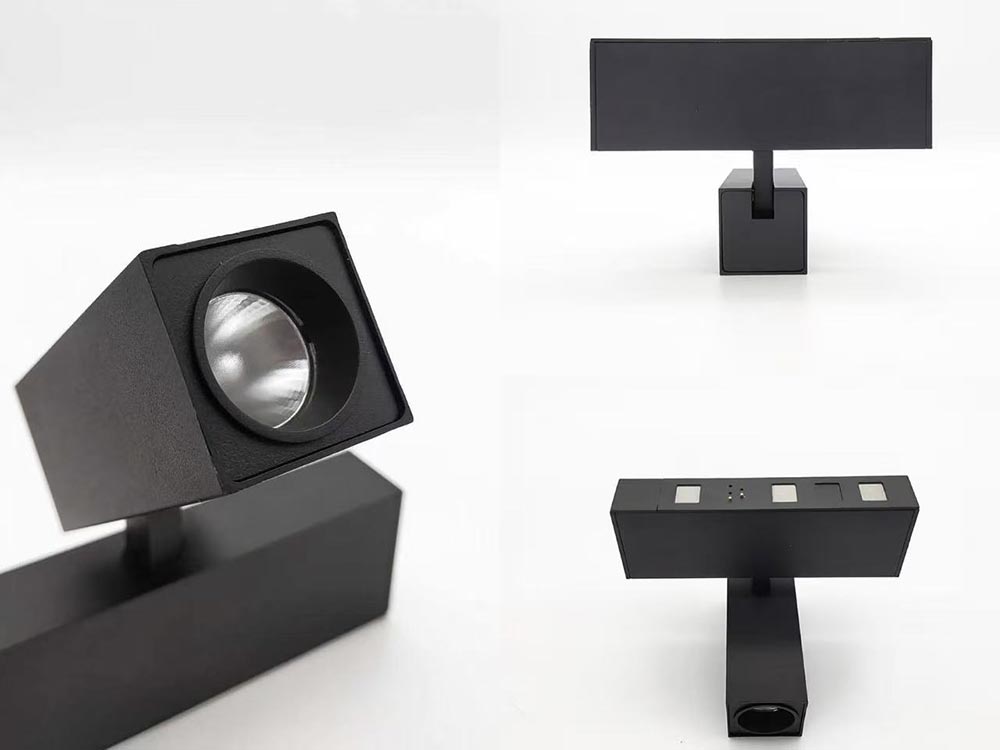
The magnetic interface is responsible for both mechanical fixation and electrical conduction. Its reliability directly affects system stability.
Key influencing factors include:
- Precision of magnetic alignment
- Quality of conductive contact points
- Wear resistance under repeated module changes
🔌 Module interface engineering
A stable contact system ensures:
- Consistent light output
- Reduced flickering risk
- Long-term mechanical reliability
4. System architecture influences maintenance efficiency
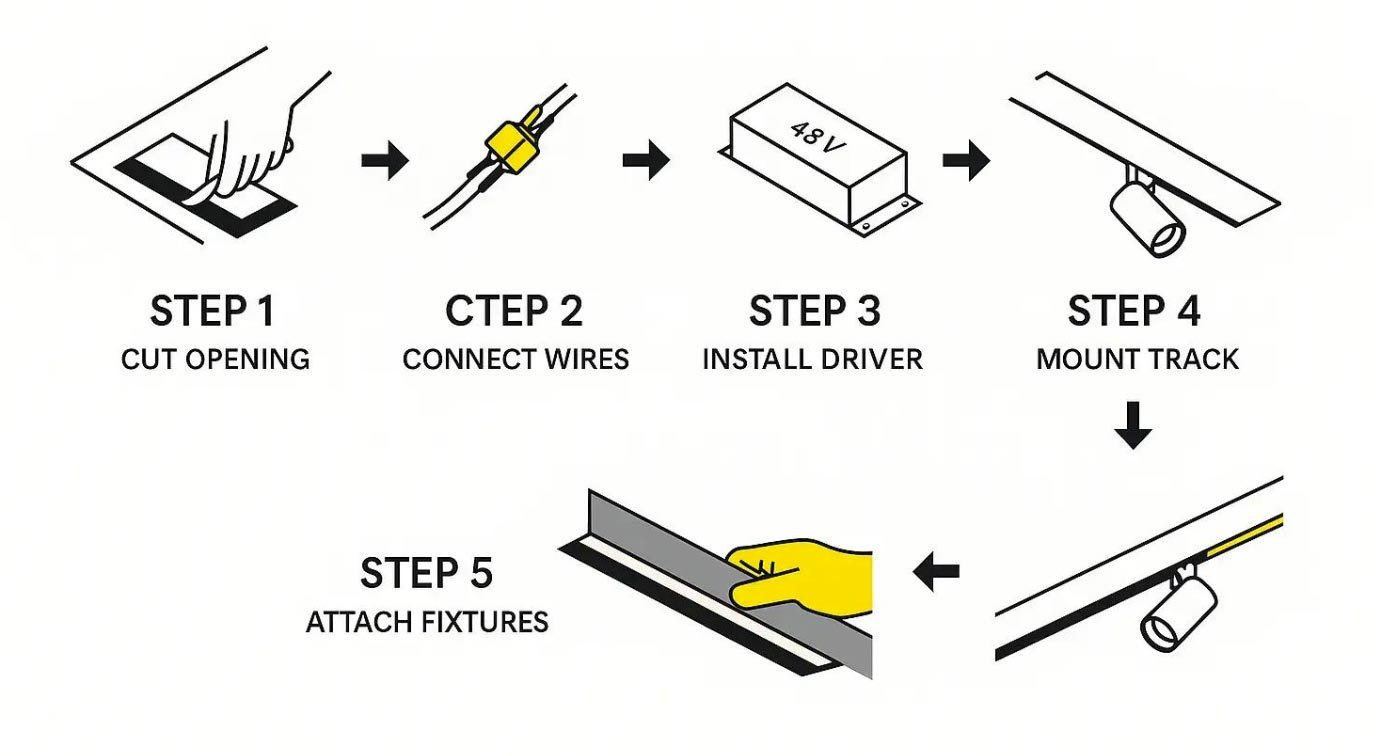
Maintenance planning is often underestimated during early design stages but becomes critical in commercial applications.
Important considerations include:
- Driver accessibility after ceiling installation
- Ease of module replacement
- Dust accumulation on exposed track surfaces
- Modular service design
🛠 Maintenance-oriented engineering design
5. System-level engineering determines reliability
Stable performance cannot be achieved through a single component. It is the result of coordinated system engineering.
A complete magnetic track lighting system depends on:
- Track structural design
- Electrical driver configuration
- Module compatibility
- Thermal and mechanical balance
System-level integration ensures predictable performance and long-term operational stability.
🧠 Integrated system architecture
Q1: What causes instability in magnetic track lighting systems?
Most instability comes from driver mismatch, poor load design, or incompatible dimming systems rather than the track itself.
Q2: Do slim track systems perform differently from Standard systems?
Yes. Slim systems are more sensitive to heat and electrical load, while standard systems offer higher stability under continuous operation.
Q3: Can magnetic track lighting be used in long-hour commercial environments?
Yes. However, performance depends on thermal design, driver quality, and correct system configuration.
Q4: Is maintenance difficult after installation?
Maintenance depends on system design. Modular systems with accessible drivers and replaceable modules are easier to service.