What are the differences between screw-type, spring-type, and plug-in terminal blocks? Which type is more suitable for industrial automation, power systems, or PCB connections? This article provides a detailed comparison of the advantages, disadvantages, application scenarios, and selection recommendations for these three types of terminal blocks, helping engineers and purchasing personnel make informed decisions.
Why does the choice of terminal blocks affect system stability?
In industrial control, power distribution, new energy equipment, and automation systems, terminal blocks are critical connecting components. Different connection methods directly impact the safety, stability, and maintenance costs of the system.
I. Screw Terminal Block
Advantages: High current carrying capacity, lower cost, suitable for large cross-section wires.
Limitations: Requires regular maintenance, may loosen in high-vibration environments.
Applicable scenarios: Power distribution cabinets, industrial control boxes, high-current power equipment.
II. Spring Terminal Block
Advantages: Strong vibration resistance, maintenance-free, high installation efficiency.
Limitations: Relatively higher cost, not suitable for ultra-high current applications.
Applicable scenarios: Automation control systems, rail transit, robotic equipment.
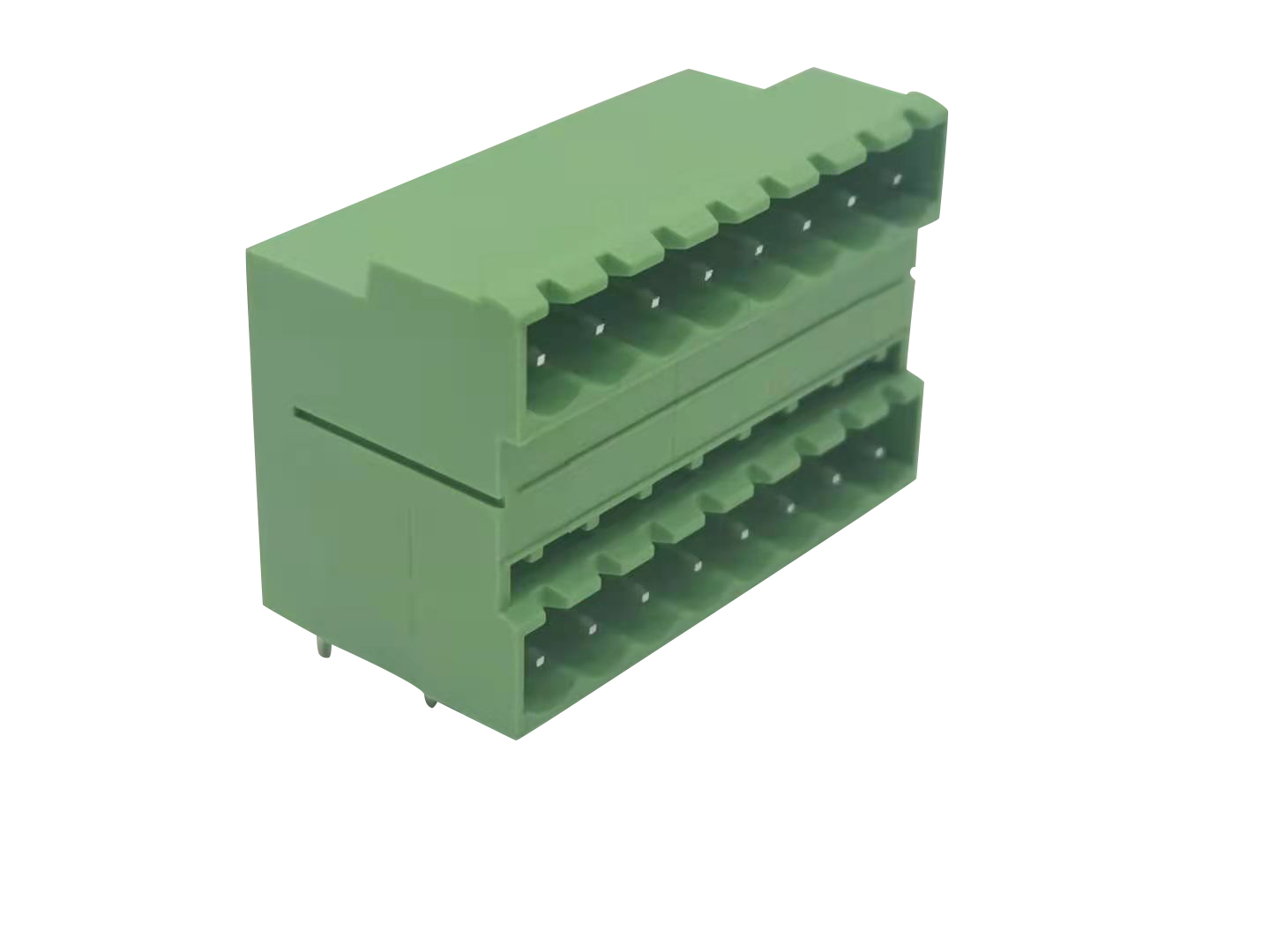
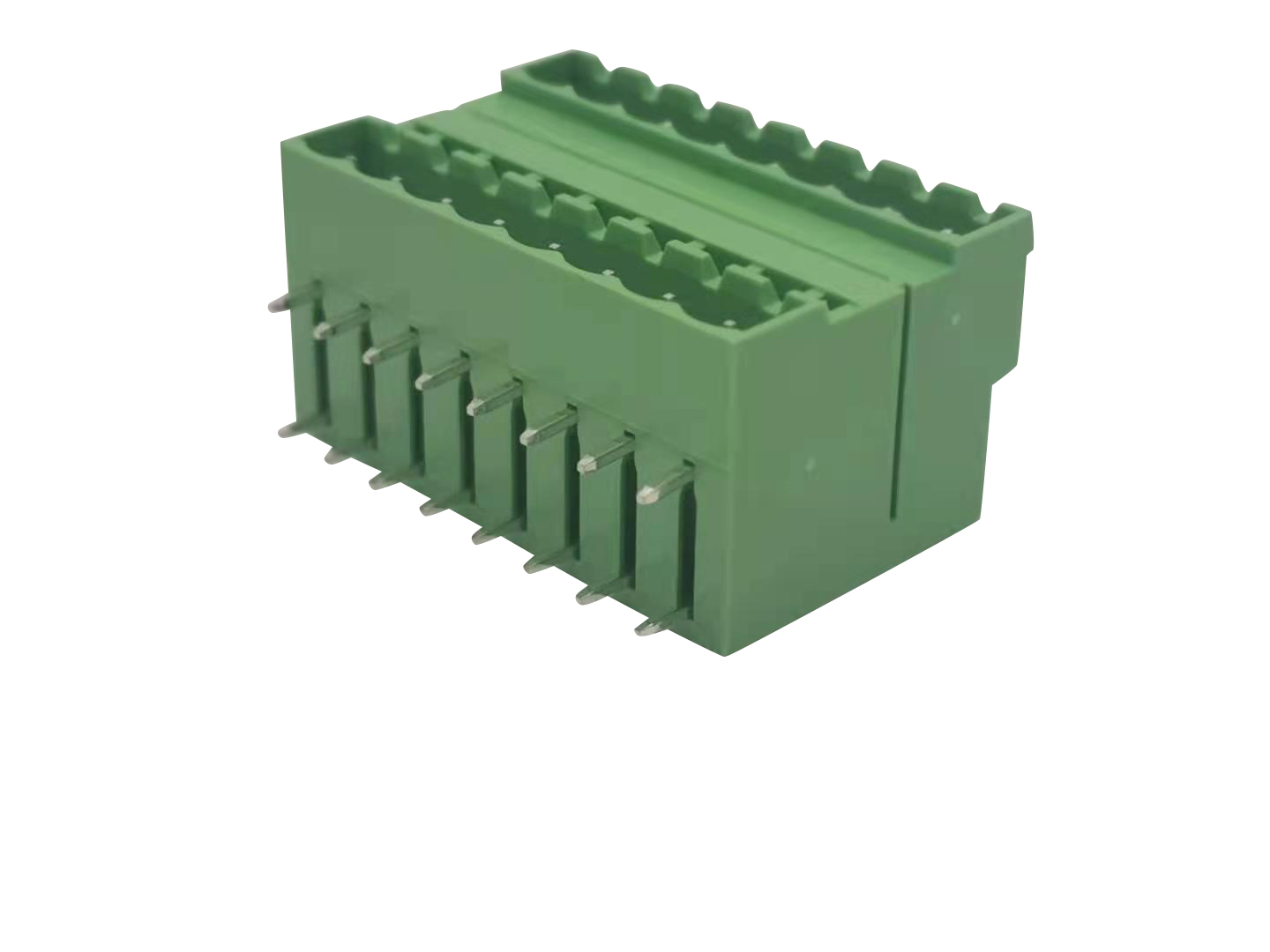
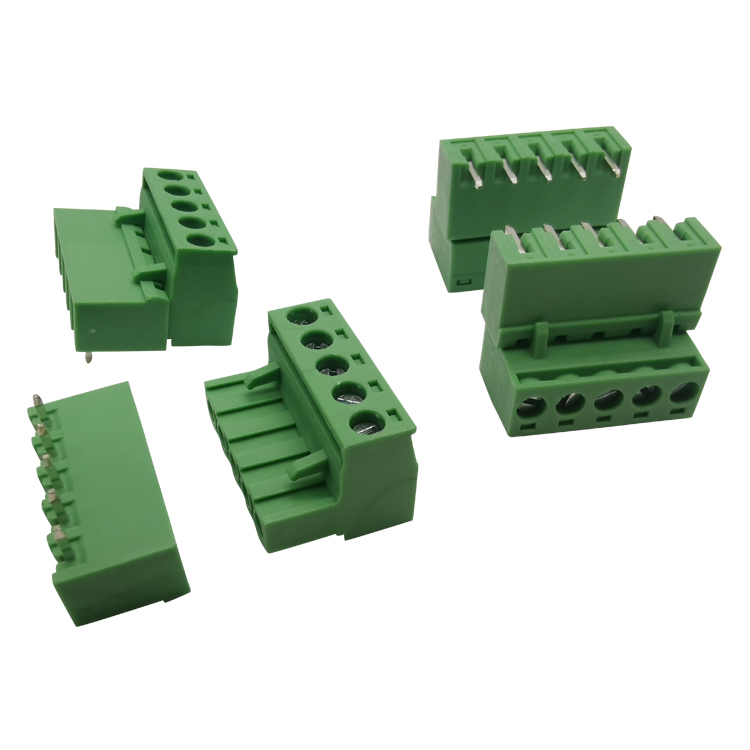
III. Push-in / Pluggable Terminal Blocks
Advantages: Fast installation, convenient for modular design, suitable for PCB connections.
Limitations: Relatively lower current carrying capacity, structural strength is not as good as screw-type terminals.
Applicable scenarios: PCB control boards, mass-produced equipment, systems requiring frequent disassembly and assembly.
Summary of the three types of terminal blocks:
Q1: Screw-type emphasizes high current carrying capacity;
Q2: Spring-type emphasizes vibration resistance and maintenance-free operation;
Q3: Push-in type emphasizes efficiency and modularity.
When choosing, comprehensive consideration should be given to current and voltage levels, environmental conditions, installation efficiency, and maintenance requirements.
Frequently Asked Questions (FAQ)
Q1: Which type of terminal block is most vibration-resistant?
A: Spring-type terminal blocks are more stable in high-vibration environments.
Q2: Which type is recommended for high-current applications?
A: Screw-type terminal blocks are more suitable for high-current applications.
Q3: Which type of terminal block is used for PCB boards?
A: Plug-in or pluggable terminal blocks are more suitable for PCB applications.