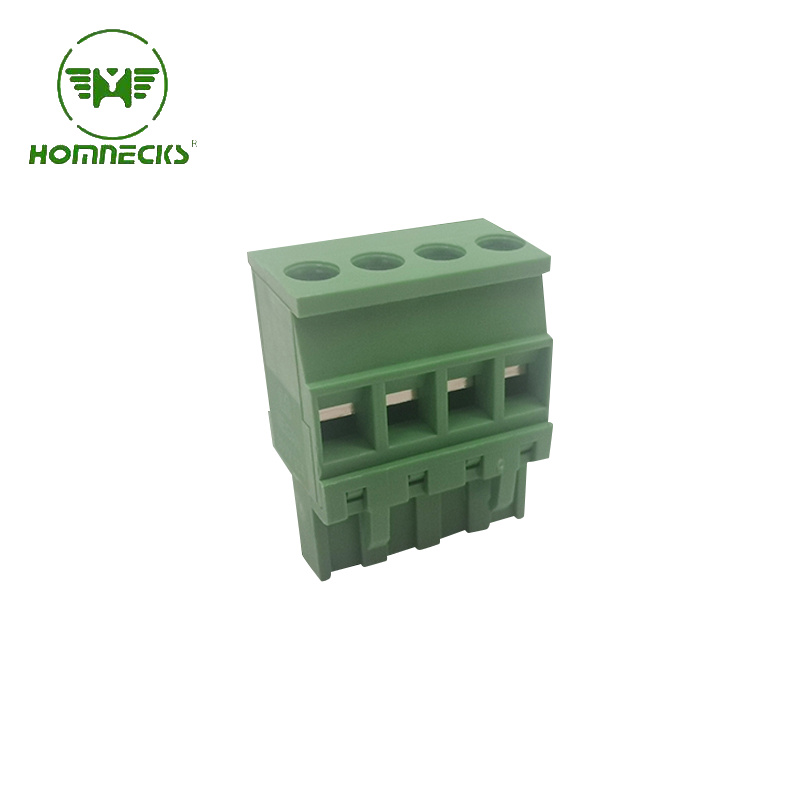
Why Materials are important: Brass vs Screws Terminal Blocks
Material Basics: The Fundamental Differences Between Brass and Steel
Before delving into the comparison, we need to understand the basic characteristics of these two materials.
Brass is an alloy of copper and zinc, typically containing 60-95% copper. It has acceptable conductivity, good machinability, and good weldability, and is moderately priced, with a yellowish appearance. Brass's conductivity is approximately 70% of pure copper, which is considered medium among commonly used metal materials.
Steel's main component is iron, and it has very poor electrical conductivity—only 3-10% that of pure copper. However, steel possesses good elasticity and excellent wear resistance, and can be used at temperatures up to 250°C. Steel is gray in color, and its corrosion resistance can be improved through various surface treatments (such as nickel plating and zinc plating).
From a cost perspective, brass is relatively economical, while steel, after special treatment, can be more expensive. However, this only considers the cost of the material itself; we need to assess the total cost of ownership at the system level.
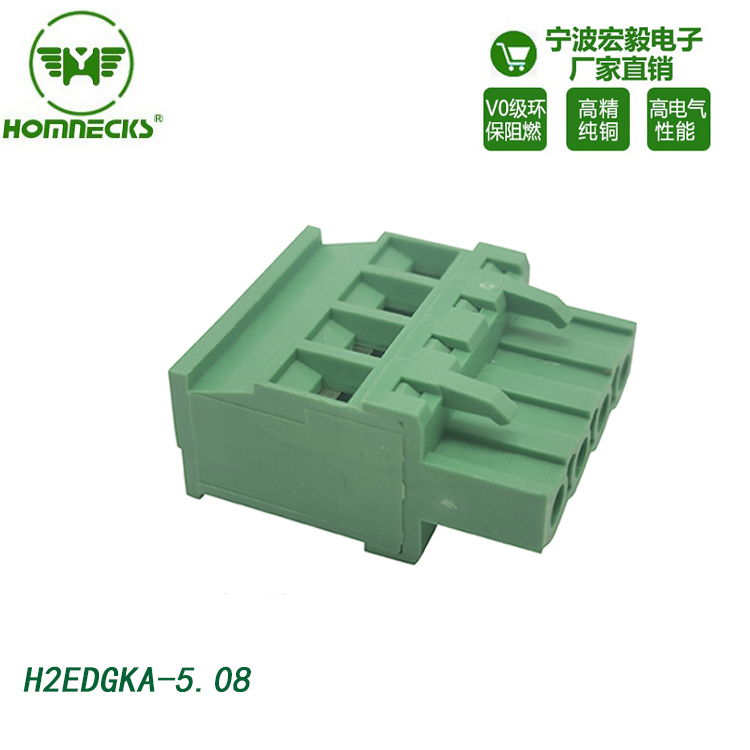
Electrical Conductivity: A Natural Advantage of Brass
In isolating terminals, screws not only serve a mechanical fixing function but also participate in current conduction. Brass screws have a natural advantage in this regard:
- Lower Contact Resistance: Brass has a much higher conductivity than steel, effectively reducing contact resistance at connection points, minimizing power loss and heat generation.
- Stable Conductivity: When tightening wires, brass screws form a more reliable electrical connection, ensuring stable current transmission.
In contrast, steel screws have poor electrical conductivity. When using steel screws, current is primarily transmitted through the conductive components of the terminal itself, with the screw mainly serving a mechanical clamping function. In some designs, steel screws may require thicker plating or special structures to compensate for their lower conductivity.
Mechanical Strength and Tightening Force: The Advantages of Steel
In applications requiring high tightening force, steel screws exhibit significant advantages:
- Higher Mechanical Strength: Steel has higher mechanical strength than brass and can withstand greater tightening torque. This is particularly important for connections of large-section cables (16mm² and above), as high-current connections require sufficient clamping force to ensure reliable contact.
- Vibration Resistance: This is crucial for applications such as rail transportation, wind power generation equipment, and robotic arm control cabinets.
Corrosion Resistance: The Key Role of Surface Treatment
Whether it's brass or steel, surface treatment is a crucial factor determining corrosion resistance.
Common Surface Treatments for Brass Screws:
- Tin Plating: Tin-plated brass is stable in general environments, but not recommended for continuous high-temperature use.
- Nickel Plating: Strong corrosion resistance, but poor electrical conductivity. Nickel-plated brass is suitable for high-temperature and humid environments, and can be used at temperatures around 250°C.
Common surface treatments for steel screws:
- Nickel plating: After 48 hours of testing with 5% NaCl salt spray, the contact resistance change rate is ≤1.2%, demonstrating excellent performance. Nickel-plated steel screws are suitable for high-humidity industrial environments and can extend their service life by 3-5 times.
- Zinc plating (color zinc): Suitable for dry indoor environments, but requires regular maintenance and inspection.
- Stainless steel: Such as AISI 303, 304, 316L, etc., with extremely strong corrosion resistance.
Selection Guidelines for Different Application Scenarios
1. General Industrial Control Cabinets
For conventional industrial control cabinets, the environment is relatively stable, and temperature and humidity are controllable. Tin-plated brass screws are the most balanced choice.
2. High Vibration Environments
Nickel-plated steel screws are recommended to balance corrosion resistance.
3. High-Current Connections
For main power input lines and connections of large-section cables (16mm² and above), brass screws are superior due to their excellent conductivity. Tin plating or silver plating can further enhance conductivity and oxidation resistance.
4. Highly Corrosive Environments
In corrosive environments such as coastal areas, chemical plants, and wastewater treatment plants, corrosion resistance is a primary consideration. Options include:
- 316L stainless steel screws: Extremely strong corrosion resistance, suitable for special industries such as medical and food processing.
5. High-Temperature Applications
In high-temperature environments, the thermal stability of materials is crucial. Nickel-plated steel screws can be used at temperatures around 250°C, while brass or nickel-plated bronze can also reach 250°C. For even higher temperatures, special materials such as stainless steel or nickel alloys are required.
Trade-offs between Cost and Long-Term Reliability
Factors to consider include:
- Replacement Costs: Replacing a failed screw in a complex system may involve multiple steps such as equipment downtime and manual disassembly, with costs far exceeding the cost of the screw itself.
-Choosing high-quality screw materials is an effective measure to reduce this risk.
Conclusions and Selection Recommendations
The key is to find the optimal balance between conductivity, mechanical strength, corrosion resistance, and cost based on specific application requirements.