Latest Electronics News & Trends | Expert Insights & Innovations
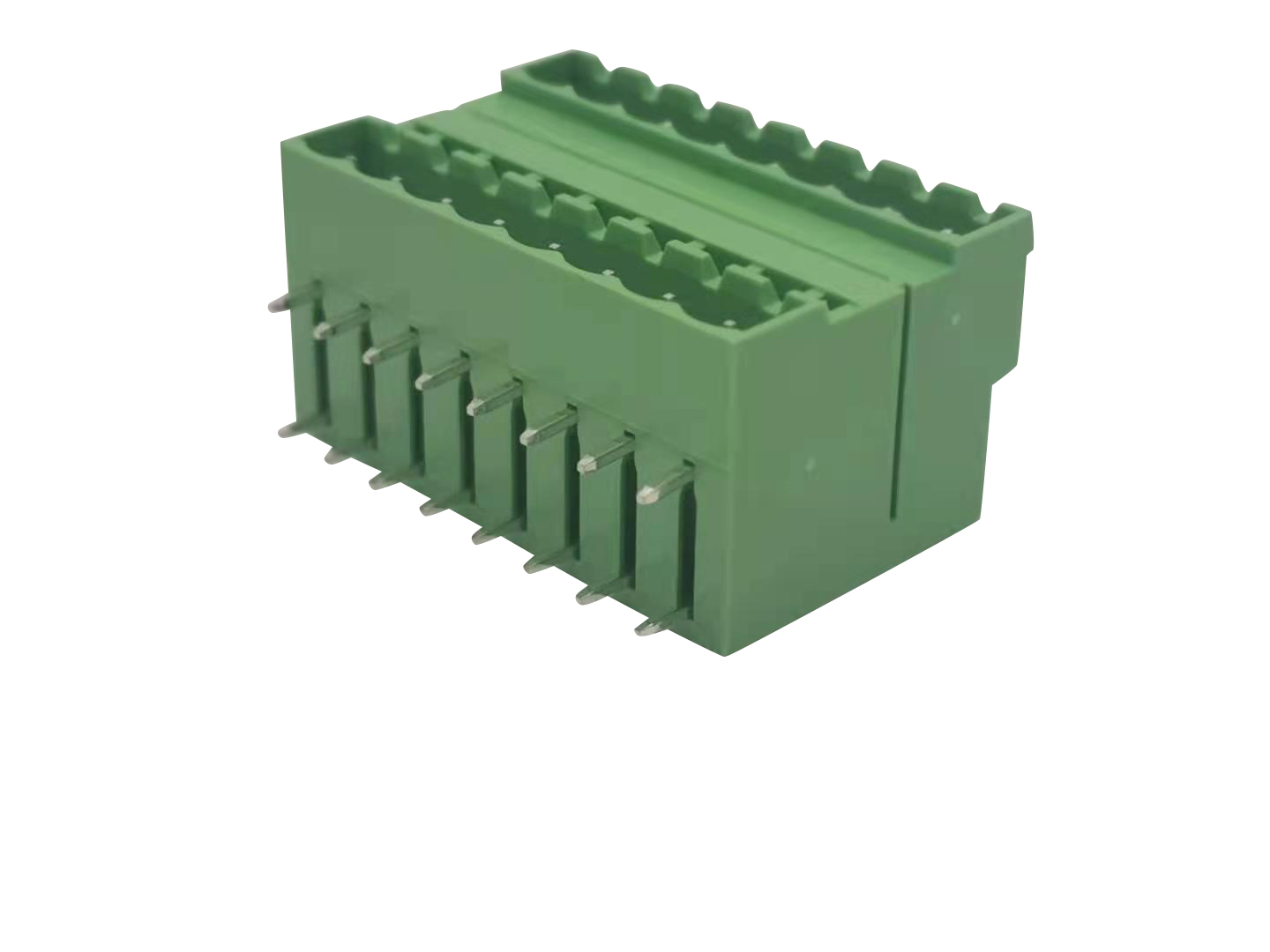
pluggable pcb terminal block

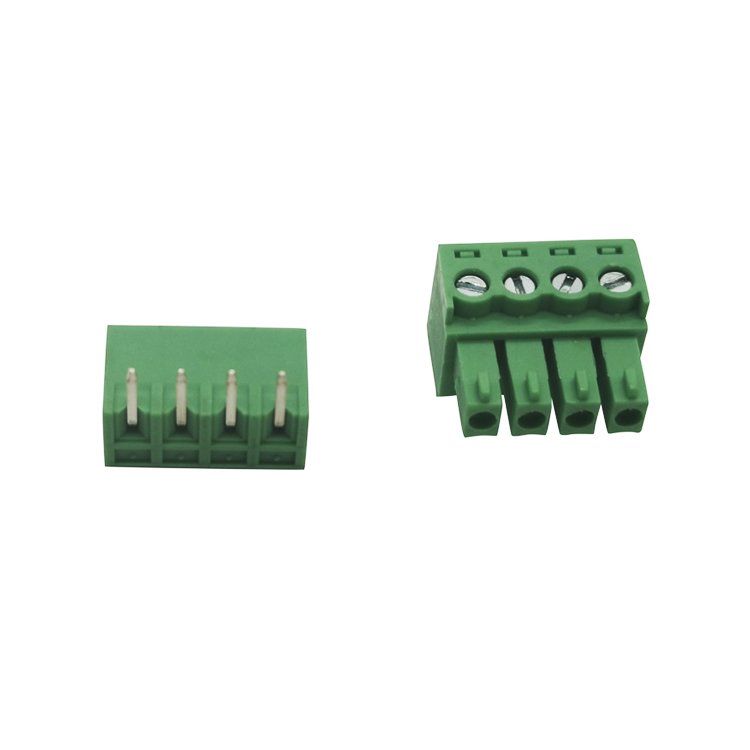
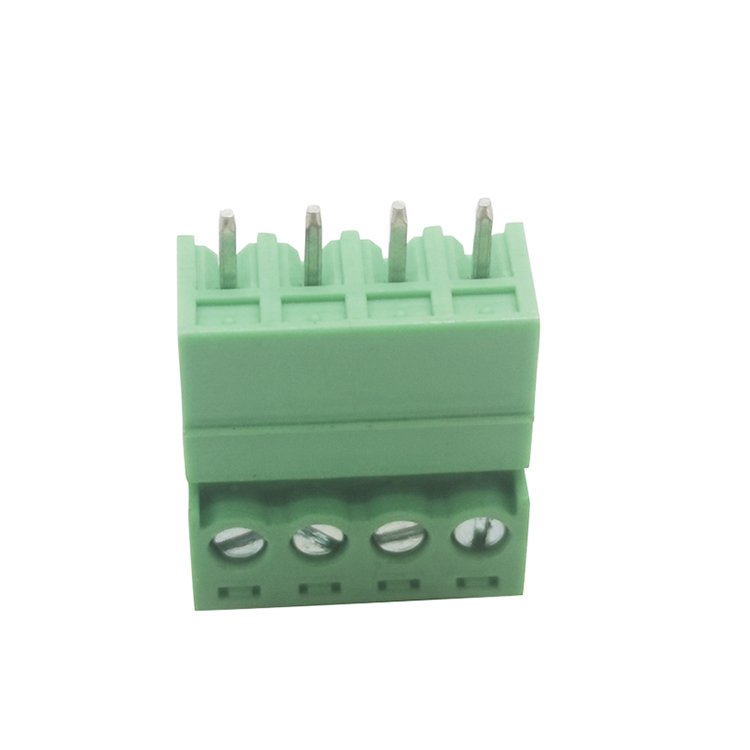
Pluggable PCB terminal block VS screw terminal block VS spring terminal block How to choose?

plug in terminal block


In industrial control, power systems, automation equipment, and electronic products, terminal blocks are one of the most common and critical connectors.Choosing the right type of terminal block (such as pluggable PCB terminals, screw terminals, or spring terminals) not only affects wiring efficiency but also directly impacts system stability and future maintenance costs.


I. What are Pluggable PCB Terminal Blocks?

Pluggable PCB terminal blocks consist of two parts: a plug and a base, allowing for quick insertion and removal without the need for rewiring.

This type of terminal block is widely used in modular equipment and industrial control systems.

Advantages include:

- Fast installation and maintenance

- Reliable connection and stable contact

- Suitable for PCB mounting

- Available in various pitch sizes, such as 3.5mm, 3.81mm, 5.0mm, 5.08mm, 7.5mm, and 7.62mm


II. Screw Terminal Blocks: Characteristics

Screw terminal blocks secure wires using screws, resulting in a robust structure. They are one of the most common types of terminals in industrial applications.


Main Features:

- Secure wire fixation with strong tensile strength

- Suitable for medium to high current applications

- Low cost and high versatility

- Available in various configurations, including PCB mount screw terminals, 2-pin, 3-pole, etc.


III. Spring/Screwless Terminal Blocks

Spring terminal blocks use spring clips to secure wires, eliminating the need for screws and improving assembly efficiency.


Key Advantages:

- Fast wiring, reducing labor time

- Excellent vibration resistance

- Suitable for high-density PCB designs


IV. PCB Mounting Terminals and Barrier Terminal Blocks

In applications requiring high insulation distance and safety, barrier terminal blocks are widely used,

suitable for power supplies, power control, and industrial equipment.


V. How to Choose the Right Terminal Block?

When selecting a terminal block, it is recommended to focus on:

1. Terminal spacing (Pitch)

2. Current and voltage ratings

3. Wiring method (screw/spring/pluggable)

4. PCB mounting method

5. Frequency of future maintenance


Conclusion:

Whether it's pluggable terminals, PCB-mounted terminals, or spring terminals, choosing the right terminal solution can significantly improve system stability.

As a professional terminal manufacturer and supplier, we can provide customized PCB terminal solutions for our customers.
 

阅读全文......

Terminal Block Torque and Connection Reliability Explained

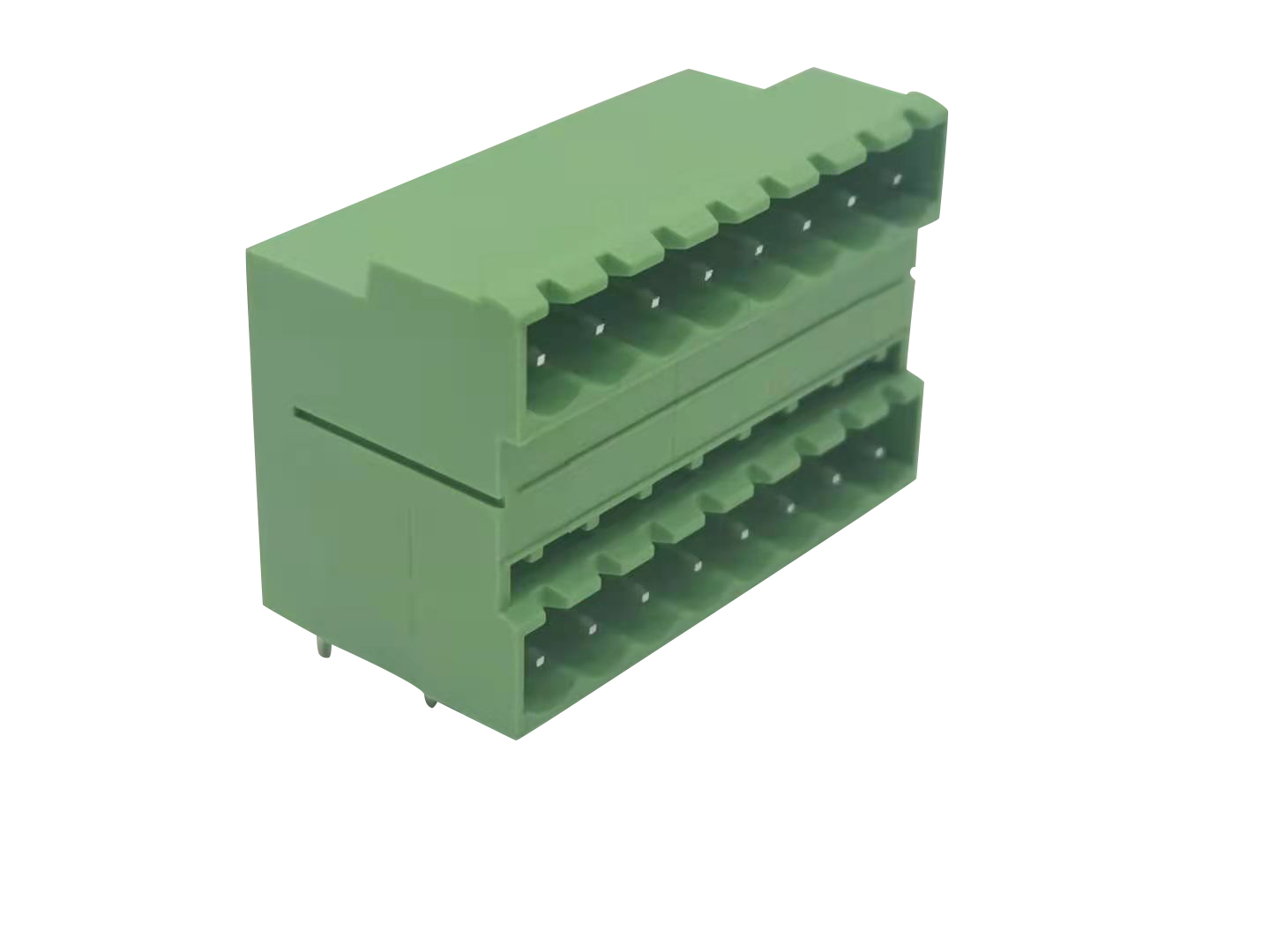
5.08 pcb terminal block

The torque of terminal blocks (specifically screw-type terminals) is the most critical and direct installation parameter affecting their connection reliability.  It is not an isolated value, but a key control point in a precision engineering system. The following explains the relationship between the two, from principle to practice.

Core Principle: How is torque converted into a reliable electrical connection?

The physical chain of events can be simplified as follows:

Applied torque → Generation of clamping force (axial force) → Formation of contact pressure → Determination of contact resistance → Impact on long-term reliability


Torque (T): The rotational force applied during installation using a screwdriver or wrench, typically measured in Newton-meters (N·m) or centiNewton-meters (cN·m).


Clamping force (F): The axial compressive force generated between the wire, terminal block, and conductive strip as the screw is rotated and tightened. This is the core purpose of the torque.


The relationship is influenced by several factors: F ≈ k * T / d (where k is the overall friction coefficient, and d is the nominal diameter of the screw). The friction coefficient is a key variable and is greatly affected by the threads, washers, and surface condition of the wire.


Contact pressure (P): The actual pressure generated by the clamping force at the microscopic contact points. Sufficient contact pressure can:


Break through the oxide film:  The surface of the conductor (usually aluminum or copper) has an insulating oxide film; high pressure can break this film, creating metal-to-metal contact.

Increase the contact area: Cause controlled plastic deformation of the conductor, increasing the effective conductive area.


Maintain stable contact: Resist loosening caused by vibration and thermal expansion and contraction.


Contact resistance (Rc): Contact pressure directly determines the magnitude of contact resistance. There is a critical pressure above which the contact resistance tends to stabilize at a very low value; below this value, the resistance increases sharply.


Low and stable Rc means: low power loss (P_loss = I² * Rc), low heat generation, high current carrying capacity, and good signal integrity.

The torque applied to terminal blocks is not simply a matter of "tightening," but rather a precise engineering control parameter. It is the bridge that transforms mechanical energy into a stable electrical connection.


Reliability formula: Reliable connection = Correct torque × Suitable wire × Standardized process × Matching terminal design.


Core understanding: The "correctness" of the torque directly determines the "stability" of the contact resistance, which in turn is crucial for long-term electrical reliability.

Ignoring torque control is equivalent to planting a time bomb in the connection point, a fault that will inevitably trigger over time.


Therefore, in any serious industrial, energy, or transportation sector, incorporating and strictly controlling wiring torque in process specifications is an essential measure to ensure the reliability of fundamental system connections.


阅读全文......

The Role of Terminal Blocks in PCB and Industrial Control Systems

pluggable pcb terminal block


PCB terminal blocks are super important for both PCBs and how factories control their machines. Think of them as simple connectors that help make electrical things work by hooking everything up. They make sure your circuits connect to the outside world safely and without any trouble.


Here’s what they do for PCBs and industrial control systems:


I. How They Work on PCBs (Printed Circuit Boards)


On a PCB, terminal blocks act like connectors. They link the circuit to external cables.


Where the Electrical Stuff Happens:


Input/Output Points: They bring signals from sensors to the PCB to be used. They also send signals from the PCB to control things or show what's going on.


Power Points: They give juice to the PCB and every part on it.


Board Connectors: In setups that are more involved, they join the main board to smaller boards that do certain tasks.


Easy Testing:


Engineers can hook up their tools to the terminals to check signals and voltage. This is a must when you're testing, building, or fixing stuff.


Keep It Simple:


With terminals, each PCB can be made, checked, and swapped out on its own. If a PCB breaks, you can just switch it out by unplugging and plugging in the cables. No soldering needed.


Works for All Sorts of Connections:


PCB Direct Solder: Soldered right onto the board to stay put.


Plug-in: Easy to plug in and swap out.


Barrier Strip/Screw-Down: Screws hold it tight, so it will not come loose.

pcb pluggable terminal block connector


II. How They Work in Industrial Control Systems


In control boxes, distribution panels, and on the factory floor, terminal blocks do a lot! They're like the central nerve and power hub of the whole control system.


Signals are Everywhere:


More PLC/DCS Inputs/Outputs: Almost every PLC and DCS input/output part either has or connects to a bunch of terminal blocks. All those cables from sensors and other devices plug in here, which makes it easier to manage and send signals where they're needed.


Power is Central:


Power enters the control box and gets split up through the terminals. It goes through safety devices and then to different devices at different voltages through the terminal blocks.


Keep Things Separate:


Keeps Voltages Apart: Terminal blocks keep circuits with different voltages and signals away from each other, preventing problems and short circuits.


More Reliable and Safer:


Strong Connections: Screw terminals and spring clips hold on tighter than solder, so they're good for places where things vibrate a lot.


Safety: Many terminals keep fingers away from live electricity, keep out dust and water, and don’t catch fire easily, which keeps people and devices safe.


Labels: Terminal blocks usually have labels or numbers, so you know what each signal is for. This helps when you're fixing the system later on.


Tidy Wiring: Terminal blocks keep all those cables neat, labeled, and connected. This makes the wiring in the box cleaner and better.


Simple to Use:


Easy Hook-Ups: Wiring is faster and more organized on a terminal block.


Easy Fixes: If something messes up, you can easily disconnect or test a signal on the terminal block.


Add More Gear: When you add new stuff, just wire it to the terminals without messing with the main wiring.


So, basically, terminal blocks are essential for keeping things manageable in electrical jobs. They turn complicated setups into simple spots to wire into, which makes electronics and systems work well and easy to maintain. Without them, making, testing, and maintaining modern electrical control systems would be a headache!

阅读全文......