Latest Electronics News & Trends | Expert Insights & Innovations
pluggable terminal block manufacturer

Your project requires selecting a suitable PCB mounting terminal block manufacturer

pluggable pcb terminal block supplier

When you're working on an electronic circuit project, picking the right PCB mount terminal block is super important. It keeps everything safe, reliable, and easy to fix if something goes wrong. There are tons of options out there, so knowing what's what can save you a lot of time and cash. Let's check out some common choices for circuit board designs today.


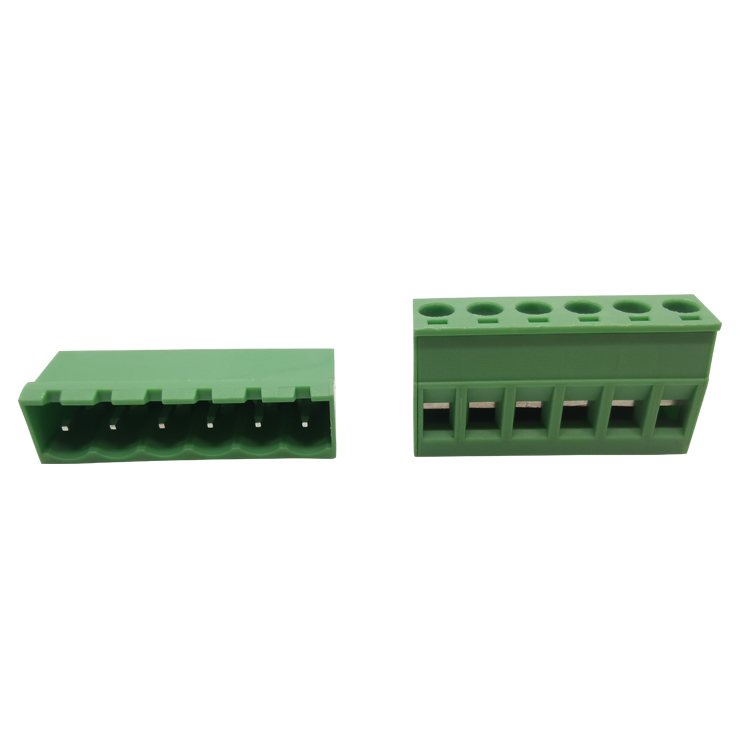
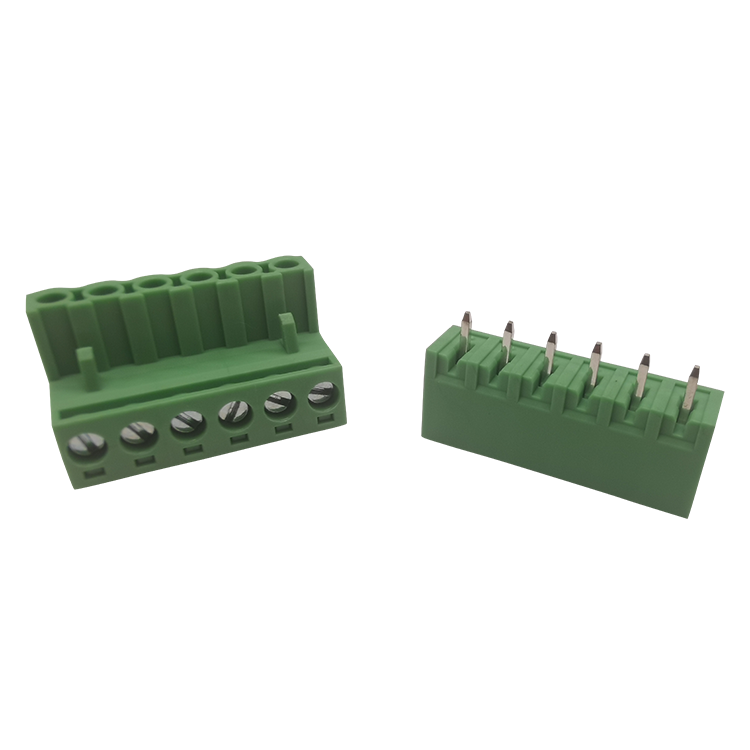
1. Pluggable PCB Terminal Blocks: Super Handy


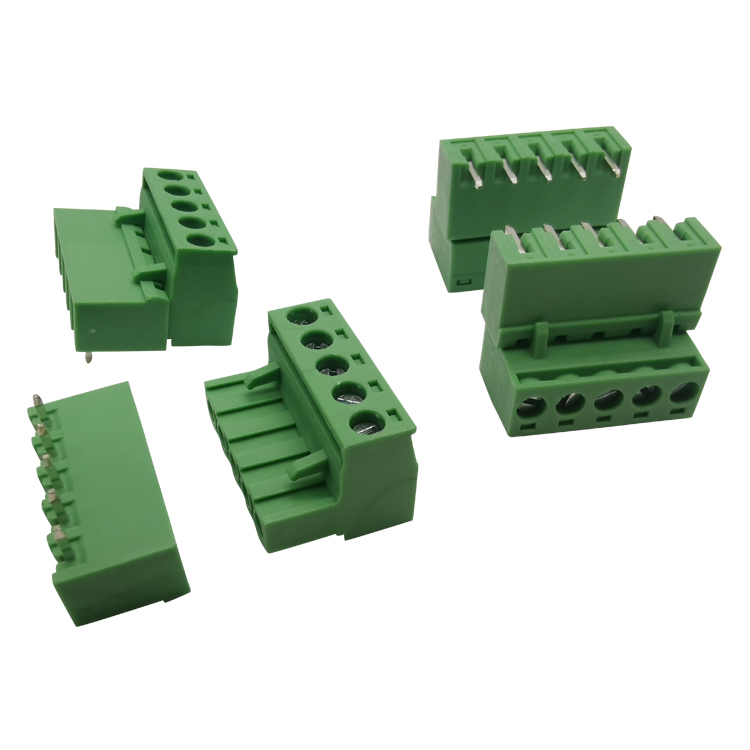
If your system needs regular check-ups, tests, or part swaps, pluggable PCB terminal blocks are the way to go. They have two parts: a socket that you solder onto the board and a plug where you stick the wires.


Easy Fixes: With these, anyone can quickly disconnect a bunch of wires without messing with each one.


Works Everywhere: You can find these blocks in all sorts of things, like air conditioning systems and factory robots.


2. Quick and Safe: Spring vs. Screwless Terminal Blocks


Want to speed up wiring at work? Check out these options.


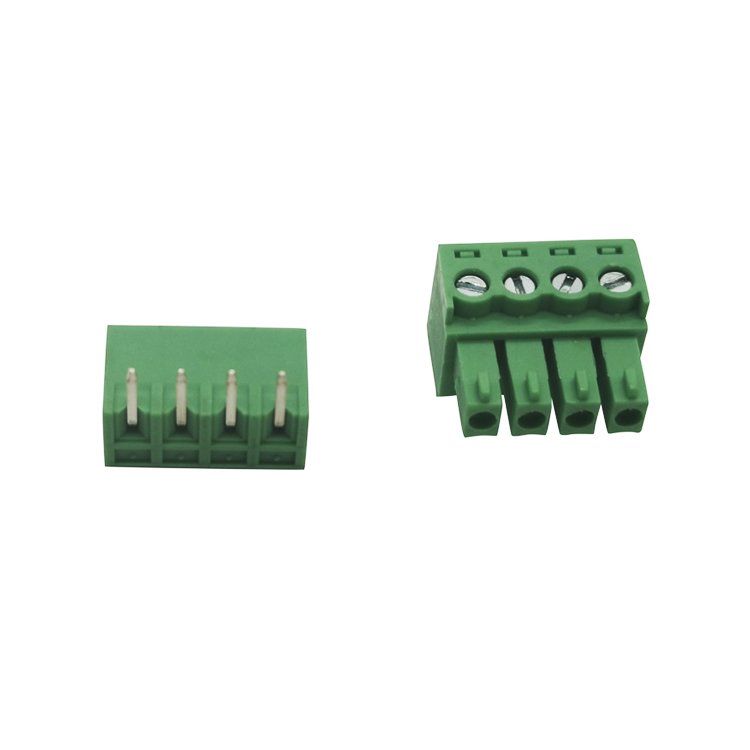
Screwless terminal blocks mean no screwdrivers needed! Just push a wire into the hole, and you're done.


Spring terminal blocks use a spring to hold the wire tight. They handle bumps well, so the wires stay put even when things get shaky, like in big machines.
 pluggable pcb terminal blocks supplier

3. Old-School but Good: PCB Mount Screw Terminal Blocks


Even with all the new stuff, the regular screw terminal block is still a solid pick. It clamps down super hard and works with many wire sizes. If you're making power supplies or heavy-duty gear that doesn't need to be plugged and unplugged a lot, these are a cheap and strong choice.


So, whether you're thinking about using spring terminal blocks that can handle a beating, or plug-in blocks for a system thats easy to take apart, getting the right parts is key to a good project. Always get your stuff from reliable people who make sure everything is top-notch.
 

阅读全文......

Pluggable PCB terminal block VS screw terminal block VS spring terminal block How to choose?

plug in terminal block


In industrial control, power systems, automation equipment, and electronic products, terminal blocks are one of the most common and critical connectors.Choosing the right type of terminal block (such as pluggable PCB terminals, screw terminals, or spring terminals) not only affects wiring efficiency but also directly impacts system stability and future maintenance costs.


I. What are Pluggable PCB Terminal Blocks?

Pluggable PCB terminal blocks consist of two parts: a plug and a base, allowing for quick insertion and removal without the need for rewiring.

This type of terminal block is widely used in modular equipment and industrial control systems.

Advantages include:

- Fast installation and maintenance

- Reliable connection and stable contact

- Suitable for PCB mounting

- Available in various pitch sizes, such as 3.5mm, 3.81mm, 5.0mm, 5.08mm, 7.5mm, and 7.62mm


II. Screw Terminal Blocks: Characteristics

Screw terminal blocks secure wires using screws, resulting in a robust structure. They are one of the most common types of terminals in industrial applications.


Main Features:

- Secure wire fixation with strong tensile strength

- Suitable for medium to high current applications

- Low cost and high versatility

- Available in various configurations, including PCB mount screw terminals, 2-pin, 3-pole, etc.


III. Spring/Screwless Terminal Blocks

Spring terminal blocks use spring clips to secure wires, eliminating the need for screws and improving assembly efficiency.


Key Advantages:

- Fast wiring, reducing labor time

- Excellent vibration resistance

- Suitable for high-density PCB designs


IV. PCB Mounting Terminals and Barrier Terminal Blocks

In applications requiring high insulation distance and safety, barrier terminal blocks are widely used,

suitable for power supplies, power control, and industrial equipment.


V. How to Choose the Right Terminal Block?

When selecting a terminal block, it is recommended to focus on:

1. Terminal spacing (Pitch)

2. Current and voltage ratings

3. Wiring method (screw/spring/pluggable)

4. PCB mounting method

5. Frequency of future maintenance


Conclusion:

Whether it's pluggable terminals, PCB-mounted terminals, or spring terminals, choosing the right terminal solution can significantly improve system stability.

As a professional terminal manufacturer and supplier, we can provide customized PCB terminal solutions for our customers.


阅读全文......

Screw-type, spring-type, and push-in terminal blocks Which type is best for you?

Industrial terminal block supplier

What are the differences between screw-type, spring-type, and plug-in terminal blocks? Which type is more suitable for industrial automation, power systems, or PCB connections? This article provides a detailed comparison of the advantages, disadvantages, application scenarios, and selection recommendations for these three types of terminal blocks, helping engineers and purchasing personnel make informed decisions.


Why does the choice of terminal blocks affect system stability?

In industrial control, power distribution, new energy equipment, and automation systems, terminal blocks are critical connecting components.  Different connection methods directly impact the safety, stability, and maintenance costs of the system.


I. Screw Terminal Block

Advantages: High current carrying capacity, lower cost, suitable for large cross-section wires.

Limitations: Requires regular maintenance, may loosen in high-vibration environments.

Applicable scenarios: Power distribution cabinets, industrial control boxes, high-current power equipment.


II. Spring Terminal Block

Advantages: Strong vibration resistance, maintenance-free, high installation efficiency.

Limitations: Relatively higher cost, not suitable for ultra-high current applications.

Applicable scenarios: Automation control systems, rail transit, robotic equipment.


III. Push-in / Pluggable Terminal Blocks

Advantages: Fast installation, convenient for modular design, suitable for PCB connections.

Limitations: Relatively lower current carrying capacity, structural strength is not as good as screw-type terminals.

Applicable scenarios: PCB control boards, mass-produced equipment, systems requiring frequent disassembly and assembly.


Summary of the three types of terminal blocks:

Q1: Screw-type emphasizes high current carrying capacity;

Q2: Spring-type emphasizes vibration resistance and maintenance-free operation;

Q3: Push-in type emphasizes efficiency and modularity.

When choosing, comprehensive consideration should be given to current and voltage levels, environmental conditions, installation efficiency, and maintenance requirements.


Frequently Asked Questions (FAQ)

Q1: Which type of terminal block is most vibration-resistant?

A: Spring-type terminal blocks are more stable in high-vibration environments.

Q2: Which type is recommended for high-current applications?

A: Screw-type terminal blocks are more suitable for high-current applications.

Q3: Which type of terminal block is used for PCB boards?

A: Plug-in or pluggable terminal blocks are more suitable for PCB applications.

阅读全文......