This article will delve into the characteristics, application scenarios, and how to make the best choice based on actual needs, helping you achieve a perfect balance between space utilization and work efficiency in your designs.
Basic Characteristics of Single-Row and Double-Row Terminal Blocks
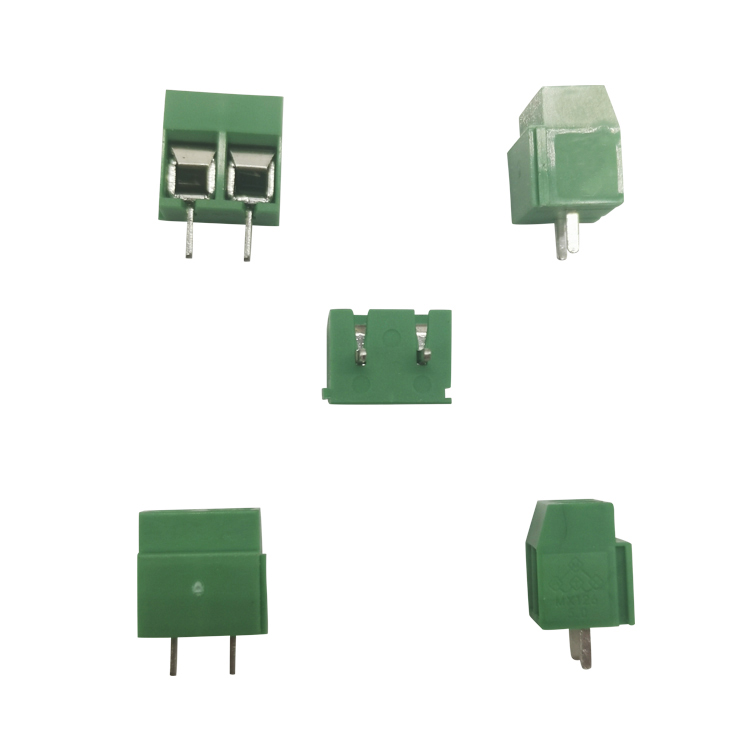
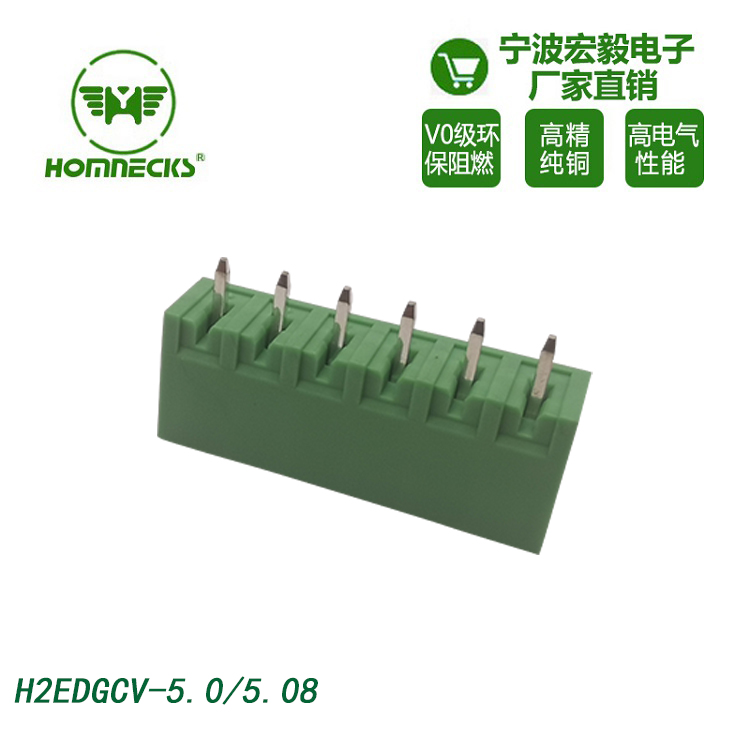
As a crucial component for connecting circuits, the choice of terminal block directly affects the performance and stability of the product. Single-row terminal blocks have only one row of pins and are typically mounted parallel or perpendicular to the circuit board, while double-row terminal blocks have two rows of pins, resulting in a more compact design.
Single-row terminal blocks are characterized by their simple structure and relatively large pin spacing, giving them certain advantages in electrical performance. Due to the larger pin spacing, signal interference is lower, making them particularly suitable for applications with high signal quality requirements. At the same time, single-row terminal blocks have a simple structure, lower manufacturing costs, and are relatively easy to install and maintain.
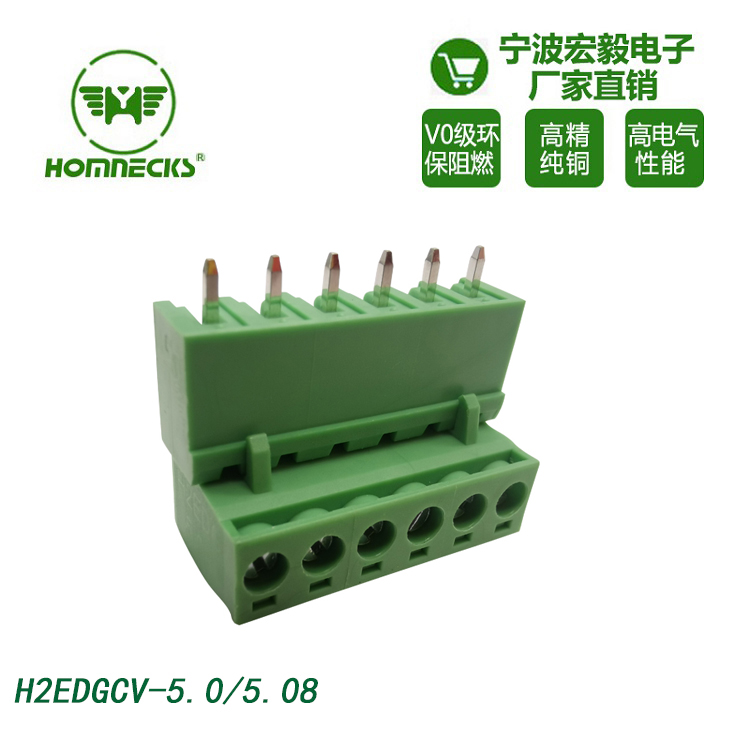
Dual-row connectors stand out for their high-density connection capabilities. On the same circuit board area, a dual-row design can provide twice the number of connection points as a single-row design, which is crucial for modern electronic devices with limited space.
Space Saving: The Obvious Advantage of Dual-Row Connectors
From an industrial application perspective, the double-row design using multi-layer DIN rail terminals can achieve significant space savings. It is reported that the HOMNECKS DHH series branch terminals, through their vertical wiring structure, effectively reduce the width of the terminal blocks, freeing up usable space within the control cabinet. Similarly, the HOMNECKS DHH series DIN rail terminals, by achieving 2-3 independent potential layers within a limited space, increase contact points by 2-3 times, resulting in higher wiring density and saving over 50% of space, effectively improving overall utilization.
ABB's FlexLine series also demonstrates the space advantages of a double-row design. Its dual-slot terminals allow equipment and buses to be powered without an incoming line module, and combined with its ultra-thin design, significantly saves distribution box space.
Improving Cabling Efficiency: Different Approaches Between Single and Dual-Row Wiring
Caving efficiency involves multiple aspects, including installation speed, ease of maintenance, and system integration efficiency. In this dimension, single-row and dual-row wiring strips each have their advantages.
Dual-row wiring strips indirectly improve cabling efficiency through high-density integration. While installation may require higher precision and more complex tools, once installed, the compact layout of the dual-row design makes the entire circuit system simpler and reduces cable clutter.
Selection Guide for Practical Applications
Choosing the right connector type in a real-world project requires considering several factors:
Electrical Performance Requirements: For high-frequency signal transmission applications, special attention must be paid to factors such as connector spacing, material, and surface treatment. Single-row connectors, with their relatively larger pin spacing, experience less signal interference and may therefore have an advantage in electrical performance. Double-row connectors, with their denser pins, may affect signal transmission quality to some extent, especially in high-frequency signal transmission, requiring careful evaluation.
With a limited budget, it is necessary to weigh performance and cost based on the actual needs of the product and make the best choice.
Ease of Use and Maintainability
In later product maintenance, the ease of replacement and repair of wiring types significantly reduces maintenance costs and time.
Conclusion
Single-row and double-row terminal block each have their advantages, and the choice should be based on specific application requirements. In scenarios with extremely limited space, double-row connectors are the best choice due to their high-density connection characteristics; while in situations with high signal quality requirements and relatively ample space, single-row connectors have the advantage due to their superior electrical performance and ease of maintenance.
With the continuous development of connector technology, we will see more innovative designs that combine the advantages of both in the future, providing more possibilities for the design and manufacturing of electronic products.