Latest Electronics News & Trends | Expert Insights & Innovations
terminal block electrical connector

Pluggable PCB terminal block VS screw terminal block VS spring terminal block How to choose?

plug in terminal block


In industrial control, power systems, automation equipment, and electronic products, terminal blocks are one of the most common and critical connectors.Choosing the right type of terminal block (such as pluggable PCB terminals, screw terminals, or spring terminals) not only affects wiring efficiency but also directly impacts system stability and future maintenance costs.


I. What are Pluggable PCB Terminal Blocks?

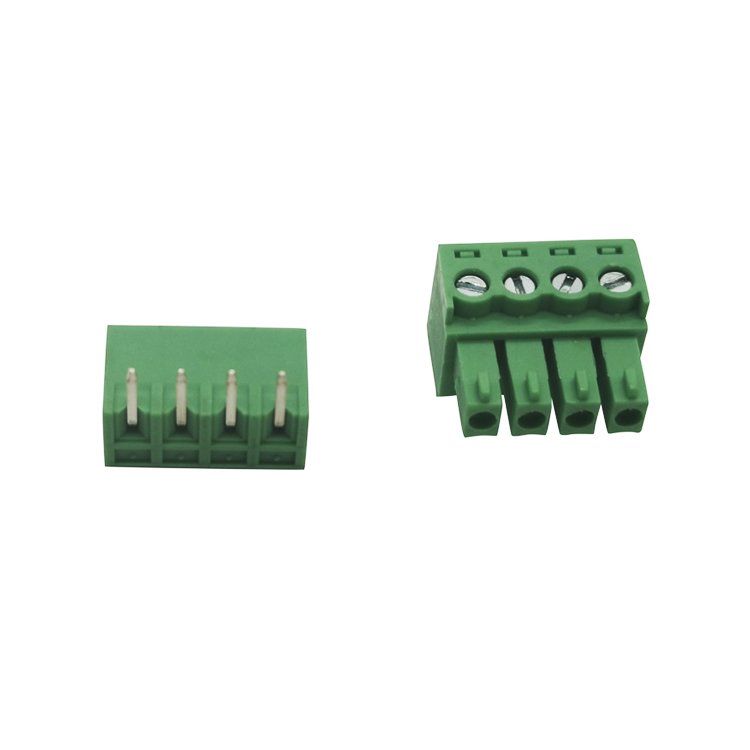
Pluggable PCB terminal blocks consist of two parts: a plug and a base, allowing for quick insertion and removal without the need for rewiring.

This type of terminal block is widely used in modular equipment and industrial control systems.

Advantages include:

- Fast installation and maintenance

- Reliable connection and stable contact

- Suitable for PCB mounting

- Available in various pitch sizes, such as 3.5mm, 3.81mm, 5.0mm, 5.08mm, 7.5mm, and 7.62mm


II. Screw Terminal Blocks: Characteristics

Screw terminal blocks secure wires using screws, resulting in a robust structure. They are one of the most common types of terminals in industrial applications.


Main Features:

- Secure wire fixation with strong tensile strength

- Suitable for medium to high current applications

- Low cost and high versatility

- Available in various configurations, including PCB mount screw terminals, 2-pin, 3-pole, etc.


III. Spring/Screwless Terminal Blocks

Spring terminal blocks use spring clips to secure wires, eliminating the need for screws and improving assembly efficiency.


Key Advantages:

- Fast wiring, reducing labor time

- Excellent vibration resistance

- Suitable for high-density PCB designs


IV. PCB Mounting Terminals and Barrier Terminal Blocks

In applications requiring high insulation distance and safety, barrier terminal blocks are widely used,

suitable for power supplies, power control, and industrial equipment.


V. How to Choose the Right Terminal Block?

When selecting a terminal block, it is recommended to focus on:

1. Terminal spacing (Pitch)

2. Current and voltage ratings

3. Wiring method (screw/spring/pluggable)

4. PCB mounting method

5. Frequency of future maintenance


Conclusion:

Whether it's pluggable terminals, PCB-mounted terminals, or spring terminals, choosing the right terminal solution can significantly improve system stability.

As a professional terminal manufacturer and supplier, we can provide customized PCB terminal solutions for our customers.
 

阅读全文......

How to Solve Mismatch Issues Between PCB Terminal Blocks and Pins

pcb terminal blocks

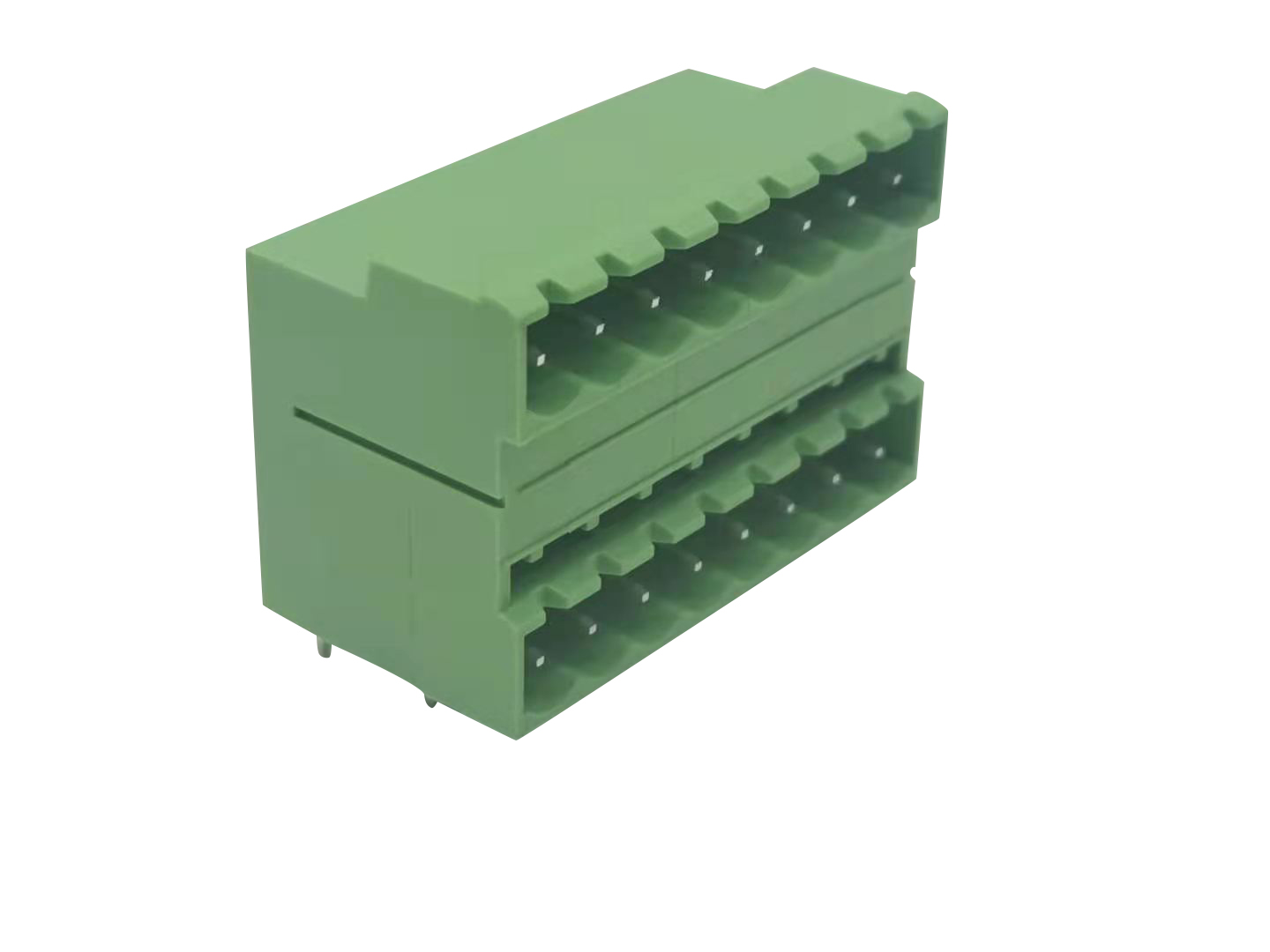
When working with terminal block connector PCB components,one common challenge is ensuring that the plug and pin align perfectly.A mismatch can lead to poor electrical connections,increased resistance,and even system failures.Whether you're dealing with terminal block electrical connector systems or PCB pin terminal setups,addressing this issue is crucial for maintaining optimal performance.


The first step in resolving a mismatch is to verify the specifications of your PCB terminal connectors.Often,the problem arises from using incompatible components.Check the datasheets for both the plug and pin to ensure they share the same dimensions,pitch,and current ratings.If the PCB terminal blocks you’re using don’t match the pins,consider switching to a compatible model or consulting the manufacturer for guidance.


Another effective solution is to inspect the physical condition of the screw terminal block connector and its pins.Over time,wear and tear can cause deformation or corrosion,leading to alignment issues.Clean the contacts thoroughly and check for any signs of damage.If the pins or connectors are bent or worn outreplacing them with high-quality terminal block connector PCB components can restore proper functionality.


For those designing custom PCB layouts,double-check,the pin spacing and alignment during the design phase.A small error,in the layout of PCB terminal connectors can lead to a significant mismatch.Use CAD tools to simulate the connection and make sure that the PCB pin terminal aligns precisely with the plug.This proactive approach can save both time and resources during assembly.


If the mismatch persists,consider using adapters or intermediary connectors.Many terminal block electrical connector systems offer adapters that can bridge the gap between mismatched components.These adapters are particularly useful when integrating older PCB terminal blocks with newer systems or when working with non-standard pin configurations.


Finally,always test the connection after resolving the mismatch.Use a multimeter to verify the electrical continuity and ensure there’s no excessive resistance.Whether you’re working with screw terminal block connector systems or other types of PCB terminal connectors,thorough testing guarantees a reliable and long-lasting connection.


By following these steps,you canin fact,effectively address mismatch issues among terminal block connector PCB components and pins.This ensures that your electrical systems operate smoothly and with high efficiency.

阅读全文......