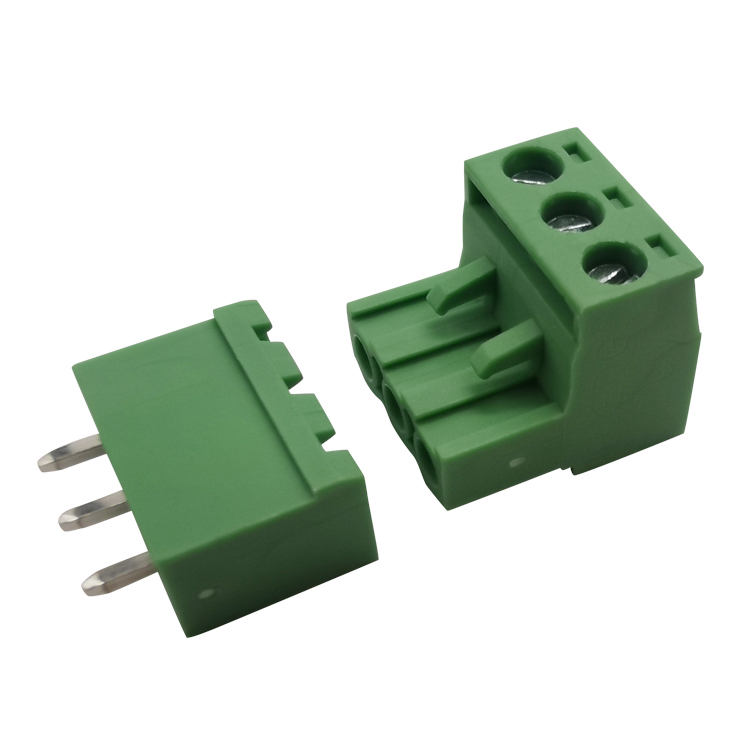
Using Proper Terminal Block is a crucial step in improving electrical performance, involving aspects such as connection reliability, signal integrity, and power transmission efficiency. The following is a systematic guide to selection and application:
I. Clearly Define Core Electrical Performance Indicators
Contact Resistance: Low and stable contact resistance reduces heat generation and energy loss.
Current Carrying Capacity: Terminals must withstand the rated current (considering instantaneous peak values).
Voltage Drop and Temperature Rise: Excellent design minimizes voltage loss and heat accumulation.
Insulation and Dielectric Strength: Prevents leakage and breakdown (especially in high-voltage environments).
Signal Integrity: High-frequency signals require impedance matching and shielding to prevent interference.
Mechanical Stability: Resistance to vibration and loosening ensures reliable contact over the long term.
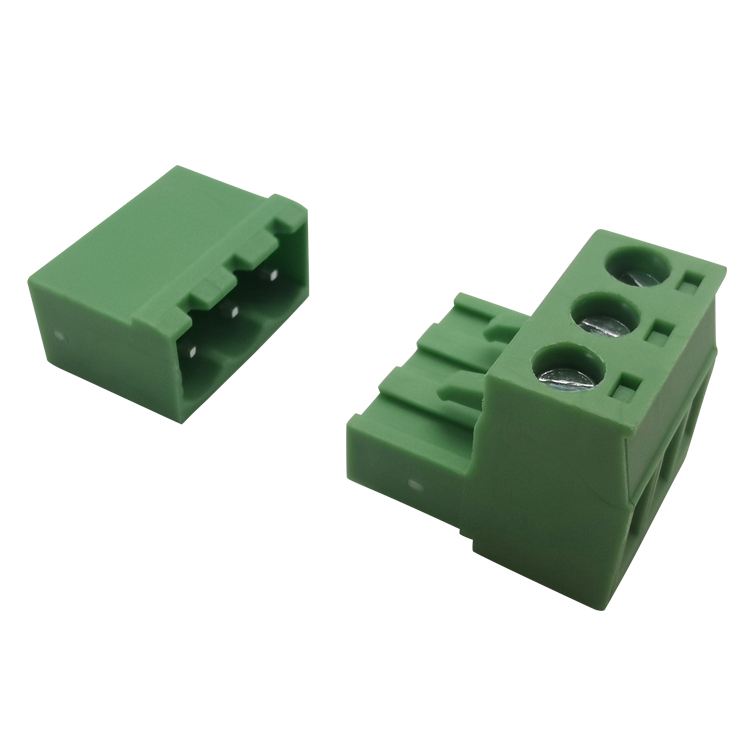
II. Key Selection Factors for Terminals
1. Material Selection
Conductor Material:
High conductivity: Oxygen-free copper and copper alloys (such as brass and phosphor bronze) are the mainstream choices.
High current/high temperature environments: Consider silver plating or aluminum material (for lightweight applications).
Insulation Material:
General purpose: PVC, nylon (low cost).
High temperature/flame retardant: PTFE (Teflon), PEI, PPS.
Plating Treatment:
Anti-oxidation/improved conductivity: Silver plating (optimal conductivity), gold plating (corrosion resistance, suitable for high frequencies), tin plating (low cost, but beware of "tin whiskers").
Environmental adaptability: Salt spray environments require thick plating or gold/nickel composite plating.
2. Structural Design
Crimping vs. Soldering:
Crimping terminals: Requires specialized tools, offers high consistency, good vibration resistance, and is suitable for mass-produced wire harnesses.
Soldering terminals: Manual operation is prone to cold solder joints; wave soldering/reflow soldering is recommended.
Contact Surface Design:
Wire spring structure (multi-contact): Redundant contact, excellent vibration resistance.
Double helical spring structure: High retention force, used in high-vibration environments (such as aerospace).
Locking Mechanism:
Snap-fit and threaded locking (e.g., MIL-DTL-38999 military-grade connectors) prevent loosening.
3. Matching with the Cable
Cross-sectional area matching: The terminal specifications must strictly correspond to the wire gauge (e.g., AWG standard).
Crimping quality: Use professional crimping tools to avoid over-crimping (metal fracture) or under-crimping (insufficient tensile strength).
Insulation support: Terminals with insulation sleeves can prevent stress fractures.