If you're an engineer, buyer, or seller, it's important to know about the different kinds of terminal blocks, Pitch, and where they're used.
I. Regular PCB Terminal Types
1. PCB Screw Terminals
These are strong and conduct electricity well, so they're good when you need a really reliable connection.
You'll often see them as 2-pin or 3-pole setups.
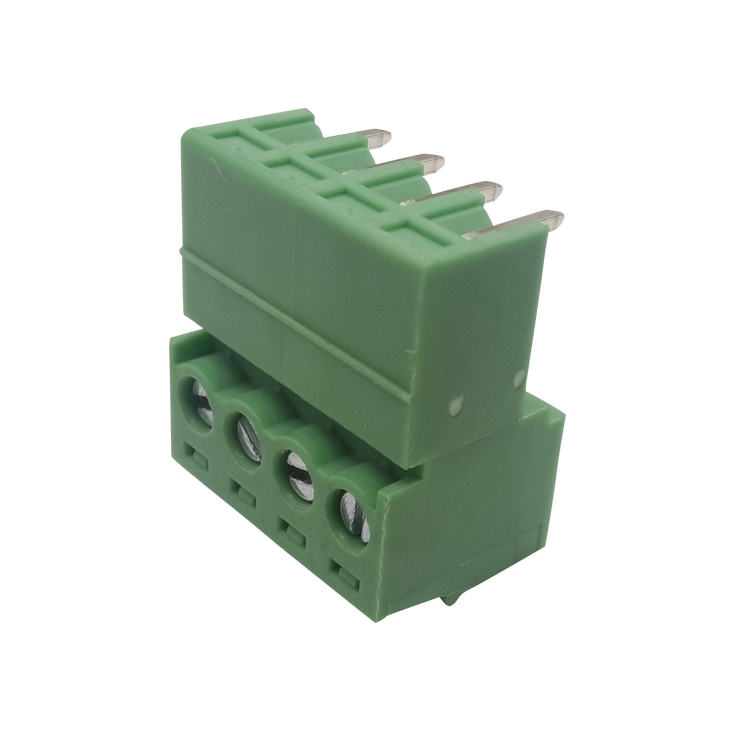
2. Pluggable PCB Terminals
These are made to be plugged in and out quickly, which makes fixing or switching things out easier.
They're common in industrial control boxes and automation systems.
3. Spring Terminals / Screwless Terminals
These are fast to install and don't shake loose easily, which is good for PCBs with a lot of wires packed close together.
II. What You Need to Know About PCB Terminal Spacing (Pitch)
The spacing between pins depends on how much current and voltage you need:
- 3.5mm / 3.81mm: For signals and when you don't need much current
- 5.0mm / 5.08mm: For industrial controls and power units
- 7.5mm / 7.62mm: For high current and voltage
III. Where Barrier Terminal Blocks Are Used
Barrier terminal blocks have more space between the connections and are safer.
They're usually found in power equipment, industrial control systems, and PCBs that handle a lot of power.
IV. Why Go with a Terminal Maker?
Buying straight from a terminal maker, factory, or provider means you get:
- Products that are always good quality
- The option to get things made the way you want
- Better prices
- Delivery you can count on, which is good for big orders
In conclusion:
From screw terminals to pluggable and insulated ones, picking the right terminal and spacing is key for a safe and well-performing system.
As a terminal factory, we give customers everywhere good terminal solutions.