Latest Electronics News & Trends | Expert Insights & Innovations

Magnetic Track Rail Lighting System Offers Smart Solutions for Common Lighting Issues

Magnetic Track Rail Lighting System

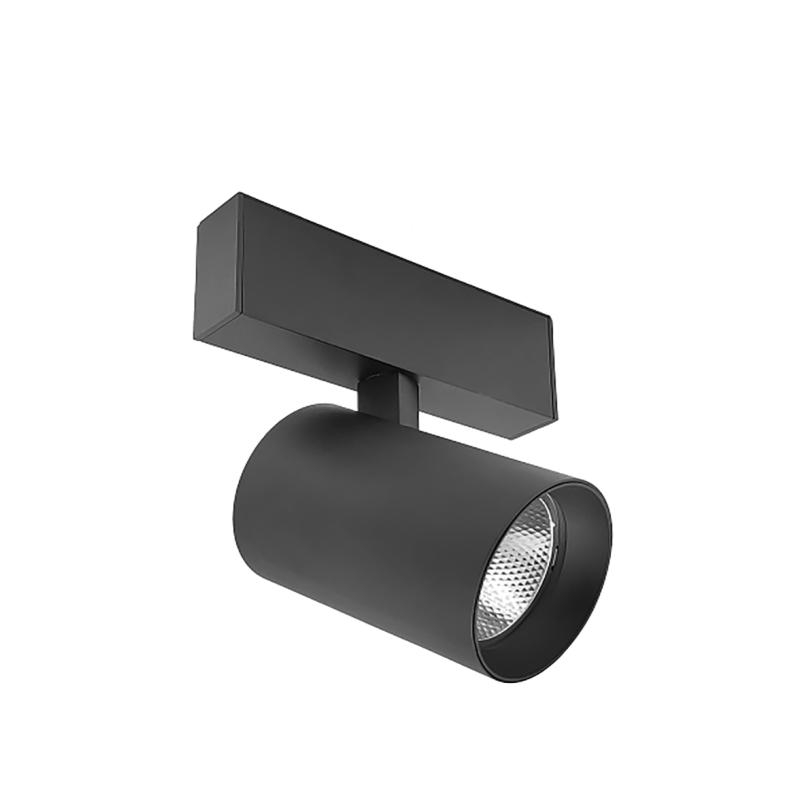
The magnetic track rail lighting system offers a smart solution to frequent lighting challenges in modern spaces. Many environments face issues like inadequate lighting, glare, high energy consumption, and uneven coverage. Vando Lighting’s 24V recessed magnetic track rail lighting system introduces unmatched flexibility and effortless installation with a sleek, flush finish. Users can easily adapt the magnetic track lighting to suit residential, commercial, or gallery settings. Industry trends highlight the demand for flexible, energy-efficient, and minimalist magnetic lighting solutions.

Trend Description
Flexible and Customizable Adaptable lighting for any setting
Energy Efficiency LED technology supports eco-friendly practices
Aesthetic Preferences Minimalist design enhances modern interiors


What Is a Magnetic Track Rail Lighting System?

A magnetic track rail lighting system represents a modern evolution in track lighting systems. Unlike traditional options, this system uses magnets to attach light fixtures to the track, allowing for effortless repositioning and customization. The design supports both recessed and surface-mounted installations, making it suitable for a wide range of environments. Users can select a recessed configuration for a flush, minimalist appearance or opt for surface mounting when architectural constraints exist.


The following table highlights the differences between magnetic track rail lighting and traditional track lighting systems:

Feature

Magnetic Track Rail Lighting

Traditional Track Lighting

Fixture Attachment

Utilizes magnets for easy repositioning

Relies on mechanical mounts requiring tools

Power Supply

Operates on low-voltage DC power

Uses line-voltage AC power

Safety and Efficiency

Safer and more energy-efficient

Less safe and less energy-efficient

Design

Slim and modern design

Often bulkier and less versatile

Flexibility

Easy to add, remove, or move lights

More difficult to adjust fixtures


Vando Lighting’s 24V recessed magnetic track rail lighting system stands out with its sleek, flush design. The system integrates seamlessly into ceilings or walls, providing a contemporary look that enhances any space.


How It Works

The magnetic track light system operates through a combination of innovative components and smart engineering. The main elements include:

  1. Track: Mounted on the ceiling or wall, the track contains a long iron sheet that allows spotlights to attach magnetically.

  2. Light Modules: These magnetic heads connect to copper rails within the track, drawing power for illumination.

  3. Power Supply: This unit converts standard AC power to low-voltage DC, ensuring both safety and energy efficiency.

The magnetic mechanism enables users to add, remove, or reposition light modules along the track without tools. This flexibility supports tailored lighting designs for residential, commercial, and gallery settings. Most systems, including Vando Lighting’s, operate at 24V, which enhances safety and reduces energy consumption. The system also supports external dimming interfaces such as Triac, 0/1-10V, and Dali, offering precise control over brightness and ambiance.


Note: The magnetic track rail lighting system allows for quick adjustments and easy customization, making it ideal for spaces that require adaptable lighting solutions.

Key Features of Magnetic Track Light Systems

Magnetic Track Rail Lighting

Recessed Design

Magnetic track light systems offer a recessed design that blends seamlessly into ceilings and walls. This approach creates a clean, modern look that suits both residential and commercial interiors. Installers can use the magnetic track to achieve a flush finish, eliminating the visual clutter of bulky lighting fixtures. The system supports customizable configurations, including straight runs, corners, and three-dimensional effects. Designers can use the magnetic track to highlight architectural features or create dramatic lighting patterns. The flexibility of magnetic track lighting allows users to reposition lights easily, adapting the layout to changing needs or the latest trends in magnetic track lighting.


Energy Efficiency

Energy efficiency stands as a core benefit of magnetic track lighting. The 24V LED technology used in these systems delivers bright illumination while reducing power consumption. Compared to conventional metal halide lights, LED magnetic track lighting uses only 30%-40% of the energy for the same brightness. This significant reduction in energy use helps lower utility costs and supports eco-friendly practices. Many manufacturers also focus on sustainable product design by using lead-free solder paste and plastic-free packaging.


  • Lead-free solder paste

  • Plastic-free packaging

  • Commitment to sustainable product design

Dimming Options

Magnetic track lighting systems provide advanced dimming options for precise control over the lighting environment. Users can select from several dimming interfaces, including Triac, 0/1-10V, and DALI. These options allow for smooth adjustments in light intensity, enhancing visibility or creating a more intimate atmosphere as needed. Smart dimming features, such as WIFI, Bluetooth mesh, and Zigbee, enable remote control and integration with smart home systems.

Dimming Method

Description

0-10V Dimming

Requires additional wiring, can increase installation costs.

DALI Dimming

Compatible with advanced control systems.

Smart Dimming

Includes options like WIFI, Bluetooth, and Zigbee for remote control.

Manufacturers often back their magnetic track lighting with warranties ranging from three to five years, ensuring long-term reliability.


Manufacturer

Warranty Period

Armor Lighting

3 years, 5 years

Awell

3 years

Solving Lighting Issues with Magnetic Track System

Track Rail Lighting System Solutions

Flexibility and Adaptability

Lighting challenges often arise from poor coverage and rigid layouts. The magnetic track rail lighting system addresses these issues by offering flexible lighting solutions that adapt to any space. Users can reposition light modules along the track to target specific areas, which proves essential in rooms with unique layouts or changing needs. The system allows for the integration of various light modules, enabling tailored lighting arrangements for both residential and commercial environments.


Magnetic track lighting provides the ability to:

    • Adjust the positioning of light sources to eliminate dark spots.

    • Combine different types of fixtures for task, accent, or ambient lighting.

    • Modify the lighting layout after moving furniture or changing the room’s function.

This adaptability ensures that every corner receives optimal illumination. The magnetic track system supports dynamic lighting designs, making it a preferred choice for those who value versatility and the latest trends in magnetic track lighting.

Easy Installation

Traditional track lighting systems often require complex installation processes, which can deter users from upgrading their lighting. The magnetic track light system simplifies installation with its snap-fit magnetic design. Installers can mount the track on ceilings or walls, then attach light modules magnetically without the need for tools or technical expertise.

The process involves three straightforward steps:

  1. Secure the track to the desired surface.

  2. Connect the power supply to the track.

  3. Snap magnetic light modules into place.

This approach reduces installation time and minimizes disruption to the space. Users can easily modify the lighting arrangement post-installation, which is especially beneficial for spaces that undergo frequent changes. The magnetic track lighting system eliminates the hassle of rewiring or using specialized equipment, making it accessible for both professionals and DIY enthusiasts.


Design Versatility

Design versatility stands as a hallmark of magnetic track light systems. The system’s modular nature allows users to create customized lighting patterns that enhance architectural features or highlight artwork. The magnetic track supports straight runs, corners, and even three-dimensional configurations, offering limitless possibilities for creative expression.


Magnetic track lighting excels in spaces with challenging layouts, such as sloped or vaulted ceilings. Users can reposition fixtures along the track or rotate them to achieve the best lighting angles. This flexibility ensures optimal illumination regardless of the ceiling’s shape or the room’s purpose.

Aspect Magnetic Track Lighting Traditional Track Lighting
Adjustment Effort Move or slide fixtures fast Takes time and effort to adjust
Post-Installation Easy to reposition fixtures without tools Requires significant effort to adjust


Magnetic track lighting systems offer significant advantages in terms of adjustability. Users can easily reposition and adjust fixtures without tools, making the system ideal for dynamic displays and evolving spaces. In contrast, traditional fixed lighting systems remain rigid and require more effort to modify.

Note: The magnetic track system empowers users to adapt their lighting as needs change, ensuring both functionality and aesthetic appeal.


The magnetic track rail lighting system delivers a seamless blend of flexibility, easy installation, and design versatility. These features solve common lighting issues and set a new standard for modern track lighting systems.


Applications of Magnetic Track Light System

Residential Spaces

Magnetic track light systems have transformed residential applications by offering adaptable lighting solutions for every room. Homeowners can easily reposition magnetic lighting fixtures to suit changing needs or interior layouts. The magnetic track system allows for seamless integration into ceilings and walls, creating a modern and uncluttered appearance. Users often select these systems for their ability to provide both ambient and task lighting, enhancing comfort and functionality in daily life.


The following table demonstrates common installations of magnetic track lighting in residential spaces:

Room Example of Installation
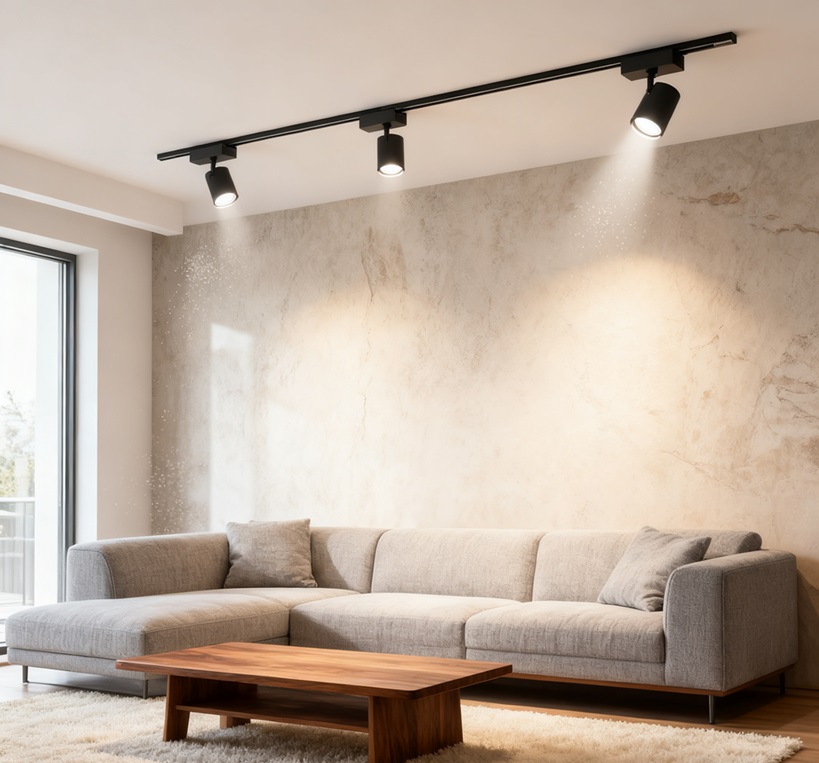
Living Room Magnetic Track Lighting in Living Room
Dining Room Magnetic Track Lighting in Dining Room
Kitchen Magnetic Track Lighting in Kitchen
Bedroom Magnetic Track Lighting in Bedroom
Corridor Magnetic Track Lighting in the Corridor
Study Room Magnetic Track Lighting in Study Room
 

Homeowners appreciate the adaptability of magnetic track light systems. They can move fixtures without tools, adjust lighting for different activities, and enjoy energy-efficient illumination. The modern design of the magnetic track lighting system blends with various architectural styles, making it a popular choice for residential applications.


Commercial and Gallery Use

Commercial applications of magnetic track light systems extend to offices, retail stores, and galleries. Business owners value the flexibility of these systems for creating dynamic layouts and enhancing visual impact. In retail environments, magnetic lighting highlights luxury goods and creates a focused ambiance that standard lighting cannot achieve. Offices benefit from customizable lighting arrangements that improve productivity and comfort.


Museums and galleries rely on magnetic track lighting to showcase artwork and exhibits. The ability to adjust magnetic lighting fixtures ensures that each piece receives optimal illumination. The following table outlines how magnetic track lighting enhances commercial and gallery environments:

Environment Benefit of Magnetic Track Lighting
Gallery Adjustable lighting highlights artwork and exhibits
Museum Optimal illumination for display items
Retail Store Focused lighting enhances product presentation
 

Users highlight the energy efficiency of LED magnetic track lights, which help reduce operational costs. The versatility of the magnetic track system allows for quick changes in lighting design, supporting evolving displays and business needs. The sleek appearance of the track lighting system elevates the overall aesthetic, making it a preferred solution for both commercial and gallery settings.


Note: Magnetic track light systems deliver customizable lighting arrangements and aesthetic enhancement across a wide range of applications, from homes to galleries.


Installation and Selection Tips

Choosing the Right System

Selecting the ideal magnetic track rail lighting system depends on several factors. Room size, ceiling height, and lighting goals play a major role in determining the best solution. For higher ceilings, longer fixtures provide better illumination, while shorter fixtures suit lower ceilings. The magnetic track system offers flexibility for general, task, or accent lighting, making it suitable for diverse applications.


Tip: Always match the style and design of the fixtures to the existing décor for a cohesive look.

The following table outlines key considerations for choosing a magnetic lighting system:

Factor Description
Ceiling Height Longer fixtures for high ceilings, shorter for low ceilings.
Lighting Needs and Goals General, task, or accent lighting based on room activities.
Style and Design Fixtures should enhance the space’s aesthetic.
Energy Efficiency LED lights reduce costs and environmental impact.
Compatibility Ensure the system fits existing electrical setups.
Track Types Different tracks affect power supply and performance.
Spacing Fixtures spaced about 5 inches apart for even coverage.
Beam Angles A 45-degree angle provides balanced lighting.
Color Temperature Choose cooler or warmer shades for the desired ambiance.


Technical specifications also matter. The size of the magnetic track, installation options, power supply, and cabling methods influence both performance and appearance. Surface-mounted and recessed tracks offer different aesthetics and space requirements. Most systems use 24V or 48V power, requiring a transformer for standard 220V sources.


Installation Guide

Proper installation ensures optimal performance and longevity for magnetic lighting systems. The process for recessed magnetic track lighting involves several steps:

  1. Mark the cut line with precision.

  2. Cut the drywall at the marked location.

  3. Run the electrical cable through the opening.

  4. Install the recessed housing for the track.

  5. Connect power and install the electrical track.

  6. Finish the trimless system for a seamless look.

  7. Complete final assembly and test the lighting.

Note: Avoid common mistakes such as ignoring main light design, incorrect distance from the wall, overcrowding track lights, or not hiring experienced help.

Routine maintenance keeps the magnetic track system functioning efficiently. Regular inspections help identify issues early. Cleaning prevents dust buildup that can affect lighting performance. Checking for secure connections and loose wiring maintains safety and reliability.


Magnetic track lighting offers easy installation and adaptability for various applications. Users can reposition fixtures along the track to suit changing needs, making it a versatile choice for homes, offices, and galleries.


The magnetic track rail lighting system solves common lighting challenges through flexible adjustment, modular design, and safe low-voltage operation. Users benefit from easy installation, versatile magnetic track configurations, and energy-efficient lighting for diverse applications. Compared to traditional options, magnetic track lighting offers hidden wiring, lower costs, and smart integration.

For more on Vando Lighting’s 24V recessed magnetic track rail lighting system, explore the resources below:

 
Resource Description
Magnetic Track lighting system Iconic Vando system for commercial and residential applications
24V Vando Curved LED Track Lighting Fixtures High-efficiency, magnetic mounting, modern design
Contact Us 24/7 support via email or phone
阅读全文......

Stabilizing Renewable Energy Projects with SVG and AHF – An Engineer's Perspective

Stabilizing Renewable Energy Projects with SVG and AHF – An Engineer’s Perspective

In the rapidly growing renewable energy sector, ensuring grid stability is one of the biggest challenges. Solar and wind power, while sustainable, are inherently variable. Voltage fluctuations and harmonic distortions are common issues that can compromise both safety and efficiency of power transmission. This is where advanced solutions like Static Var Generators (SVG) and Active Harmonic Filters (AHF) come into play.

Imagine a renewable energy station in rural India. On a bright afternoon, Engineer Li monitors the control room screen and notices voltage spikes caused by fluctuating wind speed and irregular solar output. Such spikes, if left unchecked, could lead to line trips or equipment failures.

With a quick action, he activates the SVG system. Instantly, the device absorbs voltage fluctuations and stabilizes the grid. The waveform on the monitoring screen changes from erratic spikes to smooth curves, and the warning light turns green. This is the first step toward reliability.

But the challenge doesn’t end there. Renewable projects often face harmonic distortions generated by inverters and other electronic equipment. Left untreated, harmonics can reduce efficiency, overheat transformers, and shorten equipment lifespan. Engineer Li presses the AHF ON button. Immediately, the Total Harmonic Distortion (THD) levels drop, and the Power Factor (PF) improves. The grid becomes not only stable but also more efficient.

By combining SVG and AHF, renewable projects can achieve a balanced, optimized performance. Voltage stability ensures that transmission lines remain safe, while harmonic filtering protects equipment and extends its lifespan. For project owners and EPCs, this means fewer interruptions, lower maintenance costs, and better overall ROI.

In today’s industrial landscape, reliable grid integration is not optional—it’s essential. SVG and AHF together make renewable energy projects future-ready, ensuring that clean energy is also stable, efficient, and sustainable.

NEW ENERGY


阅读全文......

CIQTEK & SciMed Energize EFEPR Summer School 2025 in Manchester

The 10th EFEPR Summer School, held at the University of Manchester, welcomed over 130 young researchers and established experts from across Europe for an inspiring week of lectures, tutorials, and hands-on sessions. CIQTEK, together with our UK partner SciMed, was proud to be part of this vibrant event dedicated to advancing Electron Paramagnetic Resonance (EPR) science.


CIQTEK & SciMed Energize EFEPR Summer School 2025 in Manchester


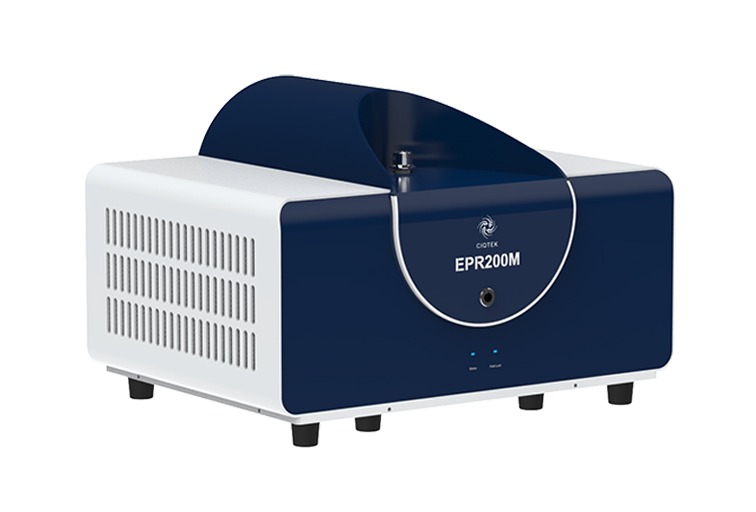
At our booth, we presented the CIQTEK EPR200M benchtop spectrometer, a compact yet powerful platform designed for teaching labs, research groups, and emerging facilities. Many participants were excited to see how the instrument combines high performance with accessibility, sparking conversations about applications ranging from free radical studies to transition metal analysis.

But science wasn’t the only highlight. To bring extra warmth to the event, we introduced our CIQTEK panda mascot—a plush companion that quickly became a favorite among attendees. The panda added a touch of fun, helping students relax and encouraging more open and engaging discussions. It was a great reminder that science can be both rigorous and joyful.


CIQTEK & SciMed Energize EFEPR Summer School 2025 in Manchester


Throughout the week, our team enjoyed deep discussions on topics such as variable temperature experiments, modernization of legacy EPR systems, and the role of benchtop instruments in expanding access to EPR education. These exchanges reinforced our commitment to supporting both established laboratories and the next generation of researchers.

A special thank you goes to our distributor SciMed for their strong support and collaboration throughout the event. Their expertise and enthusiasm helped create an inviting space where participants could explore new ideas and connect with the latest in EPR instrumentation.


CIQTEK & SciMed Energize EFEPR Summer School 2025 in Manchester


We leave Manchester energized by the passion of the EFEPR community and look forward to continuing our contributions to global EPR education and research.

阅读全文......

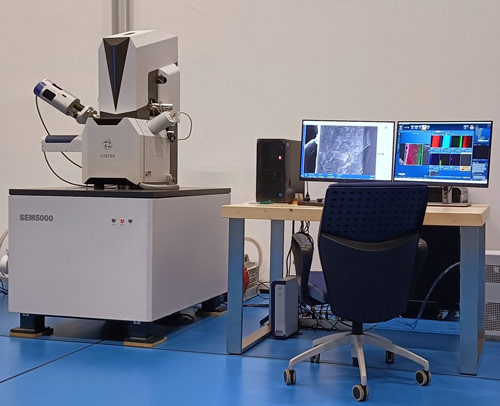
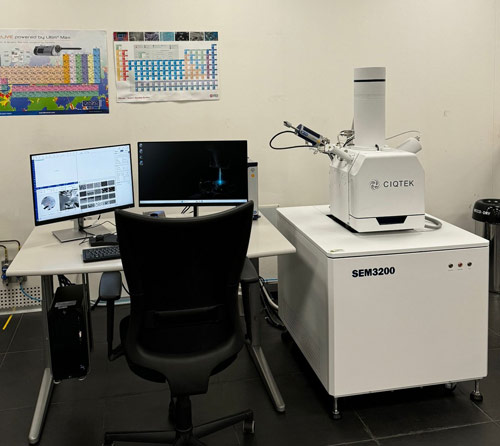
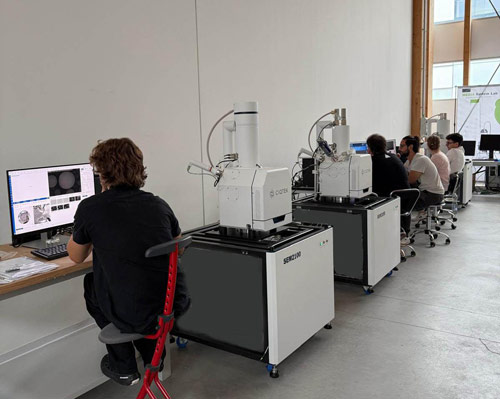
CIQTEK Highlights Advances in SEM Technology at MC2025, Germany

From August 24–29, 2025, CIQTEK participated in the Microscopy Conference 2025 (MC2025) held in Karlsruhe, Germany, one of Europe’s largest and most influential events in the field of electron microscopy. The conference attracted leading scientists, instrument developers, and industrial users, creating a dynamic platform for academic exchange and technological collaboration.


As part of the program, CIQTEK delivered an Exhibitor Presentation titled:
“Unlocking the Power of High-Speed Scanning Electron Microscopy — without Compromising Superb Imaging Resolution at Low kV.”

The presentation highlighted CIQTEK’s approach to enabling high-throughput SEM imaging while maintaining exceptional resolution at low accelerating voltages—a balance critical for applications in materials science, semiconductor failure analysis, and life sciences research. The talk generated considerable interest among attendees and sparked lively discussions about how advanced SEM systems can accelerate both fundamental research and industrial applications.


CIQTEK Highlights Advances in SEM Technology at MC2025


Beyond the presentation, the CIQTEK team actively engaged with researchers and industry professionals, sharing insights into the company’s broader electron microscopy portfolio and exploring opportunities for collaboration. These exchanges not only deepened awareness of CIQTEK’s technological strengths but also strengthened connections within the global microscopy community.


CIQTEK’s successful participation in MC2025 reflects its ongoing mission to push the boundaries of EM imaging technology and to provide researchers worldwide with powerful, accessible, and innovative solutions. Looking ahead, the company will continue to expand international partnerships and contribute to the advancement of microscopy-driven discovery.

阅读全文......

Cost-Effective EPR Modernization How to Upgrade Without Breaking the Budget(1)

EPR spectrometers are crucial tools for many research labs, but upgrading them can feel like a big financial burden. The good news is that modernizing your EPR system doesn’t have to drain your budget.

With CIQTEK EPR Spectrometer Modernization & Upgrade services, you can enhance your system’s performance while keeping costs low. Whether you're dealing with outdated temperature control, slow data processing, or low-resolution probes, there are ways to upgrade your system cost-effectively.


1. Identify the Core Issues Holding Your System Back

Before jumping into an upgrade, take some time to assess your system’s performance. What’s causing delays or poor data quality? Some of the most common pain points in older EPR systems include:

  • Inconsistent temperature control: If your VT system isn’t performing as expected, it can throw off your experiments.

  • Slow data processing: Outdated hardware or software can slow down your workflow, affecting the overall efficiency of your research.

  • Low-resolution probes: If your probes are outdated, you could be losing valuable data precision.

By pinpointing these weaknesses, you can prioritize upgrades that will bring the most immediate benefits to your research.


2. Modular Upgrades: The Key to Staying Within Budget

Instead of overhauling your entire system, modular upgrades allow you to focus on specific components that need improvement. This way, you’re not paying for an entire new system, just the parts that will truly make a difference. Here are some areas where you can make upgrades that will improve your system's performance:

  • VT System: If your current temperature control system is outdated or malfunctioning, upgrading it can make a world of difference. CIQTEK’s Liquid Nitrogen VT System is a cost-effective way to enhance your temperature control, offering more stability and precision for sensitive experiments. Plus, it’s compatible with many legacy EPR systems, so you don’t need to replace your entire setup.

  • Data Acquisition System: An old data acquisition system can be a major bottleneck. Upgrading to newer hardware and software can significantly speed up your data processing, helping you get results faster and more efficiently.

  • Probes and Sensors: If your probes aren’t cutting it, upgrading to higher-resolution models will improve the quality and sensitivity of your measurements. These upgrades are relatively low-cost but can provide a noticeable improvement in your results.

By focusing on the key areas that need attention, you can give your system a major performance boost without spending a fortune.


3. Maximize Compatibility: Keep What Works

One of the most cost-effective ways to upgrade is to retain the core components of your system, like the magnet and electronics, and only replace the parts that are no longer functioning well. Many modern upgrades are designed to work seamlessly with older systems, allowing you to extend the life of your existing equipment while still achieving improved performance. For instance:

  • Software Upgrades: CIQTEK EPR control software can integrate with older hardware, giving you the latest features and improved data processing capabilities without replacing your entire system.

  • Hardware Compatibility: Whether it’s the VT system, probes, or other components, CIQTEK’s modular upgrades are designed to work with a wide range of legacy systems, so you don’t need to worry about replacing everything at once.

By focusing on compatible components, you can save money while still getting the performance boost you need.


4. Flexible Budgeting for EPR Upgrades

Upgrading your system doesn’t have to be a huge upfront expense. Here are a few strategies to help manage the cost:

  • Phased Upgrades: You don’t need to do everything at once. Start with the components that will give you the biggest improvement, such as upgrading the VT system or adding a new probe. Gradually upgrading one component at a time can help you spread out the costs.

  • Financing Options: Many suppliers, including CIQTEK, offer flexible financing plans that make it easier to budget for upgrades over time. This can help you get the upgrades you need without straining your research funds.

  • Custom Solutions: Every lab has different needs and priorities, and CIQTEK offers tailored solutions that fit both your system’s requirements and your budget. Whether you’re upgrading a few components or making more substantial changes, we can help you build a cost-effective upgrade plan that suits your needs.


Upgrading your EPR system doesn’t have to mean a huge investment. By taking a targeted, modular approach and focusing on the areas that will most improve your system’s performance, you can modernize your setup while staying within budget. With CIQTEK EPR Spectrometer Modernization & Upgrade solutions, you can enhance your system’s capabilities without the financial strain of a full overhaul.

CIQTEK EPR Spectroscopy Modernization Pathways

If you’re ready to explore how we can help you modernize your EPR system affordably, reach out to us for a consultation. Let’s find the right upgrade path for your lab’s needs and budget.

阅读全文......

Cost-Effective EPR Modernization How to Upgrade Without Breaking the Budget

EPR spectrometers are crucial tools for many research labs, but upgrading them can feel like a big financial burden. The good news is that modernizing your EPR system doesn’t have to drain your budget.

With CIQTEK EPR Spectrometer Modernization & Upgrade services, you can enhance your system’s performance while keeping costs low. Whether you're dealing with outdated temperature control, slow data processing, or low-resolution probes, there are ways to upgrade your system cost-effectively.


1. Identify the Core Issues Holding Your System Back

Before jumping into an upgrade, take some time to assess your system’s performance. What’s causing delays or poor data quality? Some of the most common pain points in older EPR systems include:

  • Inconsistent temperature control: If your VT system isn’t performing as expected, it can throw off your experiments.

  • Slow data processing: Outdated hardware or software can slow down your workflow, affecting the overall efficiency of your research.

  • Low-resolution probes: If your probes are outdated, you could be losing valuable data precision.

By pinpointing these weaknesses, you can prioritize upgrades that will bring the most immediate benefits to your research.


2. Modular Upgrades: The Key to Staying Within Budget

Instead of overhauling your entire system, modular upgrades allow you to focus on specific components that need improvement. This way, you’re not paying for an entire new system, just the parts that will truly make a difference. Here are some areas where you can make upgrades that will improve your system's performance:

  • VT System: If your current temperature control system is outdated or malfunctioning, upgrading it can make a world of difference. CIQTEK’s Liquid Nitrogen VT System is a cost-effective way to enhance your temperature control, offering more stability and precision for sensitive experiments. Plus, it’s compatible with many legacy EPR systems, so you don’t need to replace your entire setup.

  • Data Acquisition System: An old data acquisition system can be a major bottleneck. Upgrading to newer hardware and software can significantly speed up your data processing, helping you get results faster and more efficiently.

  • Probes and Sensors: If your probes aren’t cutting it, upgrading to higher-resolution models will improve the quality and sensitivity of your measurements. These upgrades are relatively low-cost but can provide a noticeable improvement in your results.

By focusing on the key areas that need attention, you can give your system a major performance boost without spending a fortune.


3. Maximize Compatibility: Keep What Works

One of the most cost-effective ways to upgrade is to retain the core components of your system, like the magnet and electronics, and only replace the parts that are no longer functioning well. Many modern upgrades are designed to work seamlessly with older systems, allowing you to extend the life of your existing equipment while still achieving improved performance. For instance:

  • Software Upgrades: CIQTEK EPR control software can integrate with older hardware, giving you the latest features and improved data processing capabilities without replacing your entire system.

  • Hardware Compatibility: Whether it’s the VT system, probes, or other components, CIQTEK’s modular upgrades are designed to work with a wide range of legacy systems, so you don’t need to worry about replacing everything at once.

By focusing on compatible components, you can save money while still getting the performance boost you need.


4. Flexible Budgeting for EPR Upgrades

Upgrading your system doesn’t have to be a huge upfront expense. Here are a few strategies to help manage the cost:

  • Phased Upgrades: You don’t need to do everything at once. Start with the components that will give you the biggest improvement, such as upgrading the VT system or adding a new probe. Gradually upgrading one component at a time can help you spread out the costs.

  • Financing Options: Many suppliers, including CIQTEK, offer flexible financing plans that make it easier to budget for upgrades over time. This can help you get the upgrades you need without straining your research funds.

  • Custom Solutions: Every lab has different needs and priorities, and CIQTEK offers tailored solutions that fit both your system’s requirements and your budget. Whether you’re upgrading a few components or making more substantial changes, we can help you build a cost-effective upgrade plan that suits your needs.


Upgrading your EPR system doesn’t have to mean a huge investment. By taking a targeted, modular approach and focusing on the areas that will most improve your system’s performance, you can modernize your setup while staying within budget. With CIQTEK EPR Spectrometer Modernization & Upgrade solutions, you can enhance your system’s capabilities without the financial strain of a full overhaul.

CIQTEK EPR Spectroscopy Modernization Pathways

If you’re ready to explore how we can help you modernize your EPR system affordably, reach out to us for a consultation. Let’s find the right upgrade path for your lab’s needs and budget.

阅读全文......

Extending the Life of Your EPR Spectrometer with a New VT System

Many researchers rely on EPR spectrometers that have been running for years, sometimes even decades. These instruments are often still reliable for core measurements, but one part that tends to cause trouble over time is the variable temperature (VT) system.

If your current VT accessory is no longer functioning or delivers unstable temperature control, you don’t necessarily need to replace the entire spectrometer. Instead, a new VT system for old EPR instruments can be a practical, cost-effective solution.


Why Upgrade the VT System?

Temperature Stability for Better Data

A modern EPR VT upgrade provides precise nitrogen or helium cooling, ensuring stable temperature ranges for sensitive EPR experiments. This reduces noise and improves the reproducibility of your spectra.


Compatibility with Existing EPR Consoles

Many labs still operate some legacy models. A new VT system for old EPR can often be integrated with these setups, extending their useful life without the cost of a brand-new spectrometer.


Budget-Friendly Modernization

Buying a new EPR spectrometer can be out of reach for some labs. An EPR modernization path, such as replacing the VT system, allows you to modernize step by step, spreading out costs while improving performance where it matters most.


Signs Your VT System Needs Replacement

  • Difficulty maintaining stable temperatures during long runs.

  • Increased downtime due to malfunctioning cooling components.

  • Limited temperature range compared to today’s experimental needs.

  • High running costs from inefficient, aging systems.

If any of these sound familiar, your spectrometer is likely due for EPR Spectrometer Modernization & Upgrade.


CIQTEK’s Approach to EPR Modernization

EPR modernization is not just about replacing one part. It’s about extending the lifespan of your entire system while improving usability and performance. At CIQTEK, we provide a comprehensive modernization and upgrade service that covers much more than just VT systems:

  • Variable Temperature (VT) System Replacement
    Upgrade to a reliable nitrogen/helium VT system with cryostat options for stable, reproducible results.

  • Electronics and Console Upgrades
    Outdated electronics are a common cause of downtime. CIQTEK provides replacement modules and controllers that integrate seamlessly with legacy EPR instruments across all major models.

  • Magnet and Power Supply Maintenance
    Many older systems still have strong magnets but suffer from unstable power supplies. We provide replacement solutions to restore consistent magnetic field performance.

  • Software & User Interface Modernization
    Old software can limit productivity. CIQTEK upgrades include intuitive, Windows-based interfaces and modern data acquisition features while maintaining compatibility with existing hardware.

  • Detector & Accessory Integration
    From resonators to gas-flow controllers, CIQTEK can supply replacements or upgrades that fit seamlessly into your current setup.

What makes our approach unique is that we support virtually all legacy EPR models on the market. No matter how old the system is, our modernization solutions allow researchers to keep their instruments running reliably, without the need for a costly full replacement.

A Real-World Case: Modernization in the UK

One of our recent EPR modernization projects involved a research group in the UK. Their long-serving spectrometer was still technically sound but increasingly limited in performance. Instead of investing in a brand-new system, they chose CIQTEK’s EPR Spectrometer Modernization & Upgrade package.


A non-functioning VT system doesn’t have to mean the end of your EPR spectrometer. With the right EPR VT upgrade, you can breathe new life into older instruments, save money, and continue producing high-quality data.

If you’re exploring options for EPR modernization or need advice on upgrading your existing system, CIQTEK can help. Our EPR Spectrometer Modernization & Upgrade services are built to keep your research moving forward.


>> Contact us today to learn more about extending the life of your EPR with a new VT system for old EPR instruments.


FAQs about EPR Modernization & Upgrades

Q1: Do I need to replace my entire EPR spectrometer if the VT system fails?
A1: Not necessarily. In many cases, only the VT system needs to be replaced. A new VT system for old EPR instruments can restore stable temperature control and extend the overall lifetime of your spectrometer.


Q2: Are CIQTEK’s modernization services compatible with Bruker or JEOL systems?
A2: Yes. CIQTEK’s EPR modernization and upgrade solutions are designed to support almost all legacy models on the market.


Q3: Besides VT systems, what other parts can be upgraded?
A3: CIQTEK provides upgrades for electronics, consoles, magnets, power supplies, software interfaces, detectors, and accessories. This ensures your instrument can keep up with modern research demands.


Q4: How much does an EPR upgrade cost compared to buying a new spectrometer?
A4: A full replacement spectrometer is often a significant investment. An EPR upgrade package, such as a VT system replacement or console modernization, typically costs only a fraction of a new system while delivering substantial performance improvements.


Q5: Has CIQTEK’s modernization already been implemented in real labs?
A5: Yes. For example, a research group in the UK successfully upgraded their older spectrometer from CIQTEK. They reported improved stability, reduced downtime, and extended instrument life, without the cost of buying new.


Q6: How can I know if my EPR is suitable for an upgrade?
A6: If your instrument still produces usable spectra but suffers from unstable temperature control, frequent downtime, or outdated software, it’s likely a good candidate. CIQTEK’s team can evaluate your setup and recommend a tailored EPR modernization plan.

阅读全文......

From Biomanufacturing to 3D Printing CIQTEK SEM Powers Breakthroughs at Ningbo University

Pushing the Frontiers of Bioprinting with CIQTEK SEM

At Ningbo University’s Institute of Intelligent Medicine and Biomedical Engineering, researchers are tackling real-world medical challenges by merging materials science, biology, medicine, information technology, and engineering. The Institute has quickly become a hub for wearable and remote healthcare innovations, advanced medical imaging, and intelligent analysis, intending to turn lab breakthroughs into real clinical impact.

Recently, Dr. Lei Shao, Executive Vice Dean of the Institute, shared highlights of his research journey and how CIQTEK's cutting-edge SEM is fueling his team’s discoveries.

CIQTEK SEM at Ningbo University’s Institute of Intelligent Medicine and Biomedical Engineering

CIQTEK SEM at Ningbo University’s Institute of Intelligent Medicine and Biomedical Engineering

Printing the Future: From Miniature Hearts to Vascular Networks

Since 2016, Dr. Shao has been pioneering biomanufacturing and 3D bioprinting, with the goal of engineering living, functional tissues outside the human body. His team’s work spans from 3D-printed miniature hearts to complex vascularized structures, with applications in drug screening, disease modeling, and regenerative medicine.

A 3D-printed miniature heart


Backed by funding from the National Natural Science Foundation of China and local research agencies, his lab has introduced several breakthroughs:

  • Smart bioprinting strategies: Using fluid rope-coiling effects with coaxial bioprinting to fabricate microfibers with controlled morphology, enabling the creation of vascular organoids.

  • Cryopreservable cell microfibers: Developing standardized, scalable, and cryopreservable cellular microfibers through coaxial bioprinting, with high potential for 3D cell culture, organoid fabrication, drug screening, and transplantation.

  • Sacrificial bioinks: Printing mesoscopic porous networks using sacrificial microgel bioinks, building nutrient pathways for effective oxygen/nutrient delivery.

  • Complex vascular systems: Constructing complex vascular networks with coaxial bioprinting while inducing in-situ endothelial cell deposition, solving challenges in vascularization of complex structures.

  • Anisotropic tissues: Creating anisotropic tissues using shear-oriented bioinks and pre-shearing printing methods.

  • High-cell-density constructs: Proposing an original liquid-particle support bath printing technique for high-cell-density bioinks, achieving lifelike bioactive tissues while overcoming the long-standing trade-off between printability and cell viability in extrusion-based bioprinting.

These advances are paving the way toward functional, transplantable tissues, and potentially even engineered organs.

Selected publications


Accelerating Discovery with CIQTEK SEM

With science advancing rapidly, biomedical research stands at the forefront of innovation. Higher efficiency often leads to greater breakthroughs. According to Dr. Shao, scanning electron microscopy (SEM) is one of the most indispensable scientific instruments at the Institute. Since adopting CIQTEK’s field-emission SEM, research efficiency and innovation at the Institute have advanced significantly.

“In the past, we had to send samples to other labs and often waited in long queues, which slowed down our research,” Dr. Shao explained. “Now, with CIQTEK’s SEM in-house, we can capture stunning details of biological materials, from 10 nm hydrogel particles to nanofiber networks inside composite hydrogels. The clarity is game-changing.”

The results speak for themselves: multiple high-impact publications on vascularized tissues, drug carriers, and biomaterials have already stemmed from this work.

Selected publications powred by CIQTEK SEMSelected publications


For Dr. Shao, the instrument has become more than a microscope:

“It’s an accelerator for innovation, helping us move faster from fundamental research to practical applications.”

From miniature 3D-printed hearts to the nanoworld revealed by SEM, Ningbo University’s Institute of Intelligent Medicine is proving how cross-disciplinary innovation can reshape the future of healthcare.

阅读全文......

3500nits COB P1.25 Setting a New Standard for Ultra-Fine Outdoor LED Displays

1. Technological Breakthrough: 3500nits Brightness, Built for Outdoor Excellence

In the outdoor LED display industry, brightness is one of the most critical factors influencing visibility. Currently, most COB modules on the market offer 2000–3000nits for outdoor use—adequate for basic sunlight readability, but not always enough to maintain vivid clarity under extreme lighting.
CNLC’s latest COB P1.25 high-brightness module, powered by advanced packaging techniques and refined optical design, has achieved 3500nits brightness and passed rigorous outdoor performance certifications.
This significant leap ensures exceptional visibility even under intense midday sunlight, while maintaining vivid colors and fine details in cloudy, dusk, or backlit conditions—delivering an elevated visual experience for outdoor digital displays.


2. COB Advantages & Trends in Outdoor Applications

  • All-Day Readability
    High brightness combined with high contrast and anti-glare treatment ensures clear and sharp visuals under varying outdoor lighting conditions, from early morning to late evening.

  • Comprehensive Protection for Harsh Environments
    COB’s fully integrated packaging eliminates exposed lamp beads, significantly improving dust-proof, water-resistant, and impact-resistant performance—ideal for humid, dusty, and high-contact outdoor locations.

  • Breaking Boundaries for Ultra-Fine Outdoor Pitch
    Previously, pitches below P1.5 were largely limited to indoor environments. With 3500nits brightness, the P1.25 COB module brings ultra-fine image quality to outdoor settings, ideal for close-up viewing and high-definition advertising.

  • Longer Lifespan & Lower Maintenance
    Robust packaging protects chips from oxidation, static, and mechanical damage, while optimized thermal management ensures long-term stable performance in outdoor high-brightness operations, reducing maintenance and operating costs.


3. CNLC’s Outdoor-Focused R&D Direction

  • Pushing Brightness Boundaries
    Continue advancing COB brightness while maintaining efficiency and durability, meeting the demands of extreme lighting environments in high-end outdoor projects.

  • Efficient Thermal Management
    Develop next-generation cooling solutions to ensure stable operation and extended lifespan during prolonged high-brightness outdoor use.

  • Expanding Application Scenarios
    Drive COB adoption in outdoor billboards, smart city information displays, transportation hubs, retail storefronts, and sports stadiums.


4. Conclusion

The 3500nits COB P1.25 is not just a leap in brightness—it’s a milestone in ultra-fine outdoor LED display technology. It perfectly integrates high-definition image quality with all-weather visibility, setting a new standard for premium outdoor displays.
With the ongoing evolution of COB packaging technology, the next 3–5 years will see high-brightness, ultra-fine, fully protected outdoor COB displays become the market mainstream—ushering the LED display industry into a new era.

CNLC remains committed to driving innovation in outdoor display technology, delivering high-performance, reliable, and visually stunning solutions for clients worldwide.

阅读全文......

From Qatar 2022 to North America 2026 Outdoor Advertising Solutions for the FIFA World Cup

1. The World Cup as a Global Advertising Stage


Every FIFA World Cup is more than a football tournament—it is also a global marketing festival. In 2026, the World Cup will be jointly hosted by the United States, Canada, and Mexico, marking the largest edition in history with 48 teams and 16 host cities. For sponsors, cities, and event organizers, this means massive demand for outdoor advertising displays that can deliver impact, reliability, and innovation.


Dynamic light box installed at the main stadium entrance during FIFA World Cup 2022 in Qatar


2. Our Experience at Qatar 2022


At the 2022 World Cup in Qatar, CNLC successfully delivered dynamic light boxes that created a vibrant city atmosphere and amplified sponsor visibility. These projects proved our capability to provide customized, large-scale advertising solutions for world-class events.


  • CNLC palletizing and loading dynamic light boxes for international shipping
  • CNLC assembly of dynamic light box with wiring and LED modules
  • CNLC dynamic light box housing assembly and sealing
  • Completed CNLC dynamic light box undergoing final quality check
  • CNLC packaging dynamic light box for FIFA World Cup shipment
  • CNLC palletizing and loading dynamic light boxes for international shipping


3. Expanding Beyond Dynamic Light Boxes


Building on our success in 2022, CNLC now offers a comprehensive portfolio of outdoor advertising products suitable for World Cup 2026 projects:

  • LED Billboards – High-brightness, weatherproof large displays for stadiums, highways, and fan zones.

  • LED Totems – Stylish vertical displays for streets, commercial districts, and public plazas.

  • LCD Digital Displays – Ultra-clear, high-definition signage for transport hubs, retail areas, and sponsor activations.

  • Dynamic Light Boxes – Dynamic illuminated signs that enhance atmosphere and attract crowds.

With these solutions, we support cities and brands in building a multi-layered advertising ecosystem that maximizes visibility during the World Cup.

  • Comprehensive outdoor advertising solutions for global events


outdoor advertising solution


4. Opportunities for World Cup 2026 Host Cities


From New York and Los Angeles to Toronto and Mexico City, every host city will face unique advertising challenges and opportunities. CNLC products are designed to meet these needs:

  • High brightness and clarity for both daytime and nighttime visibility.

  • IP-rated, weatherproof structures to withstand outdoor conditions.

  • Energy-efficient LED and LCD technology supporting sustainability goals.

  • Customizable formats to match stadium, fan zone, and city branding requirements.


5. CNLC: Ready for World Cup 2026 Projects


With over 18 years of experience in outdoor advertising solutions, CNLC is ready to partner with event organizers, sponsors, and municipalities to deliver innovative, reliable, and visually striking displays for the 2026 FIFA World Cup.


6. Conclusion

The countdown to FIFA World Cup 2026 has already begun. Cities and sponsors aiming to capture global attention must invest in advanced advertising technologies. CNLC stands ready with LED billboards, LED totems, LCD displays, and dynamic light boxes, helping transform urban landscapes into unforgettable World Cup experiences.


👉 Contact CNLC today to discuss customized outdoor advertising solutions for FIFA World Cup 2026.


阅读全文......