Latest Electronics News & Trends | Expert Insights & Innovations

How to Choose Between X-Band and Q-Band EPR Systems for Your Budget

Electron Paramagnetic Resonance (EPR) spectroscopy remains a cornerstone in analyzing unpaired electrons, whether in free radicals, transition metals, or defect sites. However, when selecting between X-band and Q-band EPR systems, researchers often face a classic dilemma: how to match performance needs with budget realities.

Here’s a practical breakdown to help European labs and research teams navigate this decision—and why many are choosing flexible EPR systems like CIQTEK’s to get the best of both worlds.


Performance Trade-Offs: Sensitivity vs. Resolution

X-band EPR (≈9.5 GHz) is by far the most commonly used band. It offers a great balance of sensitivity, hardware availability, and ease of sample handling. It’s particularly suited for general-purpose applications:

  • Organic radicals

  • Transition metal complexes

  • Spin labeling in biomolecules

In contrast, Q-band EPR (≈35 GHz) provides higher spectral resolution due to increased Zeeman splitting and better orientation selectivity. However, this comes with practical considerations—cryogenic compatibility becomes more critical, and sample tuning can be more sensitive.

For labs doing high-resolution studies of biological macromolecules or probing fine structural changes in solid-state samples, Q-band can offer real advantages—if the infrastructure is ready.


Typical Price Ranges in Europe

Budget plays a decisive role. Based on recent European procurement data:

  • X-band CW EPR systems typically range from €100,000 to €250,000, depending on features like variable temperature accessories or pulse capability.

  • Q-band systems start around €250,000 and can exceed €500,000, especially when combined with pulsed capabilities and cryogenic sample handling.

This cost gap makes X-band the default choice for most labs—especially teaching labs, material science departments, or first-time EPR users.

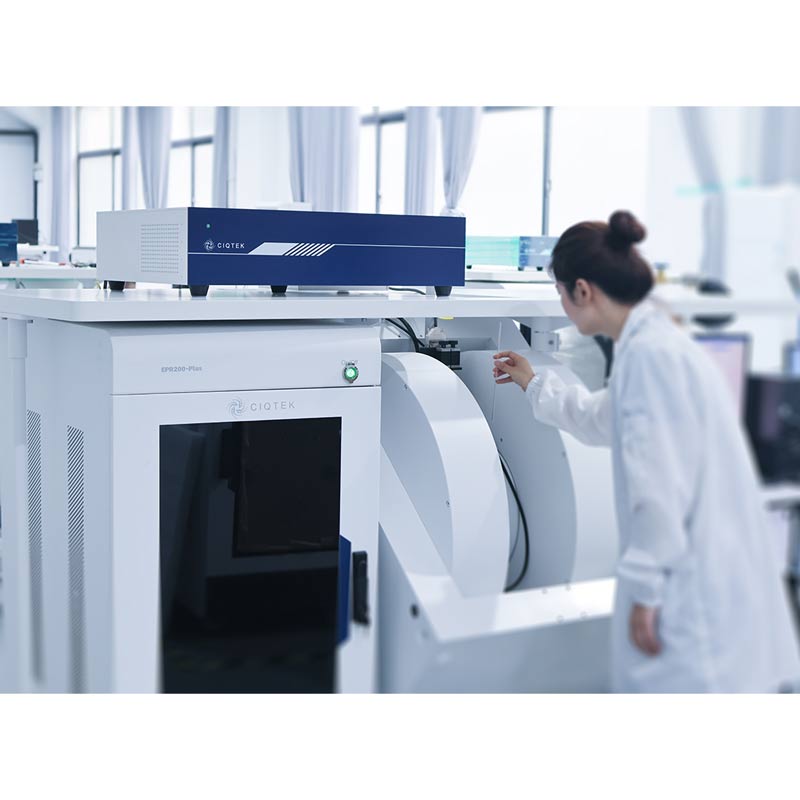
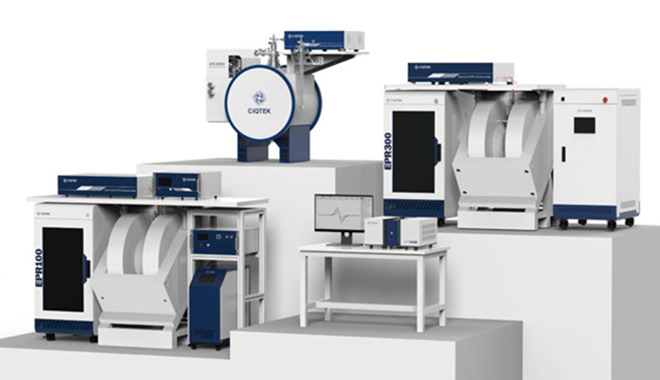
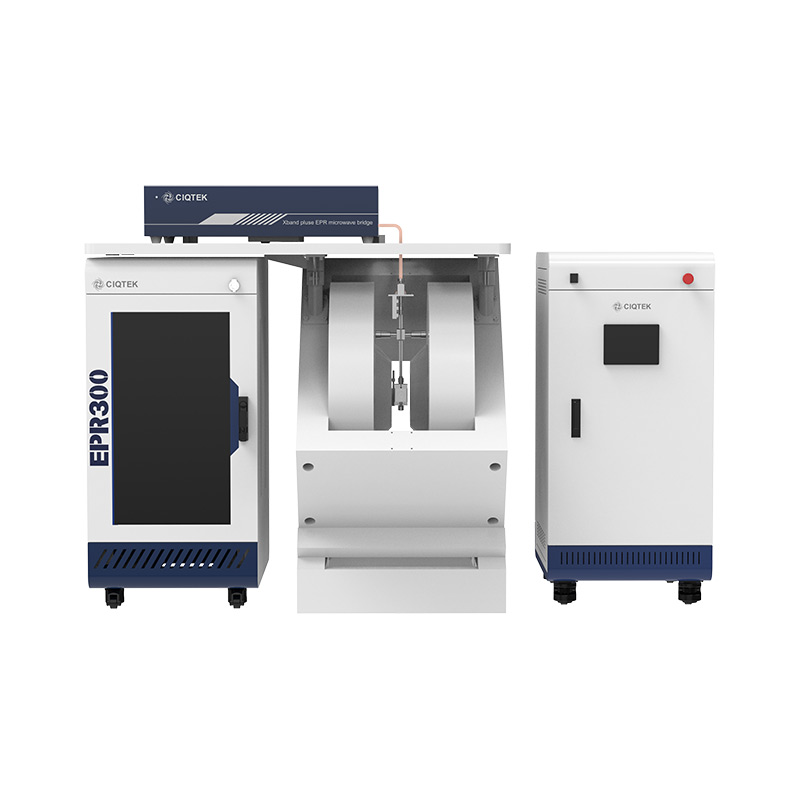
CIQTEK benchtop EPR system is a strong performer here. With X-band capability, built-in temperature control, and a space-saving design, it has been installed in both US and EU university labs where compactness and quick setup are key priorities.

ciqtek benchtop epr


Use-Case Match: Materials vs. Biological Samples

X-band covers a broad range of material research, from battery cathodes to polymer radicals, while Q-band offers finer insight into g-tensor anisotropy, valuable in protein structure, spin-labeled enzymes, and advanced pharmacological studies.

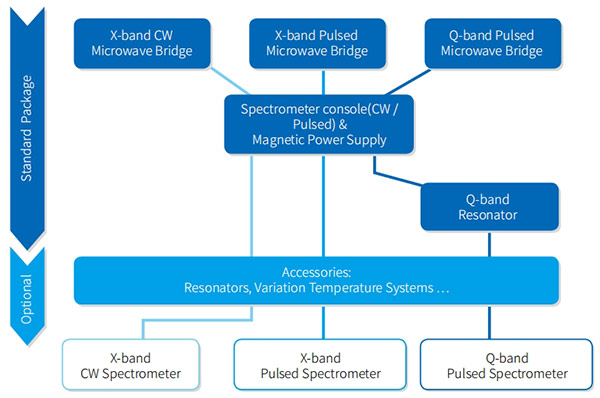
Labs working with diverse sample types may benefit from EPR systems that are modular or upgradable, depending on research evolution.

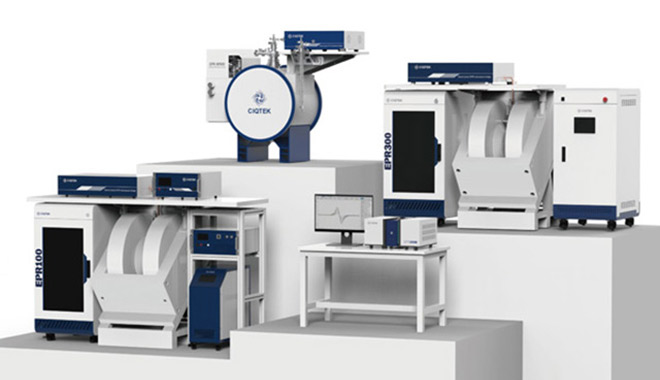
CIQTEK’s CW-Pulse EPR system supports both CW and time-resolved measurements at X-band and is designed with future expansion in mind, including Q-band add-ons in pipeline development.

ciqtek epr spectroscopy


Financing Options & Leasing Programs

European labs increasingly look at leasing programs or research consortium sharing models to offset initial costs. CIQTEK partners with distributors in Europe to offer flexible financing, demo units, and pilot trials, which several research groups in Germany and the UK have already taken advantage of.

This approach helps research teams validate hardware before major investment, while also supporting customized workflows—from materials engineering to bioinorganic chemistry.


Making the Right Choice

When choosing between X-band and Q-band, it’s not just about frequency—it’s about your lab’s focus, resources, and future trajectory. Many labs are discovering that a powerful X-band system with strong support, user-friendly software, and cost-efficiency delivers the best long-term value.


Contact CIQTEK to discuss the right EPR configuration for your research—and request a quote or on-site demo tailored to your region.


阅读全文......

Application of EBSD in SEM

Electron Backscatter Diffraction (EBSD) is a widely used microscopy technique in material science. It analyzes the angles and phase differences of the backscattered electrons produced when a sample interacts with a high-energy electron beam to determine key characteristics such as crystal structure and grain orientation. Compared to a traditional Scanning Electron Microscope (SEM), EBSD provides higher spatial resolution and can obtain crystallographic data at the sub-micrometer level, offering unprecedented details for analyzing material microstructures.


Characteristics of the EBSD Technique


EBSD combines the microanalysis capabilities of Transmission Electron Microscope (TEM) and the large-area statistical analysis capabilities of X-ray diffraction. EBSD is known for its high-precision crystal structure analysis, fast data processing, simple sample preparation process, and the ability to combine crystallographic information with microstructural morphology in material science research. SEM equipped with an EBSD system not only provides micro-morphology and composition information but also enables microscopic orientation analysis, greatly facilitating the work of researchers.


Application of EBSD in SEM


In SEM, when an electron beam interacts with the sample, various effects are generated, including the diffraction of electrons on regularly arranged crystal lattice planes. These diffractions form a "Kikuchi pattern," which not only contains information about the symmetry of the crystal system but also directly corresponds to the angle between crystal planes and crystallographic axes, with a direct relationship to the crystal system type and lattice parameters. This data can be used to identify crystal phases using the EBSD technique, and for known crystal phases, the orientation of the Kikuchi pattern directly corresponds to the orientation of the crystal.


EBSD System Components


To perform EBSD analysis, a set of equipment including a Scanning Electron Microscope and an EBSD system is required. The core of the system is the SEM, which produces a high-energy electron beam and focuses it on the sample surface. The hardware part of the EBSD system usually includes a sensitive CCD camera and an image processing system. The CCD camera is used to capture the backscattered electron images, and the image processing system is used to perform pattern averaging and background subtraction to extract clear Kikuchi patterns.


Operation of the EBSD Detector


Obtaining EBSD Kikuchi patterns in SEM is relatively simple. The sample is tilted at a high angle relative to the incident electron beam to enhance the backscattered signal, which is then received by a fluorescent screen connected to a CCD camera. The EBSD can be observed directly or after amplification and storage of the images. Software programs can calibrate the patterns to obtain crystallographic information. Modern EBSD systems can achieve high-speed measurements and can be used in conjunction with Energy-Dispersive X-ray Spectroscopy (EDS) probes to perform compositional analysis while rapidly obtaining sample orientation information.


Sample Preparation Principles


For effective EBSD analysis, sample preparation needs to follow certain principles, including the absence of residual stress, a flat surface (mechanical polishing), cleanliness, suitable shape and size, and good conductivity. The sample preparation process may involve ion etching, polishing, and other steps to ensure that the sample surface is suitable for EBSD analysis.


EBSD Calibration and Surface Scanning


Calibration is a critical step in the EBSD analysis process, ensuring an accurate correspondence between the Kikuchi patterns and crystallographic parameters. Surface scanning is another important application of EBSD technology, allowing researchers to perform extensive crystallographic analysis on the sample surface, thereby obtaining a comprehensive view of the material's microstructure.


阅读全文......

Over ten cryogenic SNVMs have been successfully delivered globally. CIQTEK cordially invites you to visit our booth (4) at the IcAUMS International Conference.

The 7th International Conference of the Asian Union of Magnetic Societies (IcAUMS) will be held at the Okinawa Convention Center in Japan from April 21st to 25th. CIQTEK, with its independently developed Scanning NV Probe Microscope (SNVM), will showcase innovative achievements in the field of extremely weak magnetic fields. We sincerely invite experts and teachers attending the conference to visit CIQTEK's booth, experience the charm of cutting-edge technology, explore cooperation opportunities, and jointly promote advances in magnetism and related disciplines.


The Asian Union of Magnetic Societies International Conference is held once every two years. Since its establishment in 2008 by magnetic societies from China, Japan, Korea, and Taiwan, it has become an important platform for exchanges in the field of magnetism and magnetic materials in the Asia-Pacific region.


The conference aims to promote in-depth cooperation in this field and enhance the influence of the Asia-Pacific region in the global field of magnetism and magnetic materials. At that time, experts, scholars, and representatives from companies from all over the world will gather together to discuss cutting-edge scientific research in magnetism, the latest research achievements, and future development trends.


CIQTEK's SNVM, developed for scanning NV probe microscopy, utilizes nitrogen-vacancy (NV) color centers in diamond as the core sensing element. Through quantum coherent manipulation, it achieves ultra-high detection sensitivity at the single-nuclear-spin level. Compared to traditional magnetic imaging devices, it breaks through the sensitivity and resolution limitations of traditional techniques in the detection of weak electric/magnetic fields. The single-atom-sized sensor greatly enhances spatial resolution and enables high-precision electromagnetic imaging and spectroscopic analysis at the nanoscale, providing a powerful microscopic detection tool for multidisciplinary research.


CIQTEK focuses on core technologies in precision measurement and is deeply involved in the development of high-end scientific instruments. Its main business covers providing key devices and equipment for multiple industries. In 2023, CIQTEK developed the low-temperature version of SNVM for the first time globally. It can measure the electromagnetic properties of materials in the temperature range of 2 to 300 K and, when paired with a three-axis vector magnet, greatly expands the application scenarios of SNVM.

Currently, more than ten units of this product have been successfully delivered, with users including Peking University, Tsinghua University, the Institute of Physics, Chinese Academy of Sciences, and City University of Hong Kong, among other top research institutions.

阅读全文......

What is Focused Ion Beam (FIB)?

Focused Ion Beam (FIB) technology has become an essential part of modern technological advancements, particularly in semiconductor manufacturing and nanofabrication. While FIB technology is well-known, its history and development are not widely known. Focused Ion Beam (FIB) is a micro-cutting instrument that uses electromagnetic lenses to focus an ion beam into a very small area. FIB involves accelerating ions from an ion source (most FIBs use Ga, but some devices have He and Ne ion sources) and then focusing the beam onto the surface of the sample.

CIQTEK DB550 Focused Ion Beam Scanning Electron Microscope (FIB-SEM) 


Origin of FIB Technology


Since the 20th century, nanotechnology has rapidly developed as an emerging field in science and technology. Currently, nanotechnology represents one of the forefront areas of scientific and technological advancement and has significant implications for economic and social development as a national strategy. Nanostructures have unique properties due to their structural units approaching the coherence length of electrons and the wavelength of light, leading to surface and interfacial effects, size effects, and quantum size effects. They exhibit many novel characteristics in electronics, magnetism, optics, and mechanics, and hold enormous potential in high-performance device applications. The development of novel nanoscale structures and devices requires the advancement of precise, multidimensional, and stable micro-nanofabrication techniques. Micro-nanofabrication processes are extensive and commonly involve techniques such as ion implantation, photolithography, etching, and thin film deposition. In recent years, with the trend of miniaturization in modern manufacturing processes, Focused Ion Beam (FIB) technology has increasingly been applied in fabricating micro-nano structures in various fields, becoming an indispensable and important technique in micro-nanofabrication.

FIB technology is developed based on conventional ion beam and focused electron beam systems and is essentially the same. Compared to electron beams, FIB scans the sample surface using an ion beam generated by an ion source after acceleration and focusing. Since ions have much greater mass than electrons, even the lightest ions, such as H+ ions, are more than 1800 times the mass of electrons. This enables the ion beam to not only achieve imaging and exposure capabilities similar to electron beams but also utilize the ion's heavy mass to sputter atoms from solid surfaces, making it a direct processing tool. FIB can also induce atoms to deposit onto the sample material surface by combining with chemical gases. Therefore, FIB is a widely applicable tool in micro-nanofabrication.


Development of Ion Sources


In the development of FIB technology, the advancement of high-brightness ion sources has been crucial. Early gas ion sources and Liquid Metal Ion Sources (LMIS) laid the foundation for FIB technology. In 1974, Seliger and Fleming first used a gas ion source for maskless ion implantation and resist exposure, confirming the potential of this technology. Subsequently, Orloff and Swanson developed the gas field ion source, which had high resolution but limited industrial application due to the requirement of low temperatures. The Liquid Metal Ion Source, on the other hand, was more successful due to its high ion brightness and ease of operation, laying the foundation for modern FIB systems based on Ga LMIS.


Applications of FIB Technology


FIB technology finds a wide range of applications, including ion implantation, milling, surface chemistry, lithography, materials micro-analysis, and scanning ion microscopy. In 1987, J. Melngailis published a comprehensive review of FIB applications, highlighting the potential of FIB technology in multiple fields.


阅读全文......

Why CIQTEK EPR Is a Smart Choice for UK Labs?

EPR (Electron Paramagnetic Resonance) spectroscopy remains indispensable in cutting-edge research from energy storage to bio-radical chemistry. As more UK labs seek instruments that balance performance, usability, and cost, a new player is making a strong impression across Europe: CIQTEK. Here’s why more researchers are turning to CIQTEK’s EPR solutions — and what makes them stand out.


Meeting the Needs of Modern UK Research Labs

Whether in leading research‑intensive universities or smaller independent research centers, EPR users today want more than just raw sensitivity — they value flexibility, service, and return on investment. UK labs, in particular, are balancing world-class ambitions with careful budgeting and time pressure. This is where CIQTEK EPR systems have found a clear niche.


In recent European demos and trials — including installations in France and on-site testing in the UK — researchers have noted how CIQTEK’s compact design and easy-to-learn software enable quicker start-up, less training, and smooth integration with existing workflows.


Performance Where It Counts: Compact Yet Capable

CIQTEK Benchtop EPR EPR200M may look small, but it delivers capabilities well beyond expectations:

  • X-band continuous wave with high modulation depth and stable magnetic field control

  • Integrated temperature control (VT) without bulky external cryostats

  • Optimized for paramagnetic centers, metal complexes, and free radical detection

Meanwhile, the CW/Pulse EPR (EPR300/EPR100) system offers advanced time-resolved measurements for researchers diving into spin dynamics or exploring transient species, all within a streamlined, fully integrated setup.

Researchers at a UK materials science lab recently commented during a demo:

“We were surprised that a system this compact could generate clean spectra at cryogenic temperatures, with so little prep time. It’s exactly what we needed for fast, routine spin checks.”

ciqtek epr workshopCIQTEK EPR Workshop


Cost-Effective Without Compromise

Traditional high-end EPR systems can stretch lab budgets thin. CIQTEK offers an attractive alternative with:

  • Transparent pricing and flexible configurations

  • Low operational overheads (built-in accessories, minimal consumables)

  • All-in-one systems that reduce space and utility costs


For institutions with multiple research teams or shared facilities, CIQTEK’s modular EPR platforms allow more users to benefit without requiring additional infrastructure.


Local Support and Global Standards

CIQTEK’s growing footprint in the UK is supported by local partnerships for installation, training, and fast-response service, addressing a common pain point for many UK labs working with overseas suppliers.


European researchers who've adopted CIQTEK systems have praised the speed of onboarding and the clarity of support documentation. Whether it’s remote software guidance or on-site calibration, users report a refreshingly responsive experience.


The Smart Choice for a Smarter Lab

If your lab is considering a new EPR system — or upgrading from a legacy model — now is the time to explore options that bring efficiency, innovation, and reliability together. CIQTEK’s EPR line is designed not just to meet technical demands but to support your team’s productivity from day one.

CIQTEK EPR Collections


阅读全文......

CIQTEK announces an attendance at a workshop dedicated to Aqueous Organic Redox Flow Batteries

It is with great pleasure that we, CIQTEKannounce an attendance at workshop dedicated to Aqueous Organic Redox Flow Batteries, to be held in the Campus des Cordeliers at Sorbonne University (Paris, France) on April 24-25, 2025. We will also bring the Electron Paramagnetic Resonance (EPR) Spectrometer-related materials to have friendly exchanges with scientists and researchers from all walks of life.


The workshop aims to bring together the whole community working on Aqueous Organic Redox Flow Batteries, at various research and development stages from fundamental research to prototypes.


The first edition will focus on best practices for determining performance metrics, including capacity, energy, and power, during the early development stages of new chemistries. It will also address methodologies to assess the stability of organic redox active materials, considering degradation mechanisms and projected lifetimes.


The workshop will also cover methodologies and techniques for accurately determining SOC and SOH, recommended procedures for conducting accelerated aging tests, predictive tools for assessing the long-term stability and performance of the RFB, and challenges to be addressed when scaling up AORFB technologies from laboratory-scale experiments to larger industrial applications. Looking forward to seeing you in Paris!


Meet us at the Workshop

Date: April 24 - 25, 2025


Location: Sorbonne University, Paris, France


阅读全文......

CIQTEK Presented Keynote on Magnetic Resonance and Applications at ENC 2025 ENC-ISMAR Joint Conference

CIQTEK participated in the prestigious Experimental NMR Conference (ENC) 2025 ENC-ISMAR Joint Conference, held from April 6 to 10 in Pacific Grove, California. The conference served as an excellent platform for CIQTEK to showcase its cutting-edge research and advancements in single-molecule magnetic resonance and its wide-ranging applications.


During the event, CIQTEK's renowned experts, including the Vice President, Chief Engineer, and Overseas Division Head, presented a keynote lecture on the groundbreaking topic of "single-molecule magnetic resonance and applications." The presentation highlighted the company's pioneering work in leveraging NMR techniques to analyze and study individual molecules, revolutionizing the understanding and utilization of molecular structures in various scientific fields.

"We are honored to have had the opportunity to share our latest research and innovations in single molecule magnetic resonance at the ENC 2025 ENC-ISMAR Joint Conference," said Eric, Vice President of CIQTEK. "By unraveling the mysteries of individual molecules, we aim to unlock new insights and applications that will shape the future of scientific exploration. We look forward to continuing our contributions to the field and collaborating with esteemed professionals in driving advancements in NMR and Electron Paramagnetic Resonance technology."


阅读全文......

Can LR43, LR44, LR41 be used interchangeably?


LR41, LR43 and LR44 are all alkaline coin cell batteries, but they have certain differences in specifications and uses. Do you know the applications of these batteries in daily life? This article will analyze the differences between them in detail and explain why they cannot be used interchangeably.


What are LR43 coin cell batteries?

The LR43 battery is an alkaline button cell with a nominal voltage of 1.5V and a usable temperature range of 0°C to 60°C, with an optimal operating temperature of approximately 20°C. This battery is popular for its durability, high capacity, high energy density, and stable and reliable performance.

LR43 button cell batteries are used in a variety of devices, including watches, electronic toys, remote controls, and calculators. LR43s are also interchangeable with other battery types, such as SR43, AG12, LR1142, 386, 301, 186, etc. However, it is important to note that although LR44 and LR43 are the same size, their chemical compositions are different and therefore not fully compatible. For example, SR43W, SR43, SR43SW, 386, 301, and AG12 are silver oxide button cells, while LR43 is an alkaline button cell.

It is worth mentioning that LR43 batteries do not contain mercury, are environmentally friendly and safe. Since the production standards of different brands may be slightly different, it is recommended to carefully check the product information before purchasing to ensure that it meets the needs of your device. 


LR44 battery replacement


LR44 alkaline coin cell batteries


Batteries that are comparable in size and capacity to the LR44 may be labeled differently depending on the manufacturer. Direct replacements for the LR44 include the Duracell 76A, Energizer A76, and AG13 batteries. Despite the different names, these batteries are identical replacements for the LR44 and are interchangeable. 

There are also other batteries with the same size as the LR44 but with different chemistries, such as the SR44, SR44SW, 357, and 303 silver oxide batteries. These batteries feature a more stable voltage output and are suitable for devices that require low power consumption and long operation, such as watches or certain medical devices.

One of the most common questions is, "Are LR44 and 357 the same?"

While 357 batteries and LR44 are similar in size, they differ in chemistry, cost, and performance. For example, 357 uses silver oxide technology, which provides longer-lasting power for low-power devices, while LR44 is primarily alkaline and is suitable for general-purpose electronic devices. 


What is an LR41 battery?


LR41 alkaline coin cell batteries


The LR41 is a small alkaline button cell battery that is widely used in electronic devices. Many well-known brands, such as Toshiba and Maxell, produce this type of battery. In addition, some smaller brands, such as Tianqiu, also offer LR41 batteries.

It's worth noting that similar sized batteries from brands such as Energizer may use different chemistries, such as silver oxide instead of alkaline, and therefore may vary in performance and usability.  


Features of LR43, LR44 and LR41

LR43 Battery Features

Cost-effective: Using manganese dioxide as the positive electrode material, it has both stability and economy.

Stable discharge capability: Even in the state of high drain pulse discharge, it can still maintain consistent voltage output.

Excellent leak-proof design: Using special sealing materials and unique structure to improve anti-leakage ability.

Environmental certification: Complies with RoHS and European environmental directives.


LR44 Battery Features

Strong high-drain discharge capability: Compared with traditional button batteries, it can maintain high current and high voltage for a longer time, and last longer.

Mercury-free safety technology: It adopts patented mercury-free process, which is suitable for high-safety applications such as medical devices.

High quality guarantee: Made in Japan, with more than 40 years of production experience, quality and reliability are guaranteed.


LR41 Battery Features

Nominal voltage: 1.5V

Nominal capacity: 25-32mAh (actual discharge capacity may vary depending on brand and discharge mode)

Ultra-small size design: suitable for space-constrained devices, providing stable low-current output. 


Application scenarios for LR43, LR44 and LR41

LR43 Applicable devices

Watches

Alarms

E-books (children's books with voice function)

Calculators

Blood glucose monitors

Toys and small electronic devices


LR44 Applicable Devices

Medical devices (such as digital thermometers)

Stopwatches, calorie counters, pedometers

LED lighting, pet collars, wireless doorbells

Video games, toys, garage door openers

Electronic notepads, PDA devices

Keyless entry systems, car alarms

Computer motherboards, laser pointers, calculators, watches


LR41 Applicable devices

Digital thermometers

Calculators

Laser pointers

Mini flashlights

Security system control panels

Medical instruments, watches

Memory backup systems, battery packs  


Are LR43, LR44, and LR41 interchangeable?

  • LR43 vs LR44
    • The LR43 is thinner than the LR44, and while some devices may be compatible, battery life will be reduced.
    • LR44 batteries are not a direct replacement for LR43 batteries as the size, voltage and current output are different and may affect proper operation of the device.
  • LR41 vs LR44
    • LR41 is significantly smaller than LR44 and has a lower energy capacity and is not a direct replacement.
    • The LR41 is equivalent to the 392-type battery, while the LR44 is closer to the 357-type silver oxide button cell.


Conclusion

Due to differences in size, voltage and energy capacity, LR43, LR41 and LR44 are not fully interchangeable. Using incompatible batteries may shorten the life of the device or cause the device to not function properly, so it is recommended to always choose a model that is compatible with the device to ensure optimal performance.  

If you want to know more about the market price and other information of LR41, LR43 and LR44 batteries, you can consult at www.warriorscell.com.


阅读全文......

CR2032 vs CR2025 Which to Choose?

Whether its your car key fob, digital watch, or kitchen scale, coin cell batteries are an important source of power for these devices. The CR2032 and CR2025 are two of the most common types, but many people dont know the difference between them. Does size matter? What are the performance differences? How do you choose the best one for your device?

This article will take a deep dive into the characteristics of CR2032 and CR2025 batteries to help you make an informed choice.


Part 1. What does CR stand for?

First, lets understand what the CR prefix means. CR stands for lithium coin cell, which uses lithium manganese dioxide (LiMnO2) as the main chemical component. This chemical material gives the battery a stable output voltage and provides a long storage life of typically 5 to 10 years.

In contrast, other coin cell batteries may use different chemistries, such as:

• “LR (alkaline battery)

• “SR (silver oxide battery)

So when you see the CR logo, you know its a lithium battery designed for low-power, long-life applications.


Part 2. What is a CR2032 battery?


CR2032 lithium coin cell battery


The CR2032 lithium coin cell battery is one of the most widely used button batteries, favored for its balanced size and capacity. As you can see from the naming convention:

The first two digits "20" represent the battery's 20 mm diameter

The last two digits "32" represent the battery's 3.2 mm thickness

CR2032 button cell batteries are highly regarded for their high capacity, with a voltage of 3v, typically between 210 mAh and 240 mAh, making them ideal for devices that require longer-lasting power. From medical devices like blood glucose monitors to everyday items like car key fobs and small remote controls, CR2032 batteries provide reliable power, even in colder conditions where other batteries may fail.


Part 3. Understanding CR2025 Batteries


CR2025 lithium coin cell battery


The CR2025 is also part of the CR series of button batteries, and the "2025" in its name means:

Diameter: 20 mm

Thickness: 2.5 mm (slightly thinner than the CR2032)

Due to their smaller capacity and 3v voltage, typically between 210 mAh and 240 mAh, CR2025 button cell batteries may not last as long as their thicker counterparts, especially in devices that require a steady supply of power. However, they are still very effective in low-power devices such as watches, small remote controls, and some medical devices such as thermometers.


Part 4. CR2032 vs. CR2025: Which is Better?

There is no absolute "better" choice when it comes to choosing between a CR2032 and a CR2025. It really depends on your specific needs. If your device requires a battery with a larger capacity and longer life, such as a car key fob or medical device, then the CR2032 button cell battery would be your first choice. On the other hand, if your device has a more compact battery compartment or requires minimal power consumption, then a CR2025 button cell battery may be a better fit.


Part 5. How do I choose the right battery?


CR2025 button cell battery


The choice between a CR2032 or CR2025 depends largely on the power requirements of the device and the available space in the battery compartment. For example, if your device manual specifies the use of a CR2025, it may be due to size constraints. In this case, using a CR2032 (even if it has a higher capacity) may not be a good fit. When replacing batteries, it is recommended to refer to the device manual to ensure that the selected battery meets the requirements.


Part 6. Are CR2032 and CR2025 interchangeable?

In many cases, it is not possible to replace a CR2025 with a CR2032, but this depends on the device's battery compartment. Since the CR2032 is thicker, it may not fit into a compartment designed for the thinner CR2025.


Part 7. Are CR2032 and CR2025 rechargeable?

Generally, CR2032 and CR2025 batteries are disposable and not rechargeable. If they become depleted, they should be properly recycled.


In general, it is best to use the battery type specified in the device manual for optimal performance and safety.

阅读全文......

CR2450 Button Cell Batteries Everything You Need to Know

When it comes to choosing a CR2450 coin cell battery, many people are confused: Which one should I choose? Will choosing the wrong one damage my device? How long can it last? These questions may be troubling, but don't worry! This article will give you a detailed introduction to the specifications, uses, and how to properly select and maintain CR2450 button cell batteries.


CR2450 button cell batteries


What is a CR2450 battery?

The CR2450 button cell battery is a compact lithium battery widely used in electronic devices. The "CR" refers to its Lithium Manganese Dioxide (LiMnO2) chemistry, while the "2450" refers to its dimensions:

Diameter: 24 mm

Thickness: 5.0 mm

CR2450 is known for its high energy density and long life, and is suitable for a variety of small electronic devices such as remote controls, medical instruments, and IoT devices. 


CR2450 Battery Specifications

Specifications

Detail

Battery Type

CR2450

Nominal voltage

3V

Capacity

500-620 mAhvaries by manufacturer

Diameter

24.5 mm0.965 in

Height

5.0 mm0.197 in

Weight

Approx. 6.5 g

Chemical system

Lithium manganese dioxide (LiMnO2)

Operating temperature range

-20°C to +70°C

Self-discharge rate

< 1% per year (at room temperature)

Continuous discharge current

0.2-0.5 mA

Maximum discharge current

1-3 mA (varies by manufacturer)

Shelf life

5-10 years (depending on storage conditions)


How to choose the right CR2450 battery?


CR2450 button cell batteries


1. Device compatibility

CR2450 is widely used in watches, car keychains, medical instruments, etc. Please check the battery compartment specifications of the device before purchasing to ensure compatibility.

2. Price and cost performance

CR2450 batteries generally cost between $2 and $10, depending on the brand and the quantity purchased. Although cheap batteries may seem more cost-effective, high-quality batteries have a longer lifespan and are more cost-effective in the long run. 

3. Well-known Brand Recommendations

Some trusted CR2450 battery brands include Energizer, Duracell, Panasonic. These manufacturers are known for producing high-quality, reliable batteries that perform harmoniously. However, lesser-known brands such as Warriors also offer good quality at competitive prices. 

4. Factors to consider when buying

When choosing CR2450 button cell batteries, consider the following:

Capacity: The higher the mAh value, the longer the life.

Expiration date: Buy batteries with a long shelf life.

Environmental conditions: If exposed to extreme temperatures, make sure they are rated accordingly.

Package quantity: If you use them frequently, you may save money by buying in bulk. 


Application scenarios of CR2450 batteries


CR2450 button cell batteries


Internet of Things devices: such as wireless sensors, wearable health devices.

Remote controls: car key chains, TV remote controls, garage door remote controls.

Medical devices: blood glucose monitors, hearing aids, electronic thermometers.

Consumer electronics: watches, calculators, electronic timers.

Toys and games: electronic toys, handheld game consoles.

LED lighting: key chain lights, decorative light strings.

Backup power: memory backup for electronic devices.

Fitness trackers: pedometers, health testing equipment.

Access control systems: RFID tags, smart door locks.


Advantages of CR2450 Batteries

1. High Energy Density

-CR2450 battery is small in size but has high energy capacity. It typically provides about 620620 mAh, which is ideal for devices that need long-lasting power.

2. Long Shelf Life

-Low self-discharge rate means up to 90% of capacity can be retained after 10 years of storage - Ideal for use as a backup power source for storage devices or long-term use.

3. Wide Operating Temperature Range

-Reliable operation in the range of -20°C to +60°C, can be used outdoors or in harsh environments.

4. Stable Voltage Output

-Provides a stable 3V output, which is enough for many electronic devices such as watches or remote controls.

5. Compact Size

-Suitable for small devices without compromising power supply.

6. Leak-proof Design

-Leak-proof design reduces the risk of device damage. 


CR2450 Battery Storage and Care

Proper Storage

Always handle these small button batteries with clean, dry hands to prevent moisture or dirt from affecting them. Avoid touching their flat surfaces, as oils from your skin can cause problems potentially shortening their lifespan. Use non-conductive tools when inserting or removing the battery from a device to avoid short circuits.


Storage Tips for Extended Shelf Life

For optimal storage of your CR2450, keep it in a cool, dry place away from direct sunlight ideally between 10°C-25°C (50°F-77°F). Keep it in its original packaging if possible; plastic containers are also great for preventing moisture/accidental shorts, but make sure to keep it separate from other metal objects/batteries that could pose a safety hazard! By following these tips, you can rest assured knowing they will stay fresh and ready to go when you need them later!


How to Test Battery Performance

To test your CR2450 button cell battery, use a multimeter set to DC voltage. A healthy battery should read close to 3 volts. If it reads significantly lower, it needs to be replaced. Some devices have built-in battery indicators; refer to the device manual for specific testing procedures. 


Signs of a CR2450 lithium manganese battery failure

Watch for the following indicators of battery failure:

Dimming of the device display or LED

Intermittent device operation

Frequent low-battery warnings

Unusual behavior of the electronic device  


Can the CR2450 be replaced with another battery type?

No. Use batteries that match the size (24mm wide, 5mm thick) and voltage (3.0V). Similar types (such as BR2450) may be suitable for low-drain applications, but have different chemistry and lower capacity. 


Safety precautions when using CR2450 coin cell batteries:

Keep button batteries out of the reach of children to prevent accidental swallowing, which may cause serious choking risks or internal damage.

Avoid exposing the battery to high temperatures, do not puncture it or attempt to charge it to prevent safety hazards from short circuits or leakage.

It is recommended to store the battery in a cool, dry environment to maintain its optimal performance and extend its life.

阅读全文......