Latest Electronics News & Trends | Expert Insights & Innovations
3.5 mm terminal block

Materials and Conductivity Why Terminal Block Quality Matters

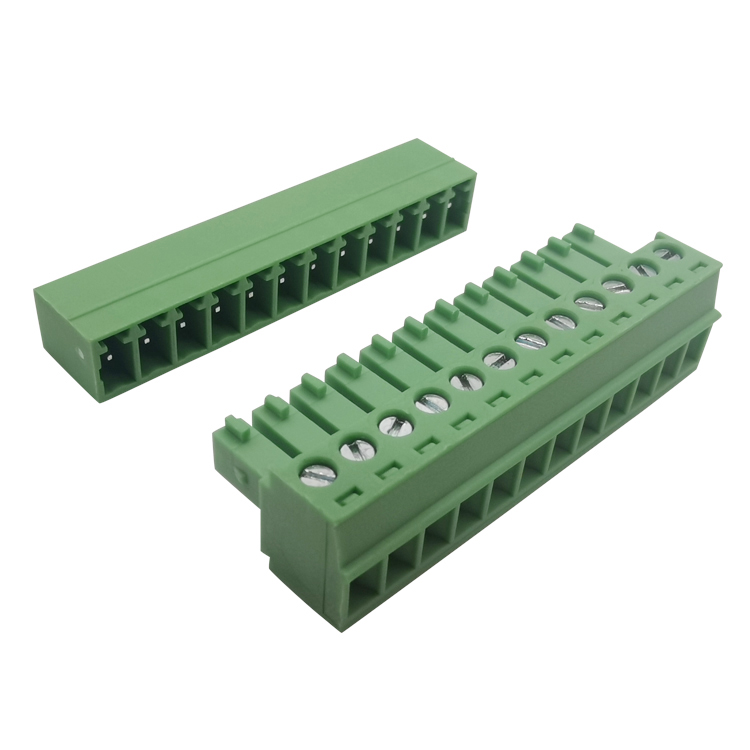
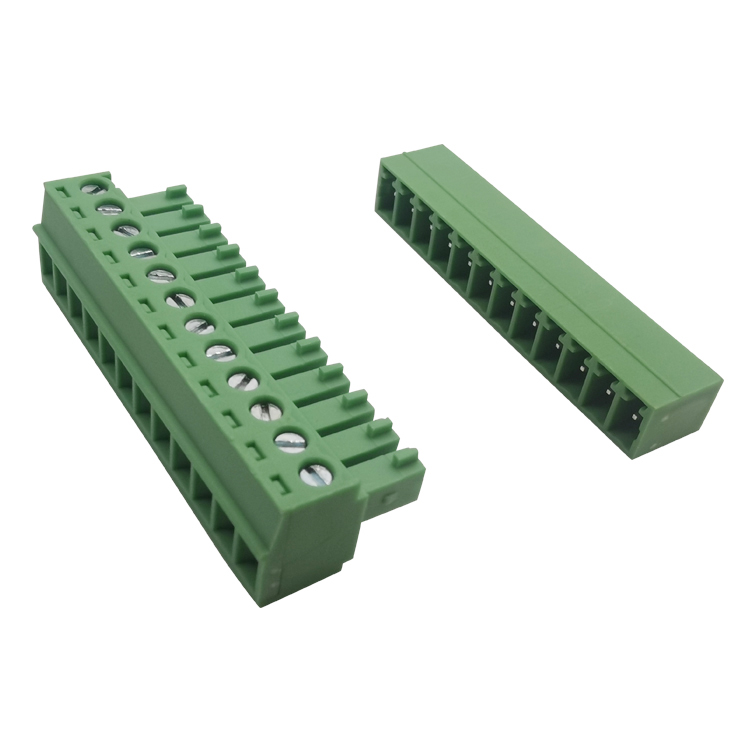
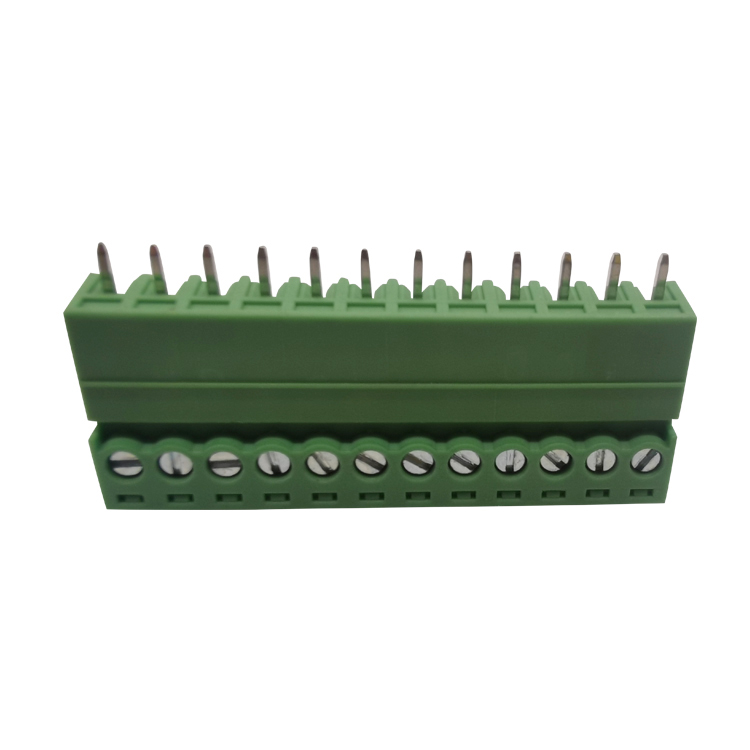
terminal block 12 position

This is an excellent question that directly addresses the core of electrical system reliability. Why terminal block quality so important?because its the key for  integrity, stability, and safety of the "conductive circuit." We can delve into this matter from several dimensions: materials, design, manufacturing process, and practical implications.


1. Materials: The Physical Basis of Conductivity

Conductivity is primarily determined by the material. High-quality terminal blocks are made from materials with excellent conductivity and undergo necessary surface treatments.


Main material (conductive sheet):

Premium Options: High-purity oxygen-free copper (e.g., TU1) or copper alloys (e.g., brass, phosphor bronze). These materials exhibit low resistivity and excellent conductivity, while phosphor bronze also offers superior elasticity and fatigue resistance, ensuring long-term contact pressure maintenance.

Low-quality materials: Using recycled copper with high impurities, copper-clad aluminum, or even iron coated with copper. These materials exhibit high electrical resistance, severe heat generation, and are prone to corrosion, posing significant safety hazards.

Plating layer: Key corrosion-resistant and contact-enhancing layer.

Tinning: The most common method, with moderate cost, effectively prevents copper substrate oxidation while maintaining excellent solderability and contact.

Silver plating: Offers the best conductivity and strong oxidation resistance, commonly used in applications requiring extremely low contact resistance or high-frequency signals (though silver can sulfidize in sulfide environments).

Nickel/Plated Gold: Excellent wear and corrosion resistance, suitable for high reliability, frequent plugging and unplugging, or harsh environments.

Low-quality products: thin and uneven coatings with poor adhesion, which wear or oxidize quickly, leading to a sharp increase in contact resistance.

12 way terminal block

2. Design and Craftsmanship: Transforming Material Properties into Reliable Connections

Good materials require good design and craftsmanship to achieve.


Contact Design:

Pressure and Area: The spring or screw structure must provide sufficient, stable, and uniform contact pressure. Insufficient pressure results in high contact resistance, while excessive pressure may cause plastic deformation of the cable or spring, leading to failure.

Contact point protection: The design should minimize the erosion of contact points by environmental factors (dust, moisture, corrosive gases).


Structural Strength and Insulating Materials:

Insulated housing: Must be made of flame-retardant, high-temperature-resistant, and high-CTI (Comparative Tracking Index) engineering plastic (e.g., PA66+GF). Inferior plastics are prone to aging, deformation, or even combustion, which can cause short circuits or fires.


Mechanical strength: Structures such as clips, guide rail grooves, and screw mounting seats must be robust and capable of withstanding stresses from installation, operation, and vibration.


Process consistency:

Precision Machining: Ensure consistent dimensions and tight tolerances at every contact point.

Reliable fasteners: The strength of screws, thread accuracy, and anti-loosening designs (such as screws with saddle washers) are crucial.


Conclusion: Terminal blocks are the "gatekeepers" of system safety

In modern electrical and control systems, although terminal blocks are inconspicuous passive components, they undertake multiple key functions such as current transmission, signal connection, circuit isolation, and physical fixation.

High quality terminal block: Like a loyal "goalkeeper", it ensures low loss, zero distortion, and high reliability of electrical energy and signals, resists environmental erosion and mechanical stress throughout the entire life cycle of the equipment, and is the cornerstone of safe, stable, and efficient system operation.


Low quality terminal block: It is a hidden time bomb in the system. The small cost savings it saves are completely insignificant compared to the potential costs of equipment damage, production downtime, data loss, and even personal safety accidents.

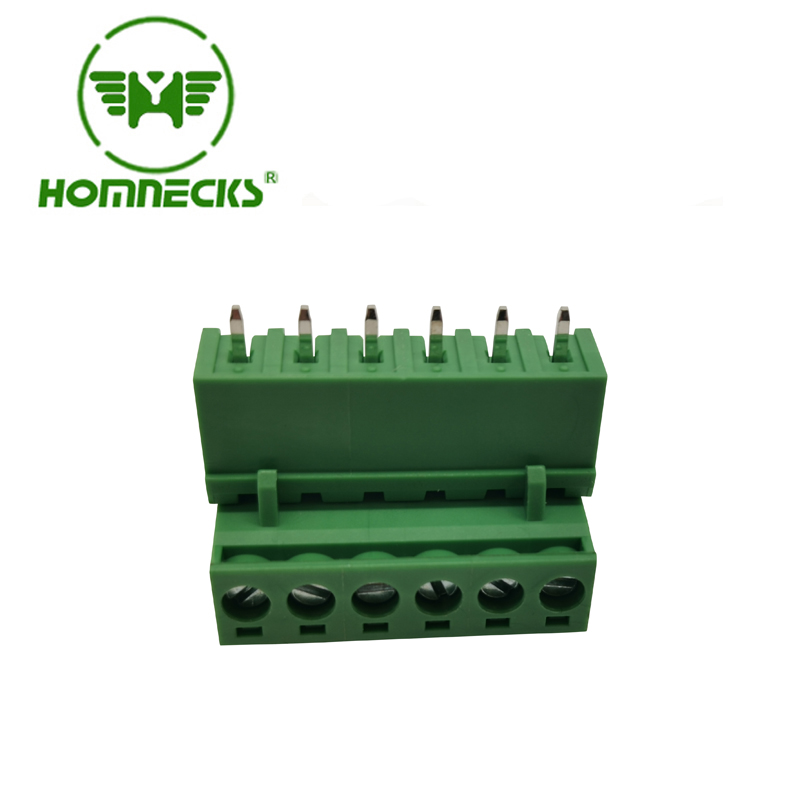
3.5 mm screw terminal block


Therefore, when choosing a terminal block, it must not be regarded as a simple "wiring tool". The strict requirements for its materials (conductivity and coating), design (contact and insulation), and process (consistency) are the basic guarantees for the investment and personal safety of the entire electrical system. Always adhere to selecting products that comply with international standards (such as UL, IEC, VDE) and come from reliable manufacturers, which is the wisest choice.

阅读全文......

Why the 5.08 mm Terminal Block is a Game Changer in IoT Systems

3.81 mm terminal block

In the rapidly evolving world of IoT (Internet of Things),reliable connectivity is the backbone of efficient system performance.One critical component that ensures seamless connections in IoT controllers is the 508 mm terminal block.Designed for secure wire connections,this terminal block provides robust electrical connectivity,making it ideal for IoT applications where stability and durability are paramount.Its compact yet sturdy design ensures that even in high-density PCB layouts,the 5.08 mm terminal block delivers consistent performance.

When designing IoT controllers,engineers often face the challenge of balancing space constraints with functionality.This is where the versatility of terminal blocks comes into play.For instance,the 3.81 mm terminal block offers a smaller footprint,perfect for compact IoT devices where space is at a premium.Meanwhile,the 50 mm terminal block strikes a balance between size and current-carrying capacity,making it suitable for mid-range IoT applications.Both options ensure reliable connections without compromising on performance.

7.62 mm terminal block

In more demanding IoT environments,such as industrial automation or smart grid systems,higher current ratings and stronger connections are required.The 7.5 mm terminal block and 762 mm terminal block excel in these scenarios.These terminal blocks are engineered to handle higher voltages and currents,ensuring that IoT controllers operate safely and efficiently even under heavy loads.Their robust construction makes them a go-to choice for industrial IoT applications.

For IoT devices that require a balance between compact design and moderate electrical requirements,the 35 mm terminal block is an excellent choice.Its smaller pitch allows for high-density PCB layouts,while still providing reliable connections for low to medium current applications.This makes it a popular option for consumer IoT devices,such as smart home systems,where space and efficiency are critical.

The diversity of terminal blocks,from the 508 mm terminal block to the 35 mm terminal block,highlights their adaptability across various IoT applications.Whether it’s a compact wearable device or a large-scale industrial controller,these components ensure secure and efficient electrical connections.Their ability to meet different design requirements makes them indispensable in the IoT ecosystem.

When it comes to quality and innovation,HONGYI HOMNECKS PCB terminal blocks stand outKnown for their precision engineering and durability,HONGYI HOMNECKS terminal blocks,including the 508 mm terminal block,are trusted by engineers worldwide.Their products are designed to meet the highest industry standards,ensuring reliable performance in even the most demanding IoT applications.With HONGYI HOMNECKS,you get a perfect blend of quality,versatility,and innovation,making them the ideal choice for your IoT controller designs.


阅读全文......