Latest Electronics News & Trends | Expert Insights & Innovations
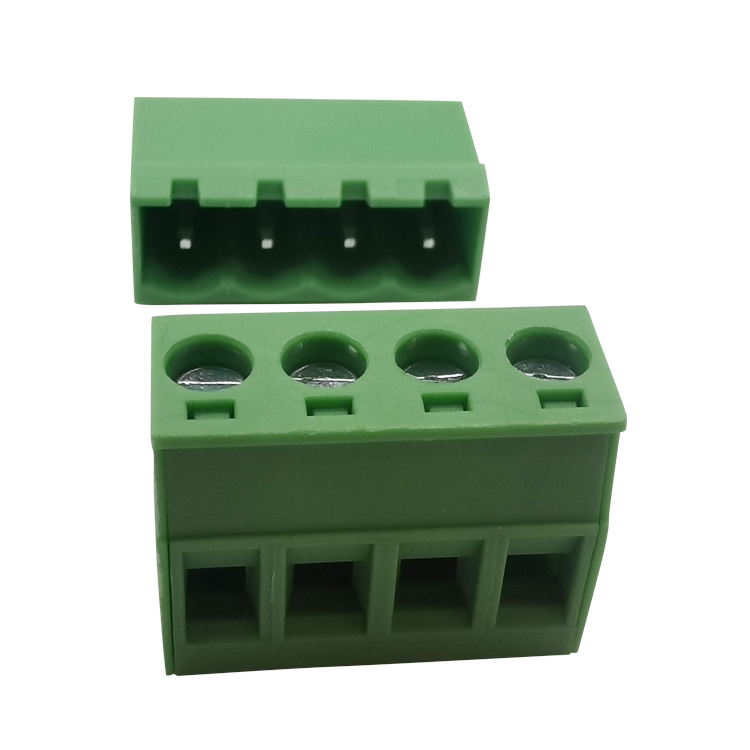
pcb mount terminal block

Speed Up Your Product: Launch 4 Big Advantages of Choosing a Custom Terminal Block Factory with OEM/ODM Services

pluggable pcb terminal blocks

Standard parts work for 80% of cases.But if your R&D team is designing a new, breakthrough hardware product?Off-the-shelf connectors won’t fit.Not your PCB layout. Not your design.

That’s when you need an OEM pluggable terminal block factory.One with strong engineering skills.It’s the key to getting your product to market faster.Faster, way faster.


1. Break free from standard sizes and structures

Compact devices. Odd-shaped PCBs.They always run out of wiring space. Always.

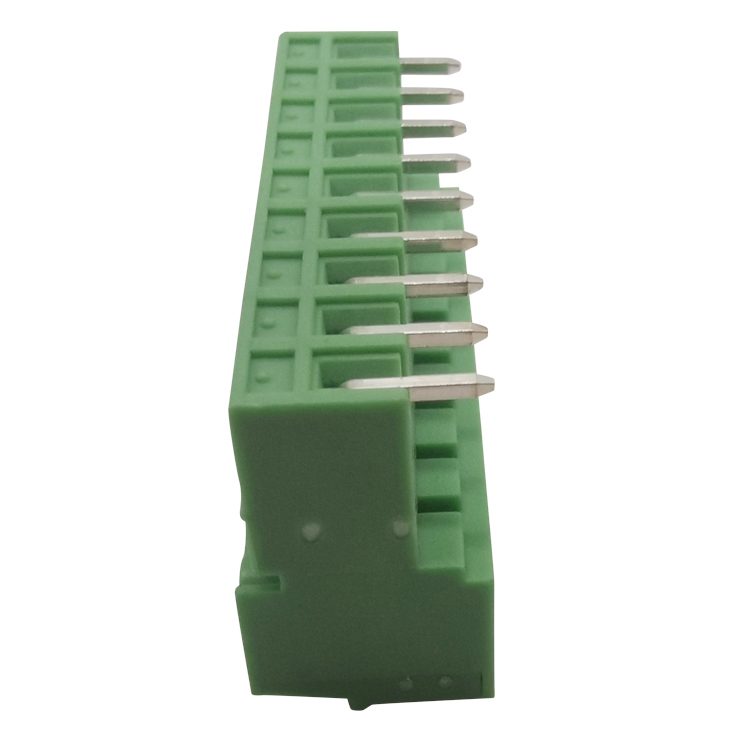
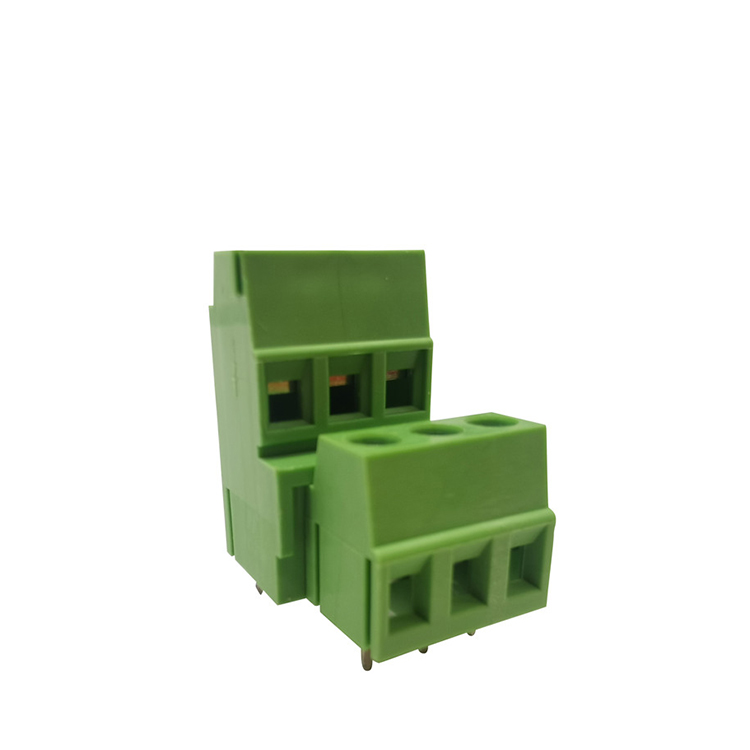
A good factory? They don’t just do standard 5.08mm or 3.81mm pitch.Give them your Gerber files.They’ll redesign pin length. Bend angles. Even multi-layer stacking.

This custom pluggable PCB terminal blocks service?Game-changer.Hardware engineers don’t have to change their perfect circuit designjust to fit a terminal block.No more compromising.


2. Color coding and anti-misplug design

Complex control cabinets?Wiring mistakes are the main reason tests fail.So annoying.

With custom services?You can order custom color plug-in terminal blocks.Special printing. Specific colors.Green for power. Blue for signals. Whatever you need.

Even add unique physical keying on plugs and sockets.No more wrong connections.Installers won’t mess up. At all.
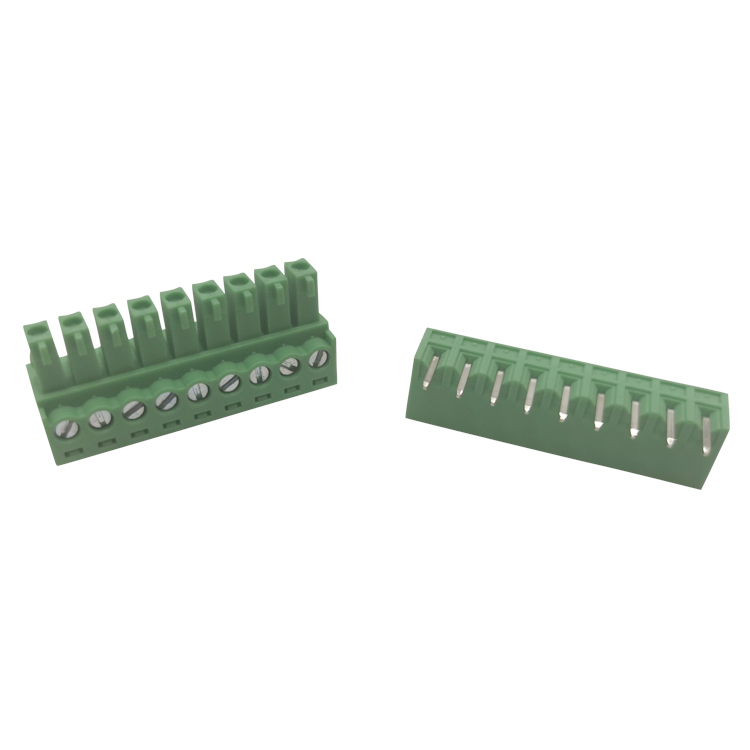
pluggable terminal block factory

3. Fast response from concept to mass production

Need an OEM PCB mount terminal block with stronger clamping force?Or a bespoke spring terminal block with special vibration resistance?

Factories with in-house mold shops?They cut prototype time way down.Way down.

So your product can finish prototype testing on time.Smoothly move to mass production.No delays. No hold-ups.

Work with Homnecks: Turn Your Connection Idea into Reality


Homnecks isn’t just a standard parts supplier.We’re an extension of your R&D team.Really.

We have experienced structural engineers.Advanced mold processing centers.

Need to tweak an existing product?Or design a fully customized screwless terminal block from scratch?We do it fast. We do it right.Top-notch OEM/ODM services.

Go to www.homnecksterminal.com.Contact our engineering support team.Let’s talk about your next innovative project.We’ll build the perfect custom connection solution for you.Easy. No hassle.
阅读全文......

Boost wiring efficiency and stability Why engineers are moving to screwless terminal blocks

pcb mount terminal block

Industrial automation and PCB design move fast.Efficiency and reliability matter more than anything.

For decades, screw terminals were the standard.But now applications need faster assembly,especially in tough environments.More engineers and makers are switching to screwless, spring-type terminals.


Why?This guide walks you through wiring with screwless terminal blocks.

1. Faster wiring, lower labor cost

On assembly lines, time is money.Screw terminals need manual tightening.It takes time, and people often over-tighten or under-tighten.

Spring terminals let you just plug wires in.Solid wire or ferrule crimped stranded wire push it straight in.This cuts wiring time by up to 50%.Lower labor cost is the biggest advantage.


2. Better against vibration

Vibration makes screw connections come loose.That causes breakdowns, repairs, even short circuits.

Spring PCB terminals keep constant pressure on wires.They hold tight in railways, heavy machines, wind turbines.No loosening over time.

pcb mount screw terminal block

3. Spring or screw terminals?

Screw terminals still work great for very high current.But for dense PCBs, vibrating environments, fast assembly spring terminals are better.


Conclusion

Using screwless terminals in your PCB design improves long-term reliability.

Homnecks is a professional push-in spring terminal block manufacturer. We offer standard and custom solutions.Our engineering team supports your project from start to finish.

Contact us for free samples and technical advice today.

阅读全文......

How to choose the right terminal blocks for your project 5 key factors


5.08 mm terminal block

How to choose the right terminal blocks for your project? We provide an in-depth analysis of five key factors: current and voltage, installation method, environmental adaptability, material structure, and certification standards, to help engineers and purchasing personnel make precise selections and reduce failure rates and maintenance costs.


I. Matching Electrical Parameters: Current, Voltage, and Safety Margin

1. Rated Current

When selecting terminal blocks, it's crucial to consider not only the nominal current of the equipment but also peak current, long-term load, cable cross-sectional area, and the impact of ambient temperature.  It is recommended to leave a 20%-30% current margin to ensure stable long-term operation.

2. Rated Voltage

Different applications have different voltage requirements: low-voltage control systems typically use 300V, industrial power systems often use 600V or higher, and new energy systems can reach 1000V.  Creepage distance and electrical clearance design should also be considered.


II. Wiring Method Selection: Screw-type or Spring-type?

1. Screw Terminal Block

Suitable for high-current applications, such as power distribution cabinets and industrial control boxes, but requires regular inspection to prevent loosening.

2. Spring Terminal Block

Suitable for automation control systems and vibrating environments, offering maintenance-free and vibration-resistant advantages.

3. Pluggable Terminal Block

Suitable for PCB connections and modular designs, facilitating installation and maintenance.


III. Environmental Adaptability: Do Not Underestimate the Working Environment

When selecting connectors, working temperature, protection rating, and vibration conditions must be considered. For high-temperature environments, high-temperature resistant nylon (PA66) material is recommended. In dusty or humid environments, attention should be paid to the IP protection rating and corrosion resistance.


IV. Material and Structural Design: Determining Long-Term Stability

High-quality terminal blocks typically use copper or tin-plated copper conductors and insulation materials that meet the UL94 V-0 flame retardant rating.  Oxidation and corrosion resistance directly affect long-term operational safety.


V. Certification and Compliance: A Crucial Aspect for Export Projects

Common international certifications include UL, CE, TUV, IEC, and RoHS. For export projects, certification not only affects customs clearance but also relates to project acceptance and legal compliance.


When selecting components, engineers should consider ease of maintenance, modular expandability, and inventory standardization.  Proper terminal selection not only improves system stability but also reduces long-term maintenance costs. Stable connections are fundamental to reliable system operation; although small, terminal blocks are crucial connecting components in electrical systems. Correct selection can reduce failure rates, extend equipment lifespan, and enhance overall brand reliability.

阅读全文......