Latest Electronics News & Trends | Expert Insights & Innovations
Thermal PTZ Camera

Thermal PTZ Camera vs. Optical Camera Choosing the Right Solution for Nighttime Maritime Security

Nighttime maritime security needs the best tools. You deal with darkness, bad weather, and sudden dangers. Thermal PTZ cameras often work better than optical cameras. They find heat, see in total darkness, and handle tough conditions. Recent reports show more nighttime problems:

  • Global piracy cases went up by 50% in early 2025.
  • The Singapore Strait had over 70 cases in 2025.
  • Crew kidnappings in the Gulf of Guinea were 87% of all cases.

You need good surveillance. A Maritime Thermal PTZ Camera uses infrared to find heat. Optical cameras use visible light. When picking a camera, think about detection range, image quality, weather resistance, price, and your needs.

Feature Thermal PTZ Cameras Optical Cameras
Light Requirement Work in low-light or no-light Need light
Detection Capability Find heat, work in total darkness Lighting affects them
Weather Adaptability Not bothered by glare or fog Poor visibility affects them


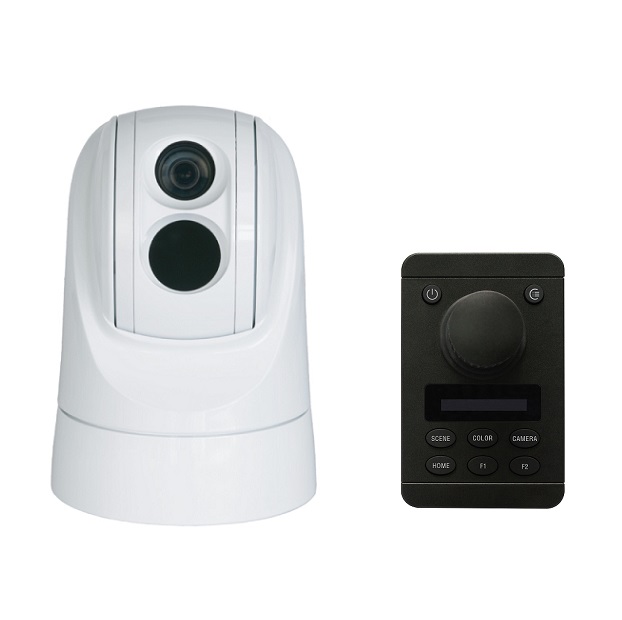
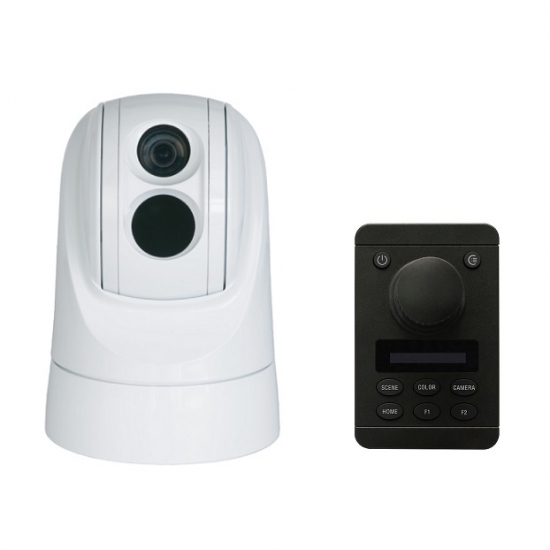
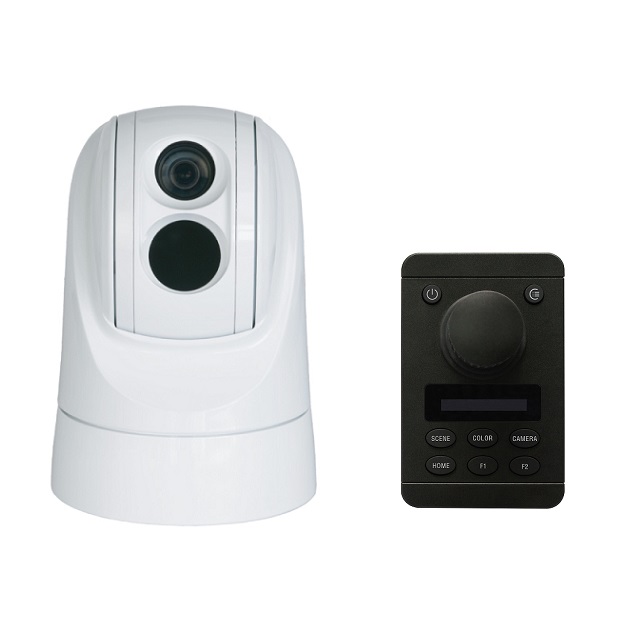
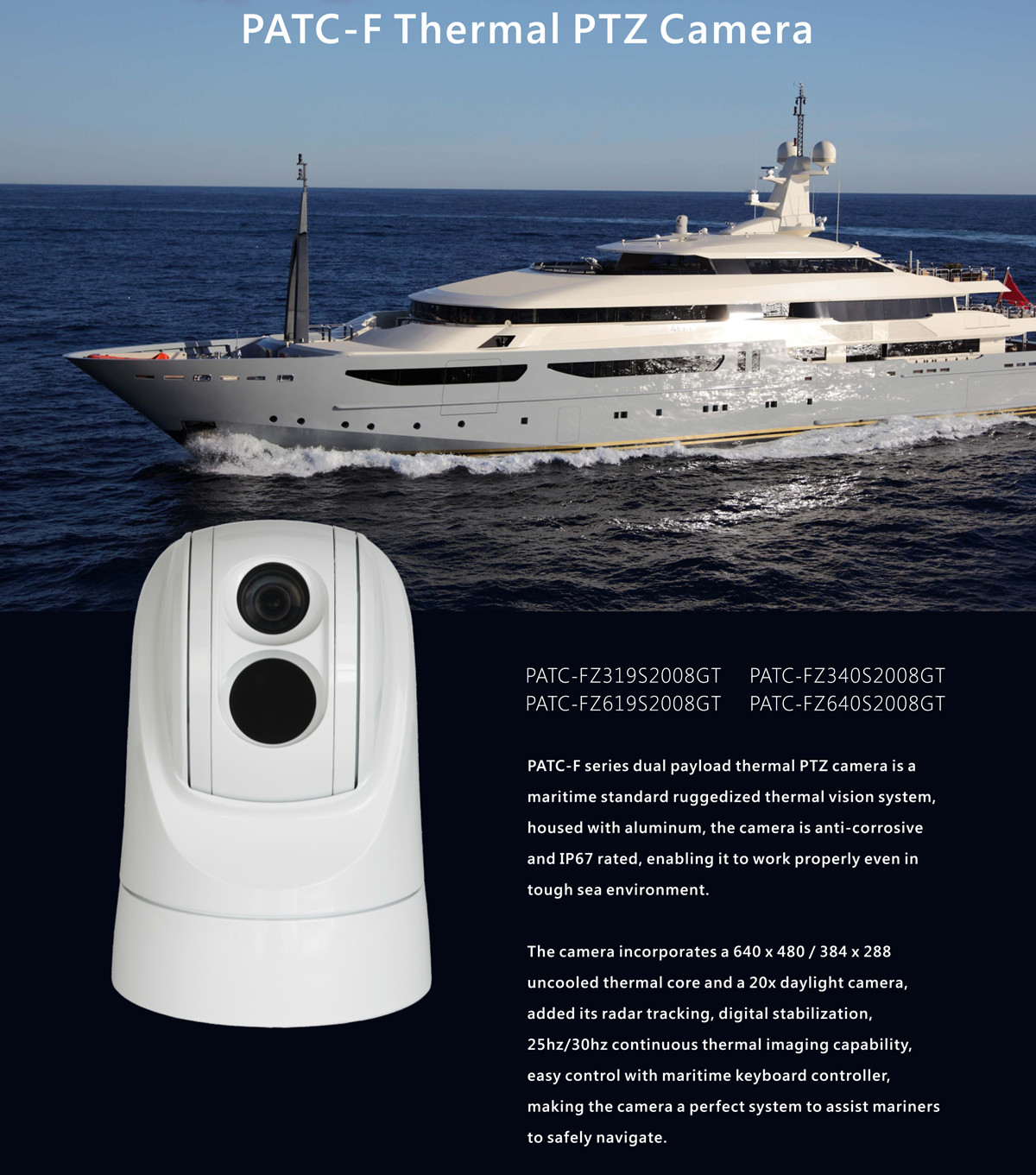
PATC F Series Dual Payload Thermal Maritime Standard Rugged PTZ Camera with Martime Keyboard Control


Key Takeaways

Thermal PTZ cameras work very well in complete darkness. This makes them great for nighttime maritime security. These cameras find heat, so they can see through fog, rain, and smoke. This helps them give good surveillance even in bad weather. Optical cameras are best when it is bright. They give clear pictures but have trouble in low light or darkness. For the best coverage, use both thermal and optical cameras together. This helps you get better detection and more details. Think about your needs, your budget, and the weather before you pick a camera for your maritime security.


Best Choice for Nighttime Maritime Security

Summary and Justification

You want a camera that works well at night on the water. Most of the time, a Maritime Thermal PTZ Camera is the best pick. This camera uses infrared to find heat, so it works even when it is very dark. You do not have to worry about bad weather or no light. The camera can see through fog, rain, and smoke. It finds people or things by their heat, not by how they look. This helps you spot danger or problems faster and with fewer mistakes.

  • Thermal PTZ cameras work in low light and total darkness.
  • They use infrared to make pictures, so you can see when it is dark.
  • These cameras keep working in fog, smoke, and rain.
  • Thermal imaging shows heat, so you can find hidden people or things.
  • You get fewer false alarms because the camera looks for heat, not just movement or light changes.

People who work in maritime security trust these cameras at night and in tough weather. Optical cameras can help sometimes, but they need light to work well. If you want clear pictures in darkness or storms, a Maritime Thermal PTZ Camera is usually better.


When Each Camera Excels

It is important to know when to use each camera. Both types are good, but they work best in different ways.

  • Use a Maritime Thermal PTZ Camera when you need to see in total darkness. This camera helps you find people in the water, even if they are far away. It works well in fog, rain, and smoke. You can use it for search and rescue or to spot danger at night.
  • Pick an optical camera if you work where there is a lot of light. Optical cameras give you sharp, colorful pictures when it is bright. They help you see faces, read numbers, and spot small details during the day or in bright places.

Here is a simple chart to help you choose:

Feature Maritime Thermal PTZ Camera Optical Camera
Visibility in Darkness Works in total darkness Needs some light
Weather Resistance Unaffected by fog, rain, or smoke Loses clarity in bad weather
Clarity in Low Light Shows clear heat signatures Image quality drops in low light
Detail in Good Light Less detail than optical High detail in good lighting
Search and Rescue Finds people by heat in water or fog Hard to see in darkness or glare

You get the best results when you pick the right camera for your needs. For most nighttime jobs on the water, a Maritime Thermal PTZ Camera gives you an advantage. If you work in a bright port, an optical camera can help you see details. Many people use both cameras together for the best coverage.


Camera Technologies Overview

How Thermal PTZ Cameras Work

You can rely on a Maritime Thermal PTZ Camera to see in the dark. This camera does not need light to work. It uses special sensors to detect heat from objects, people, or vessels. Every object gives off some heat, even at night. The camera picks up this heat and turns it into a picture you can see.

  • Infrared sensor: Finds heat from objects.
  • Optics and lens: Focus the heat onto the sensor for a clear image.
  • Image processor: Changes the heat data into a picture that shows temperature differences.
  • Thermal imaging sensor: Turns the heat into signals the camera can use.

You get a clear view, even in total darkness, fog, or smoke. The camera does not care if it is sunny or stormy. You can spot people in the water or small boats far away. This technology helps you keep watch all night and in bad weather.

Tip: You do not need extra lights for a Maritime Thermal PTZ Camera. It works by finding heat, not by using visible light.


How Optical Cameras Work

Optical cameras use visible light to make pictures. You see what the camera sees, just like your eyes. These cameras work best when there is plenty of light, such as during the day or in well-lit areas. They show colors and fine details, which helps you identify faces, read numbers, or spot small objects.

Component/Function Description
Extreme Long-Range Imaging Lets you see far with lots of detail in good conditions.
Environmental Design Protects the camera from rain, salt, and harsh weather.
VTMS Integration Connects with vessel tracking systems for better monitoring.
Slew-to-cue & Auto Tracking Follows moving targets automatically using radar data.
Gyro Stabilization Keeps the image steady, even if the ship moves.
360-degree PTZ Capability Lets you look all around with no blind spots.
Special Imaging Options Offers different modes for different weather and lighting.

You get the best results from optical cameras in bright light. At night or in fog, these cameras may not see as well. You can use them to check details during the day or in ports with good lighting.


Maritime Thermal PTZ Camera Advantages

Nighttime Detection Range

It is important to see threats at night on the water. A Maritime Thermal PTZ Camera helps you do this well. You do not need extra lights for it to work. You can watch your area all day and night. The camera finds body heat, so you can spot hidden dangers in the dark. The pictures have strong contrast, which makes it easier to see targets and use video tools.

Here is a table that shows the main advantages:

Advantage Description
Operates effectively day and night Works without extra lights, so it is good for nighttime watching.
Detects body heat Finds hidden dangers in total darkness, which helps in low-visibility.
High-contrast images Makes video tools and target spotting better, which is important for watching.
Extreme weather reliability Keeps working in tough weather like fog, smoke, and rain, so you always have coverage.
Long-range heat signature detection Spots things far away, which helps protect your area and find threats early.

Note: You can trust a Maritime Thermal PTZ Camera to find people or boats far from your ship. This helps you keep your area safe and act fast if there is a problem.


Performance in Adverse Weather

Weather at sea can be hard to deal with. Fog, rain, and smoke make it tough for normal cameras to see. A Maritime Thermal PTZ Camera uses heat, so light does not bother it. You can still see things when it is hard to see. The camera works best when objects are much warmer or cooler than the background. Fog does not block thermal radiation, but it can change what the camera sees. You get the best results when the temperature difference is big.

Thermal PTZ cameras give you good coverage in bad weather. You can watch your area even when other cameras cannot see well. This helps you keep your crew and things safe, no matter what the weather is like.


Optical Camera Strengths and Limitations

Image Clarity and Detail

When you watch a ship or port, you want to see everything. Optical cameras give you bright and clear pictures. These cameras help you see faces and read numbers. You can also notice small things that change around you. You can zoom in to see things far away or close up. This helps you follow boats or people as they move.

Here is a table that shows how optical cameras help you see better:

Feature Description
Continuous Zoom Capability Lets you capture clear images of both distant and nearby targets.
High-Definition Imaging Quality Gives you stable, sharp images even in busy marine environments.
Fog Penetration Function Keeps images clear during foggy or bad weather, which is important for accurate monitoring.

These features help you keep your area safe. If you use a Marine Control Keyboard, you can move the camera easily and change views fast. Some brands like winsafecctv make cameras with these special features for ships and ports.


Low-Light and Night Vision Capabilities

Optical cameras have some problems at night or in low light. These cameras need at least a little bit of light to work. If it is very dark, you might not see much. Bright lights from ships or ports can also make it hard to see.

Thermal imaging cameras can see in total darkness and through light fog, light rain, and snow. But regular night-vision cameras need some light to make a picture, which is hard when there are bright lights everywhere.

Some optical cameras have special night vision features. These features help you see better at night, but they still need some light. If you want to see in total darkness, you should use a Thermal PTZ Camera or a Maritime Dual PTZ Camera with both thermal and optical sensors. You get the best results when you use both types together in a Marine Thermal Imagging System.

Tip: For the best view at night, use both optical cameras and thermal imaging. This way, you get clear details and strong detection in all kinds of weather.


Cost and Maintenance Factors

Initial Investment

When picking a camera for ship safety, you should think about cost. Thermal PTZ Cameras usually cost more than optical cameras at first. They are more expensive because they use special sensors and new technology. But you get more value since thermal cameras work in total darkness. You do not need to buy extra lights, so you save money on power.

Thermal imaging works without needing extra lights. You do not have to worry about glare. This makes it easier to set up and can lower your setup costs. You also get better long-range detection, which helps keep your ship or port safe.

Here is a quick comparison:

Feature Thermal PTZ Cameras Optical Cameras
Performance in Low Light Excellent performance in low light and poor visibility Limited performance in low light
Detection Capability Can detect human activity through visual camouflage Struggles with camouflage
Installation Needs Reduced installation requirements More complex installation
False Alarm Reduction Bundled with smart sensors to reduce false alarms Typically higher false alarm rates

Some thermal cameras, like those from winsafecctv, have smart features. These features help stop false alarms and save you money.

Tip: If you want both types of cameras, try a Maritime Dual PTZ Camera. This camera uses both thermal and optical sensors for full coverage.


Maintenance and Lifespan

You want your cameras to last a long time at sea. Thermal PTZ Cameras often last 5 to 10 years if you take care of them. Some models, like the M9, use strong materials and special coolers. These parts help the camera fight off saltwater and strong shaking from rough seas.

  • Thermal PTZ Cameras:

    • Last 5 to 10 years with good care
    • Strong materials handle tough sea weather
    • No need for extra lights means fewer things to fix
  • Optical Cameras:

    • May need more cleaning and repairs
    • Sensitive to salt, water, and weather changes

If you use a Marine Control Keyboard or a Marine Thermal Imagging System, you can control your cameras easily. Regular checks and cleaning help both types of cameras last longer and work better.

Note: Buying good cameras and taking care of them keeps your ship safe and your cameras working well.


Real-World Maritime Use Cases

Thermal PTZ Camera Applications

A Maritime Thermal PTZ Camera is useful for many jobs at sea. It helps you find small boats and stop illegal things from happening near the coast. The M11 camera is good for watching the coast. It can spot things more than 20 km away and tell what they are at over 5 km. Gyro-stabilization keeps the picture steady, even if the water is rough. Wipers clean off saltwater and dirt from the lens. You can link the camera to radar or AIS to see more. Many ports and coastlines use these cameras to keep their waters safe.

  • Find small boats and stop illegal actions
  • Keep the view clear with wipers and gyro-stabilization
  • Connect with radar or AIS for better watching
  • Spot targets far away


Optical Camera Applications

Optical cameras help you see details and know what kind of ship you see. You can use deep learning to make coastal watching better. These cameras work best when it is bright and help you read numbers or see faces. The table below shows how people use them:

Application Description
Ship Classification Uses optical cameras and deep learning for coastal surveillance
FLIR Maritime Imaging Gives you a view in darkness, glare, fog, and smoke for navigation
SCCI Maritime Video Uses AI for real-time data collection to boost security
FLIR Ocean Scout Pro II A thermal monocular for law enforcement in marine environments

You can use a Marine Control Keyboard to move the camera and change what you see fast. Brands like winsafecctv make these tools for ports and ships.


Combining Both Technologies

You get the best results when you use both thermal PTZ and optical cameras together. A Maritime Dual PTZ Camera has both sensors in one device. You can watch big areas, even when it is hard to see. The thermal camera finds people or cars up to 30 km away. You can watch ship traffic and keep port areas safe. A Marine Thermal Imaging System lets you control and see both camera types at the same time. This setup helps you find danger in the dark and see details when it is bright. You make your security better and have fewer blind spots.

Tip: Using both camera types helps you find threats and see details in any weather or light.


You get the best nighttime security with a Thermal PTZ Camera. This camera finds heat, works in darkness, and handles bad weather. Optical cameras let you see details when it is bright. For full coverage, use a Maritime Dual PTZ Camera or a Marine Thermal Imagging System from winsafecctv.

  1. Think about what you need and how far you must see.
  2. Pick the sensor type that fits your budget and if you need to check pictures.
  3. Look at the weather and how the camera connects to other systems.
  4. Check the features, how to set it up, and the warranty.

Make sure you know your needs before you choose. You keep your crew and things safe when you pick the right camera.


FAQ

What is the main difference between a Thermal PTZ Camera and an optical camera?

A Thermal PTZ Camera finds heat. An optical camera sees with visible light. You can use a thermal camera when it is very dark or foggy. An optical camera needs some light to work well.

Can you use both camera types together for better security?

Yes, you can use both types together. A Maritime Dual PTZ Camera or a Marine Thermal Imagging System has both sensors. You get good detection at night and clear pictures during the day.

How do you control these cameras on a ship?

You can use a Marine Control Keyboard. This tool lets you move the camera, zoom in, and change views fast. It works with both thermal and optical cameras.

Does weather affect camera performance?

Weather can make it hard for optical cameras to see. Fog, rain, and smoke block visible light. A Thermal PTZ Camera works better in bad weather because it finds heat, not light.

Which brand offers reliable maritime security cameras?

winsafecctv makes strong cameras for ships and ports. You can get Maritime Dual PTZ Cameras, Thermal PTZ Cameras, and Marine Thermal Imagging Systems from this brand.
阅读全文......

Visible Light vs. Thermal Imaging The Power of Dual-Sensor PTZ Cameras in Marine Environments

When you need to see well on the water, one camera is not enough. Visible light cameras help you see details during the day. A Thermal PTZ Camera helps you find things in darkness or thick fog. Good imaging is important for security, navigation, and safety on boats. Dual-sensor PTZ cameras use both thermal and optical imaging. This gives you a clear view no matter the weather or time.

  • You get better safety and awareness in busy ports or at night.
  • These cameras help when you need to see everything, like in bad weather or when it is hard to see.

Key Takeaways

  • Dual-sensor PTZ cameras use visible light and thermal imaging together. This helps you see well in any condition.
  • Visible light cameras work best during the day. They give clear and colorful pictures for safe travel.
  • Thermal PTZ cameras find heat. This makes them very useful at night, in fog, or in bad weather.
  • Using both camera types helps keep you safe. You can find dangers and people who should not be there.
  • Buying strong dual-sensor cameras saves money on repairs. It also makes sure they work well in tough marine places.

Visible Light Imaging

How Visible Light Cameras Work

Visible light cameras work a lot like your eyes. They need sunlight or other lights to show what is around your boat. The camera lens takes in the light and sends it to a sensor. The sensor changes the light into a digital picture. You can see colors, shapes, and small details in the image. This helps you know what things are, read signs, and see other boats.


Benefits in Marine Settings

Visible light cameras give you bright and colorful pictures during the day. You can use them to look for things in the water, watch what the crew is doing, and check your gear. These cameras help you spot ships, buoys, and places on the shore. You can also use them to record what happens for safety or learning. If you use a visible light camera with a Thermal PTZ Camera, you can see everything around you.

Tip: Use visible light cameras when you need to see colors, like when you read flags or look at navigation lights.


Challenges in Adverse Conditions

Visible light cameras do not work well when the weather is bad. Fog, rain, sea spray, and wet air can block what the camera sees. These things make it hard for the camera to get a clear picture. You might only see fuzzy shapes or miss important things. At night or when it is dark, visible cameras cannot show you what is ahead. You will need something more to help you see.

  • Fog spreads out the light and makes it hard to see.
  • Rain and sea spray can cover the lens and make the picture blurry.
  • Wet air can make it hard to see far.

When these problems happen, a Thermal PTZ Camera can help you see what visible light cameras cannot.


Thermal PTZ Camera Technology

How Thermal Cameras Detect Heat

A Thermal PTZ Camera lets you see heat, not just light. The camera picks up infrared energy from things around you. It turns this energy into pictures you can see. Warm things like boats, people, and engines look bright in the image. They stand out from cooler things in the background. You can find these targets even if you cannot see them with your eyes. The camera works in the daytime and at night. You always get a clear picture.

  • Thermal PTZ Cameras can spot heat from as far as 55 kilometers away.
  • They are very sensitive and work well on the water.
  • The camera can see through air and water vapor easily.

Advantages in Fog, Darkness, and Harsh Weather

There are many problems at sea, like fog, darkness, and rain. A Thermal PTZ Camera helps you see in these tough conditions. It can show warm things through smoke, light fog, and rain. You can follow boats by their engine heat or see warm trails in the water. This helps you when visible light cameras do not work well.

Note: Thermal imaging helps you find dangers and people in low visibility. You can keep your boat safe and stop accidents.

  • You see warm things against cold backgrounds.
  • You can follow moving boats even when it is hard to see.
  • You find things better than with regular cameras.

Cost-Effectiveness and Durability

You want a camera that lasts a long time and is easy to care for. Thermal PTZ Cameras are made for tough marine weather. They can handle saltwater, wind, and storms. You do not have to fix them often. The camera works for years and stays reliable.

  • You save money because you do not need many repairs.
  • The camera lasts a long time, so you do not replace it often.
  • You feel good knowing your camera works in hard conditions.

Visible vs. Thermal Imaging

Daylight and Clear Weather Performance

You see best when the sun is out and skies are clear. Visible light cameras show sharp, colorful pictures. You can spot boats, buoys, and signs easily. These cameras show what your eyes would see. Thermal imaging also works well during the day. It does not need sunlight to make clear images. You get good pictures even if the sun is bright or low.

Here is a table that shows how visible light and thermal imaging work in daylight and clear weather:

Technology Daylight Performance Night Performance
Visible Light Gives clear images, like what people see. Does not work well in low light.
Thermal Imaging Daylight does not affect it; images stay clear. Works at night with strong contrast.

Visible light cameras give you great pictures in clear weather. Thermal imaging gives you steady, clear images no matter the weather. Using both helps you see best during the day.


Low Visibility and Nighttime Effectiveness

When fog comes or it gets dark, your eyes and visible light cameras have trouble. You need something to help you see in darkness or mist. Visible light cameras need some light to work. If it is totally dark, these cameras cannot help you. Bright lights can cause glare and make things hard to see.

Thermal imaging works well when you cannot see. It finds heat, not light. You can spot people, boats, and dangers even in darkness or fog. You do not have to worry about glare or low light. A Thermal PTZ Camera lets you see heat shapes, so you find things when visible light does not work.

  • Night vision cameras make light brighter, but do not work in total darkness.
  • Visible light cameras need light and have trouble with glare.
  • Thermal imaging works in darkness and bad weather.
  • You see things by their heat, not by light.

Tip: Use thermal imaging to see through fog, rain, or at night. It helps you stay safe and aware.


Detecting Hazards and Intruders

You want to keep your boat safe and avoid danger in the water. Visible light cameras help you see floating things, other boats, and signs during the day. At night or in bad weather, these cameras might miss dangers.

Thermal imaging finds heat. You can see floating things, boat wakes, and people in the water, even in the dark. You can spot helpful markers and dangers. You use thermal cameras to help dock and for fishing. They help you find engine problems and oil spills. The Galician Coast Guard uses thermal cameras all day and night. They watch for boats and people, even in bad weather.

  • Thermal cameras find dangers and intruders in any condition.
  • You can see people and things in the water, no matter the light.
  • You spot engine problems and oil spills fast.

Note: Using both visible light and thermal imaging helps you find dangers and intruders best. You keep your boat and crew safe with both.


Dual-Sensor PTZ Cameras

Combining Visible and Thermal Imaging

You see best on the water when you use both types of imaging. Dual-sensor PTZ cameras put both technologies in one camera. You see details in the day and spot heat at night or in fog. This helps you know what is around you and make fast choices.

  • Thermal imaging finds heat, so you can spot boats, people, or debris even in darkness or thick fog.
  • Visible imaging lets you see colors and shapes when things are close.
  • You get 360° awareness, which helps with search and rescue, anti-piracy, and safe navigation.

A Maritime Dual PTZ Camera covers everything in any weather. You can move the camera easily with a Marine Control Keyboard. This setup lets you change views quickly and follow moving things. The Marine Thermal Imagging System from winsafecctv works well for coastal security and navy ships. You stay ready for anything that happens.


Maritime Dual PTZ Camera


Overcoming Individual Limitations

Each camera has things it cannot do. Visible light cameras work well in the day but have trouble in the dark or bad weather. Thermal cameras see heat, so they work in darkness and fog, but they do not show colors or small details. Dual-sensor PTZ cameras fix these problems by using both types together.

  • Visible light cameras do not work well when it is dark.
  • Thermal cameras find heat no matter the light.
  • Dual-sensor PTZ cameras help you watch everything in all places.

You use a Thermal PTZ Camera to find dangers in fog or at night. You switch to visible imaging to check what you see. This helps you stop accidents and find people who should not be there. You keep your boat and crew safer.


Enhanced Imaging with MSX Technology

FLIR's MSX technology mixes visible and thermal images for clearer pictures. You see sharp lines and more details in every image. This helps you find dangers faster and know what is around you.

Feature Description
MSX Technology Blends visible and thermal imagery for enhanced clarity.
Hazard Identification Improves the ability to spot dangers in marine environments.

The FLIR MD 625 uses MSX technology to put visible details on thermal images. You see things clearly, even when it is hard to see. This helps you dock safely, avoid things in the water, and find unlit channel markers. Dual-sensor PTZ cameras with MSX help you feel sure in every situation.

Tip: Use a Maritime Dual PTZ Camera with MSX technology for the best results in marine environments. You get clear imaging, fast hazard detection, and reliable performance from brands like winsafecctv.

Application Description
Collision Detection Improves detection for nighttime sailing, fog, or bad weather.
Marine Grade Specifications Designed to withstand harsh marine conditions on vessels.

You can trust dual-sensor PTZ cameras for search and rescue, navigation, and security. You find floating debris and unlit channel markers in total darkness or thick fog. You keep your boat and crew safe.


Marine Applications

Security and Intrusion Detection

You need good security on your boat. This is true for big ships and yachts. Dual-sensor PTZ cameras help you watch for intruders. They protect your crew from harm. These cameras use both thermal imaging and visible light. You can see threats even when it is very dark. You spot people or objects from far away. Fog or rain does not stop you from seeing. This technology helps you know what is happening around you. You can act fast if someone tries to get on your boat. A Maritime Dual PTZ Camera keeps your vessel safe all day and night.


Maritime Dual PTZ Camera


Navigation and Collision Avoidance

Safe navigation is important in busy waters. You must avoid other boats and obstacles. This is hard when you cannot see well. Dual-sensor PTZ cameras help you stay safe. Many ports use these cameras with radar. The Windsor Port Authority uses them to watch river traffic. Here is how these cameras help you:

  • You get views in every direction to watch all sides.
  • Thermal detection lets you see boats and objects in darkness.
  • Visual checks help you confirm what radar finds.
  • The Harbor Master makes better choices and avoids crashes.

You can use a Marine Control Keyboard to move the camera. You check different areas quickly. This setup helps you stay alert and avoid accidents.


Search and Rescue

When someone falls overboard, time matters. If a boat is in trouble, you must act fast. Dual-sensor PTZ cameras make search and rescue easier. You use a Thermal PTZ Camera to find heat from people or boats. It works in low light or fog. These cameras help with cruise ship man overboard detection. They use smart tools to find people quickly. This reduces false alarms.

  • Long-range thermal imaging works in darkness and bad weather.
  • You can see through smoke, dust, and light fog.
  • The Sentry model uses both thermal and visible imaging for better results.

Standards like Audubon, MEDIN, and ISO19115 cover some needs for marine imaging. The Planetary Data System (PDS4) is best for remote sensing data at sea.

You can trust brands like winsafecctv for Marine Thermal Imagging Systems. They help you save lives and keep your vessel safe.


You get the best results on the water with a dual-sensor PTZ camera. This camera gives you clear pictures in any weather or time. It helps you keep your crew safe and makes navigation easier. Security is better when you use this technology. Many cameras, like the Maritime Dual PTZ Camera from winsafecctv, have features that help you every day.

Feature Description
Two-Axis Gyro Stabilization Keeps images steady in rough seas.
Marine Video Analytics (MVA) Finds objects and alerts you to danger.
Seamless Helm Integration Easy to install and use with your Marine Control Keyboard.

You can pick the M232 for small boats. The M400 is good for bigger boats or work boats. Think about what you need before you choose a Marine Thermal Imagging System for your boat.


FAQ

What is a Maritime Dual PTZ Camera?

A Maritime Dual PTZ Camera uses both visible and thermal imaging. You get clear views in all weather and lighting. This camera helps you stay safe on the water and spot hazards quickly.

How does a Thermal PTZ Camera help in fog or darkness?

A Thermal PTZ Camera detects heat, not light. You can see boats, people, or obstacles even in thick fog or at night. This keeps you aware and helps prevent accidents.

Can I control these cameras easily?

Yes! You can use a Marine Control Keyboard. This tool lets you move the camera, zoom in, and switch views fast. You get full control, even in rough seas.

Why choose a Marine Thermal Imagging System from winsafecctv?

winsafecctv offers reliable Marine Thermal Imagging Systems. You get strong performance, long-lasting hardware, and easy integration. These systems work well for security, navigation, and rescue.

Do I need both visible and thermal imaging on my boat?

Yes. Visible imaging shows details and colors during the day. Thermal imaging finds heat in darkness or bad weather. Using both gives you the best safety and awareness.


阅读全文......

Visible Light vs. Thermal Imaging Why Modern Marine Vessels Require Dual PTZ Camera Systems

You need both visible light and thermal imaging to keep your boat safe. Visible light cameras give you clear color pictures. They help you see navigation lights or buoys.


Feature Visible Light Camera Thermal PTZ Camera
Image Type Color Thermal
Resolution 1280×1024 320×240
Detail Recognition High Low

Nightwave’s technology gives you bright color pictures even in very dark places.

A Thermal PTZ Camera helps you see heat in fog, smoke, or darkness. You can find people, boats, or animals in the water when you cannot see them. One camera often misses hidden dangers. Dual PTZ camera systems help you notice more and act faster in emergencies.


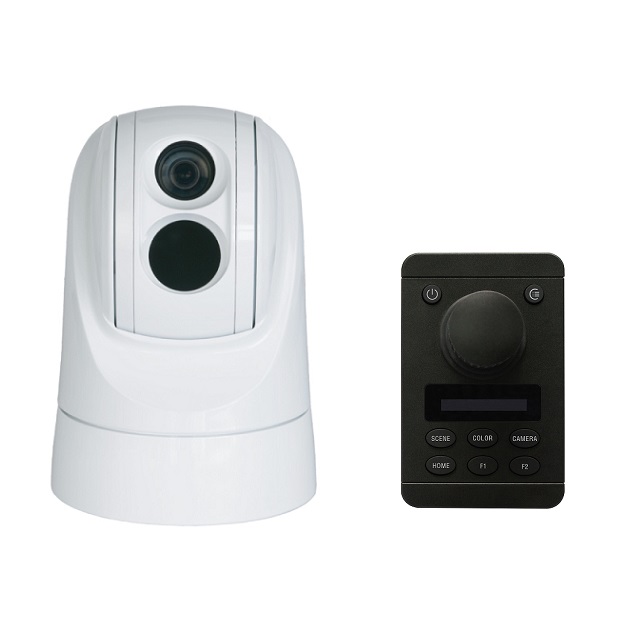
PATC F Series Maritime Dual PTZ Camera


Key Takeaways

  • Use both visible light and thermal cameras for full safety on the water. This mix helps you see in any weather, day or night.
  • Thermal PTZ cameras work well in darkness and fog. They let you see heat from boats, people, and things that visible light cameras might not show.
  • Buying a dual PTZ camera system makes you more aware of what is around you. You can always watch your area and stay away from danger.
  • A marine control keyboard helps you act faster. It lets you change views and zoom in on key spots during emergencies.
  • Regular care is very important for camera systems. Keep them safe from saltwater and bad weather so they work well for a long time.

Visible Light Camera Limitations

Lighting Dependency

Visible light cameras need light to take pictures. They work best when there is sunlight or bright lights. On boats, the light changes a lot. At night or during storms, cameras have trouble showing clear images. Even Nightwave cameras cannot see in total darkness or thick fog.

Lights on boats can change how fish and sea animals act. Some studies say different colors of light make fish swim away. This makes it harder to see them with your camera. Even red light can make fish leave the area.

  • Visible light cameras need light around them, so they do not work well in darkness, fog, heavy rain, or smoke.
  • These cameras cannot show things that look like their background.
  • Fast movement in low light can make the picture blink or freeze.


Night and Fog Challenges

At night or in thick fog, visible light cameras lose their power. They cannot see through fog or darkness because they need light to make pictures. Near-infrared cameras help a little, but they still have limits. You may only see black and white pictures, and the distance is short. In these times, a Thermal PTZ Camera can see heat from boats, people, or things. It gives you a clear view when visible cameras cannot.


Cost and Integration

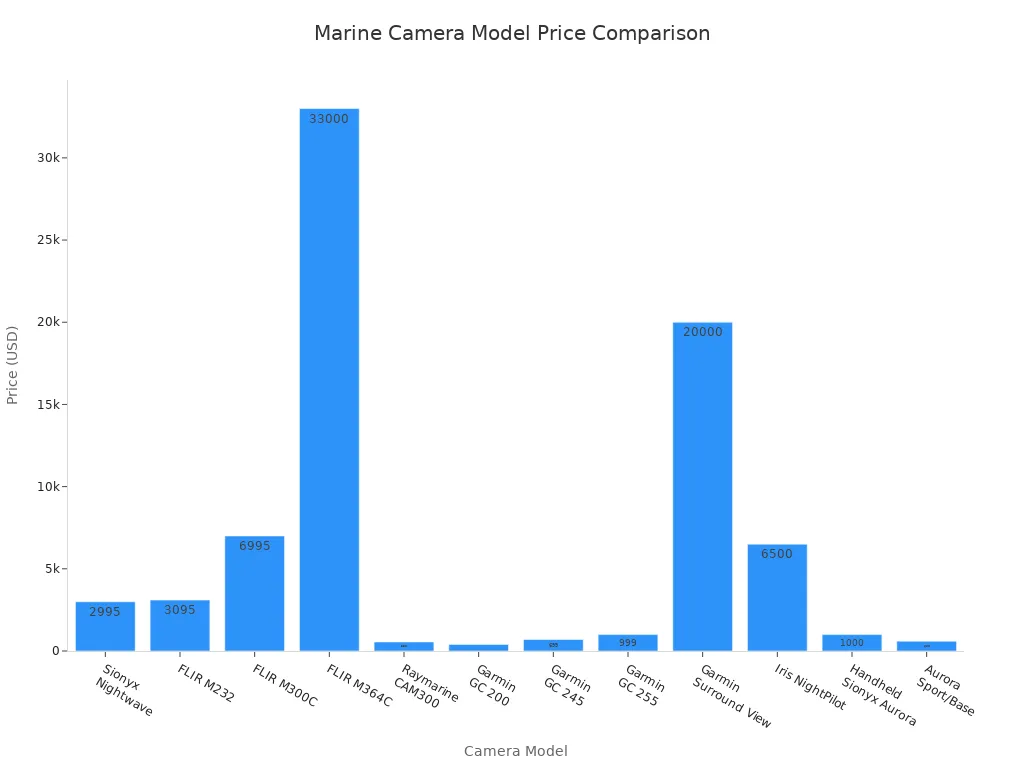
Adding visible light cameras to your boat costs money. Basic models cost a few hundred dollars. Advanced systems with pan, tilt, and zoom can cost tens of thousands. You also need extra equipment, like a marine control keyboard, to use the cameras easily.

Camera Model Price Features
Sionyx Nightwave Digital (IP/PoE model) ~$2,995 Internal encoder hardware, PoE interface
FLIR M232 (thermal pan/tilt) $3,095 Pan and tilt, joystick control pad extra
FLIR M300C (low-light 1080p with zoom, pan/tilt) ~$6,995 High-end features
Raymarine CAM300 mini camera ~$500–$600 Part of AR package
Garmin GC 200 (older IP cam) ~$399 Basic features
Garmin Surround View 6-cam system ~$20,000 Factory install only

Bar chart comparing prices of various marine camera models

You also face problems when adding cameras. Saltwater can make metal parts rust. Waves can let water get inside the camera. Extreme heat or cold and movement can make cameras shake. Many systems use strong designs and parts that can be changed. This helps cameras work in tough places, but you still need to plan for these problems.


Thermal PTZ Camera Advantages

Visibility in Darkness

You need to see well at night to stay safe. Winsafecctv Thermal PTZ Camera uses infrared to find heat from things. This helps you see people, boats, and objects when it is dark. The camera shows warm things as bright shapes on cooler backgrounds. You can spot boats and people even in total darkness. The M1-D marine infrared camera uses a FLIR thermal sensor. It gives you clear pictures at night and helps you steer safely. This technology helps you know what is around you and lowers risks at night.


Performance in Fog and Haze

Fog and haze make visible light cameras hard to use. A Thermal PTZ Camera keeps your view clear in these conditions. Fog does not block thermal radiation like it blocks light. You can see through fog better with thermal imaging. The camera works well in haze because weather changes do not affect it much. You can spot objects and boats even when fog is thick. How well it works depends on fog thickness and temperature differences, but you still see more than with regular cameras.

  • Thermal PTZ Camera keeps your view clear in fog and haze.
  • You can find things that visible light cameras miss.
  • The system helps you avoid crashes and keeps your boat safe.


Heat Detection for Rescue

You must move fast in emergencies. A Thermal PTZ Camera helps you find people in water or on land by seeing their heat. In 2020, firefighters in California used this camera to find a lost hiker in thick fog. The camera can spot people, animals, and boats that are hard to see with other cameras. Augmented Reality makes things easier by showing AIS info and color-coding boats. You can spot dangers like fishing floats, icebergs, and containers that radar or AIS may miss. This makes rescue work better and fills blind spots in your marine thermal imaging system.

Tip: Use your Thermal PTZ Camera with a marine control keyboard for quick changes and better control during rescue missions.


PATC IP HD SDI Dual Lens Thermal Imaging PTZ Cameras

Dual PTZ Camera Benefits

24/7 Situational Awareness

You always need to see what is around your boat. A dual PTZ camera system helps you do this. It gives you both visible light and thermal images. This means you can see in the day and at night. The cameras can turn all the way around. You will not have any blind spots. You can watch for other boats, things floating, or people in the water.

Here is how a dual PTZ camera system helps you stay alert:

Feature Description
Continuous Rotation You can turn the camera and see everywhere.
Stabilization The camera keeps pictures clear, even if the boat moves.
Harsh Weather Operation The system works in rain, fog, or storms.
Long-range Detection You can see things far away, even over 50 kilometers.
MIL-SPEC Standards The cameras are strong and last a long time.
Day/Night Capability You can see well in sunlight or darkness.
Integration You can use the system on any kind of boat.

You can trust your marine thermal imaging system in tough weather. You will not miss important things at night or in storms.


Enhanced Safety

You want everyone on your boat to be safe. A dual PTZ camera system helps you do this. You can spot dangers before they cause trouble. You can see small boats, logs, or people in the water. The thermal PTZ camera shows heat, so you find things regular cameras miss.

If you use a marine control keyboard, you can move the cameras fast. You can zoom in or switch between camera views. This helps you act quickly in emergencies. If someone falls in the water at night, you can find them faster. You can also avoid crashes because you see more around you.

Tip: Use both cameras together for the best results. The visible camera shows color. The thermal camera shows heat.


Operational Effectiveness

You need your equipment to work well and help you. A dual PTZ camera system makes your job easier. You get better tracking and faster response times.

Some systems, like the DS-180, have 30x zoom, 3-axis stabilization, and radar tracking. You can follow moving things and keep the picture steady. The GS200 has HD or 4K video, a strong case, and can show virtual reality overlays. These features help you see more and make smart choices.

With a dual system, you can:

  • Track boats or objects very well.
  • Record video to watch later.
  • Add radar or GPS data to your screen.
  • Use the system in any weather or light.

You get a full view of what is around you. You can solve problems faster and keep your boat safe. A marine thermal imaging system helps you see what single cameras cannot.


Marine Applications

Navigation in Adverse Conditions

Steering your boat in bad weather is hard. Fog, haze, and darkness make it tough to see. A dual PTZ camera system helps you handle these problems. The FLIR thermal sensor lets you see even when it is very dark. Thermal PTZ cameras show heat from boats, people, or things. Near-infrared technology helps you see through fog and haze. Infrared illumination, like ZLID™ technology, lets you see farther and clearer in low light. You get a full view all around your boat, which keeps you safer. You can dock your boat easily because you see clear video of everything nearby.

  • Thermal PTZ cameras find heat, so you can steer safely at night.
  • Near-infrared makes fog and haze less of a problem.
  • Marine thermal imaging systems help you avoid crashes and find safe paths.

Tip: Use your marine control keyboard to change views fast and move your cameras for better navigation.


Security and Monitoring

You need to keep your boat and area safe. Dual PTZ camera systems help you watch ports, coastlines, and borders. You can protect important places and keep an eye on your boat. These cameras let you spot trouble before it gets close. You can use them to guard the edge of your area and watch the shore.

Application Type Description
Port Security Watching and guarding ports
Coastal Security Checking coastlines for problems
Border Security Stopping people from crossing borders
Perimeter Security Protecting the edge of important places
Shoreline Security Watching the shore for safety
Maritime Security Keeping marine areas safe
Marine Security Guarding boats and marine places

You can record video and follow movements. This helps you act quickly in emergencies and keeps your boat safe.


Crew and Passenger Safety

You want everyone on your boat to be safe. Dual PTZ camera systems help stop crime by giving strong surveillance. You can watch what is happening and make sure rules are followed. Real-time video lets you see crew and visitors, so you know what is going on. You can use the video later if you need to check something.

  • You lower risks by watching work and safety rules.
  • You make the boat safer for everyone.
  • You reduce problems and make safety better.

Note: A marine thermal imaging system gives extra safety. You can see dangers that regular cameras miss and act fast to protect your crew and passengers.


You need a maritime dual PTZ camera system to keep your boat safe. When you use both visible light and thermal PTZ cameras, you fix many problems at sea:

  • You can see heat and color in darkness, fog, or smoke.
  • You find dangers faster and have fewer blind spots.
  • You get clear pictures for search and rescue jobs.
  • You use a marine control keyboard to move cameras quickly.
  • You save power and trust your marine thermal imaging system in any weather.

Buying dual PTZ cameras helps you protect your crew and make your boat safer for the future.


FAQ

What is a maritime dual PTZ camera?

A maritime dual PTZ camera gives you both visible and thermal views. You can see color images and heat signatures. This camera helps you spot dangers in any weather or light.

How does a thermal PTZ camera help at night?

A thermal PTZ camera detects heat from boats, people, or objects. You can see in total darkness. This camera keeps you safe when your eyes or regular cameras cannot.

Why should you use a marine control keyboard?

You use a marine control keyboard to move your cameras quickly. You can zoom, pan, or switch views fast. This tool helps you respond to emergencies and track moving objects.

What makes a marine thermal imaging system important?

A marine thermal imaging system lets you see through fog, smoke, or darkness. You find hidden dangers and rescue people faster. This system gives you better safety and awareness on the water.


阅读全文......

Why the PATC F Series Thermal PTZ Camera Is Ideal for Challenging Sea Conditions

You demand reliable technology to secure your vessel and navigate unpredictable waters. The PATC F Series thermal ptz camera stands out as your premier solution. You benefit from its dual payload system, which delivers clear visuals in any lighting. Its rugged design resists corrosion and extreme weather. Advanced tracking and stabilization features ensure that you maintain control and situational awareness, even during the roughest sea conditions.


Key Takeaways

  • The PATC F Series thermal PTZ camera offers high-resolution thermal imaging, ensuring clear visuals in darkness, fog, or heavy rain.

  • Its dual payload system allows seamless switching between thermal and optical views, enhancing navigation and security in all conditions.

  • Advanced radar integration and target tracking provide real-time data, improving situational awareness and threat detection at sea.

  • The rugged design, featuring anti-corrosive aluminum housing and IP67 weatherproof protection, ensures durability in harsh marine environments.

  • Digital stabilization technology keeps images steady, allowing for accurate monitoring even in rough sea conditions.


Thermal PTZ Camera Imaging Performance


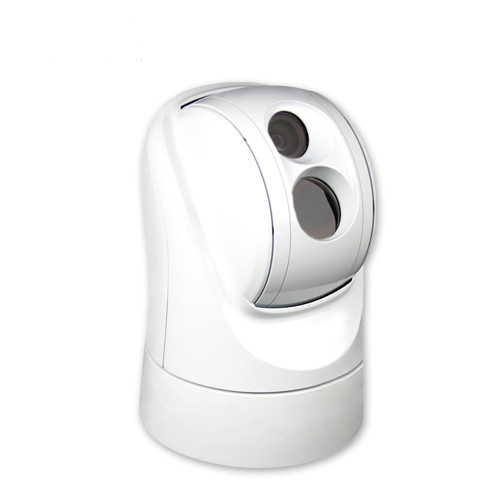
PATC F Series Thermal PTZ Camera

High-Resolution Thermal Sensors

You rely on clear visuals to make critical decisions at sea. The PATC F Series thermal ptz camera uses advanced thermal imaging technology to deliver unmatched clarity, even in the most challenging conditions. You benefit from high-resolution sensors that capture detailed images in darkness, fog, or heavy rain. The camera’s uncooled thermal core ensures you receive continuous thermal images at a fast frame rate, so you never miss important details.


Here is a summary of the technical specifications that set this system apart:

Feature

Specification

Sensor Type

Uncooled thermal core

Resolution

640x480 / 384x288

Frame Rate

25Hz / 30Hz

Additional Features

Clear and continuous thermal images

Zoom Module

Integrated HAD 28X zoom module

PTZ Precision

±0.05

Weatherproof Rating

IP67

Operating Temperature Range

-45°C to 55°C

You gain a significant advantage from the camera’s high thermal sensitivity. This feature allows you to detect subtle temperature differences, which is essential for identifying vessels, obstacles, or people in the water. The detection range of the thermal imaging cameras ensures you can monitor wide areas and respond quickly to any situation. You can trust this security camera to deliver reliable performance, no matter the weather or time of day.


Dual Payload for Day and Night

You face unpredictable lighting and visibility at sea. The dual payload system in the PATC F Series combines thermal and daylight imaging, giving you the flexibility to adapt to any situation. You can switch seamlessly between thermal and optical views, which enhances your ability to navigate and maintain security around the clock.

Tip: Use the dual payload feature to maximize your detection range during night operations or in foggy conditions.


You experience several key benefits with this dual payload system:

  • You achieve all-weather visibility by combining daylight and thermal imaging technology.

  • You support advanced tracking and detection, which improves your situational awareness.

  • You enhance safety during night operations or emergencies, when visibility is limited.

  • You gain a versatile solution suitable for commercial, law enforcement, and large vessels.

The dual payload system proves its value in demanding maritime tasks. You can navigate safely in low visibility, monitor for security threats, and support search and rescue operations. The thermal ptz camera enables you to detect obstacles, vessels, or individuals in the water, even when darkness or fog would defeat standard cameras. You maintain control and confidence, knowing your ptz system delivers continuous, high-quality imaging in every condition.

 Dual Payload Thermal Maritime

PTZ Tracking and Control

Radar Integration and Target Tracking

You need more than just clear visuals at sea. You require a system that actively tracks and identifies potential threats. The PATC F Series ptz camera delivers this advantage through advanced radar integration and target tracking. You connect the camera to your vessel’s radar using the NMEA0183 protocol. This integration allows the ptz system to receive real-time data and automatically track moving targets based on your current position.


You gain a comprehensive operational picture by combining radar with thermal imaging cameras. This fusion of sensor data, satellite imagery, and open-source intelligence gives you a structured understanding of your maritime environment. AI-driven analytics expose hidden activities, so you can make informed decisions quickly. With radar tracking, you achieve:


  • Situational awareness: You understand current conditions at sea.

  • Threat awareness: You identify potential risks before they escalate.

  • Response awareness: You determine the best actions for each situation.


You benefit from rapid collection and dissemination of information about emerging threats. The layered approach to monitoring and protecting your vessel supports effective and dynamic responses. You rely on the ptz system’s powerful target recognition and thermal sensitivity to detect vessels, obstacles, or people, even in low visibility. This capability extends your detection range and enhances your security camera’s effectiveness.


Pan-Tilt-Zoom Precision

You demand precise control when monitoring wide maritime areas. The PATC F Series ptz camera provides fast and accurate pan-tilt-zoom movement. You can sweep large sectors or focus on specific targets with ease. The system supports both coarse and fine control, allowing you to adjust quickly or make subtle corrections as needed.

Movement Type

Range

Control Type

Pan

540°

Coarse & Fine Control

Tilt

260°

Coarse & Fine Control

You experience seamless operation, whether you use the optional maritime keyboard controller or the intuitive on-screen display menus. These user-friendly controls simplify navigation and management of complex ptz systems. You improve operational efficiency, as the interface allows you to log data and receive real-time feedback. This optimization helps you reduce fuel consumption and streamline your workflow.


You rely on the ptz camera’s thermal imaging technology and advanced pan-tilt-zoom features to maintain continuous surveillance. The system’s detection range and thermal imaging cameras ensure you never lose sight of important details. You stay in control, even in rough seas or during night operations.

Tip: Use the pan-tilt-zoom controls to scan large areas quickly, then zoom in for detailed inspection when you spot a potential threat.

You trust the PATC F Series ptz system to deliver reliable performance and unmatched clarity. The combination of radar integration, powerful target recognition, and user-friendly controls makes this thermal ptz camera an essential tool for maritime professionals.


Rugged Marine Design

Anti-Corrosive Aluminum Housing

You operate in an environment where saltwater, humidity, and harsh chemicals constantly threaten your equipment. The PATC F Series uses an anti-corrosive aluminum housing that stands up to these challenges. Unlike standard metals, this housing resists pitting and surface breakdown, which often compromise traditional marine camera housings. You benefit from a design that prevents seal fatigue and galvanic corrosion, extending the lifespan of your investment.

  • Engineered plastics, FRP/GRP composites, and coated metals provide superior resistance to harsh marine conditions compared to standard metals.

  • Stainless steel can corrode in chloride-rich environments, especially at seams and fasteners, but the PATC F Series avoids these weaknesses.

  • Corrosion-resistant housings can last for years or even decades, outlasting many aluminum or stainless steel options.

You can trust your thermal imaging cameras to deliver reliable performance, even after years of exposure to the sea. This robust construction ensures your system remains operational when you need it most.


IP67 Weatherproof Protection

You face unpredictable weather at sea. The PATC F Series offers IP67 weatherproof protection, which means your camera withstands heavy rain, salt spray, and even temporary submersion. You do not have to worry about water ingress or dust affecting your thermal imaging cameras. This level of protection ensures your equipment operates in extreme weather, from freezing cold to intense heat.


Your thermal ptz camera maintains its detection range and image quality, regardless of the conditions. The rugged design supports thermal imaging technology that keeps you aware of your surroundings. You can rely on your thermal imaging cameras to provide a consistent detection range, whether you encounter storms, fog, or rough seas.

Note: The combination of anti-corrosive housing and IP67 protection gives you peace of mind during every voyage.


Image Stabilization and Clarity


Thermal PTZ Camera


Digital Stabilization Technology

You operate in unpredictable sea conditions where vessel movement can disrupt your view. The PATC F Series ptz camera uses advanced digital stabilization technology to keep your images steady. This system works through a series of steps that ensure you receive clear visuals, even when your vessel rocks or pitches.

  • The digital stabilization process starts with motion estimation. The ptz camera analyzes changes between frames using models such as translation, affine, and similarity.

  • Next, motion smoothing comes into play. Filters like the Kalman filter or Gaussian low-pass filter reduce unintended motion, so your ptz system delivers a smooth video feed.

  • Finally, image warping adjusts the image plane, producing a stabilized output that you can rely on for accurate monitoring.

  • IMU sensors, which combine accelerometers and gyroscopes, enhance the ptz camera’s ability to track and compensate for movement.

You benefit from reliable stabilization that ensures crisp, clear imaging in any sea conditions. This feature is essential for high-performance vessels, emergency responders, and commercial shipping. You gain safer and more effective navigation, as your ptz system maintains a consistent detection range regardless of the weather.


Image Freeze and Enhancement

You often face fog, rain, or night conditions that challenge your ability to see details. The PATC F Series ptz camera offers image freeze and enhancement features that help you analyze critical moments. When you activate image freeze, you can pause both thermal and optical views, allowing you to inspect specific details without losing situational awareness.


Low-light image enhancement technology improves image quality in poorly lit environments. This technology reduces noise, restores detail, and increases contrast, making it easier for you to recognize objects and people. The ptz system’s enhancement algorithms outperform traditional methods, especially in foggy or hazy conditions.

Method

Performance in Fog/Rain/Night

Observations

DDCGAN

Poor

Produces fuzzy and dark outputs.

IFCNN

Limited

Black spot artifacts compromise image quality.

STDFusion

Limited

Shows limited effectiveness in haze removal.

PSFusion

Better

Maintains brightness and detail but falls short compared to our method.

Proposed Method

Superior

Extracts detail and enhances image quality in low-light and foggy conditions.

You rely on the ptz camera’s image freeze and enhancement features to extend your detection range and maintain clarity. These capabilities ensure that your thermal imaging cameras deliver the performance you need for maritime operations, no matter the environment.

You gain a powerful advantage with the PATC F Series. This long range thermal camera delivers advanced imaging, precise PTZ tracking, and marine-grade durability. You improve your vessel’s security, surveillance, and navigation in the harshest sea conditions. Trust this system to provide reliable performance and safety on every voyage. Consider the PATC F Series as your essential tool for challenging maritime environments.


FAQ

What makes the PATC F Series ptz camera suitable for marine environments?

You get a ptz camera with anti-corrosive aluminum housing and IP67 weatherproof protection. This design resists saltwater, rain, and extreme temperatures. You can rely on your ptz system for consistent performance during every voyage.

How does the ptz camera improve navigation in low visibility?

You use high-performance thermal imaging and a powerful ptz system to see through darkness, fog, and rain. The dual payload lets you switch between thermal and optical views. You maintain awareness and safety, even when visibility drops.

Can you control the ptz camera remotely?

You operate the ptz camera using an optional maritime keyboard controller or intuitive on-screen menus. You can pan, tilt, and zoom with precision. You adjust your ptz system quickly to track targets or scan wide areas.

Does the ptz camera integrate with vessel radar systems?

You connect the ptz camera to your vessel’s radar using the NMEA0183 protocol. This integration allows your ptz system to receive real-time data and track moving targets automatically. You enhance your situational awareness on the water.

What features help stabilize the ptz camera image at sea?

You benefit from digital stabilization technology built into the ptz camera. This system compensates for vessel movement and rough conditions. You receive steady, clear images for accurate monitoring and decision-making.


阅读全文......