In commercial architecture, a magnetic track lighting system is rarely judged at the moment of installation.
At that stage, everything looks stable — the magnetic track light modules align cleanly, the ceiling remains minimal, and the lighting output appears perfectly balanced.
But real performance is only revealed inside commercial lighting projects after months of continuous use.
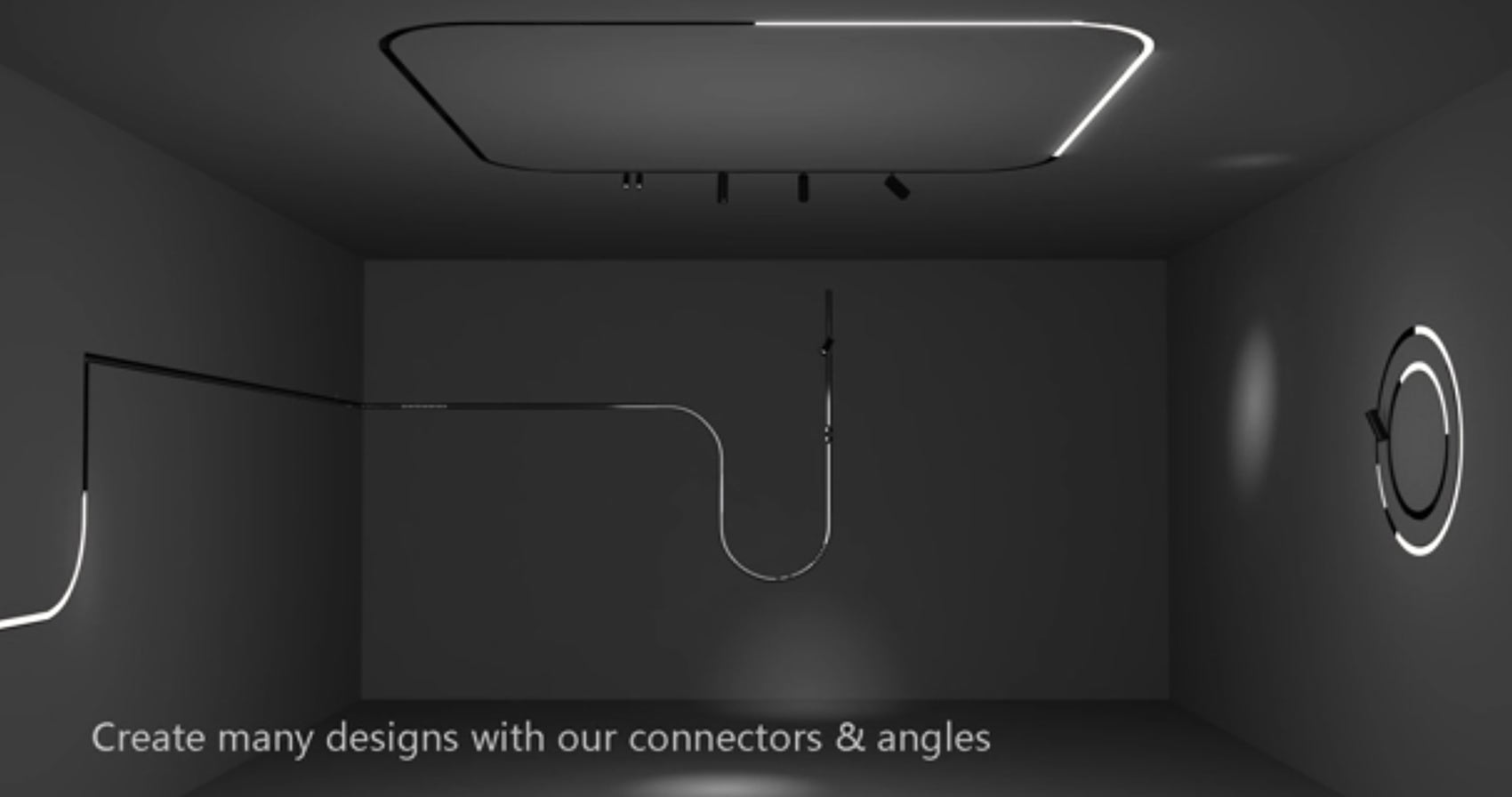
When a magnetic track lighting system becomes part of daily space operation
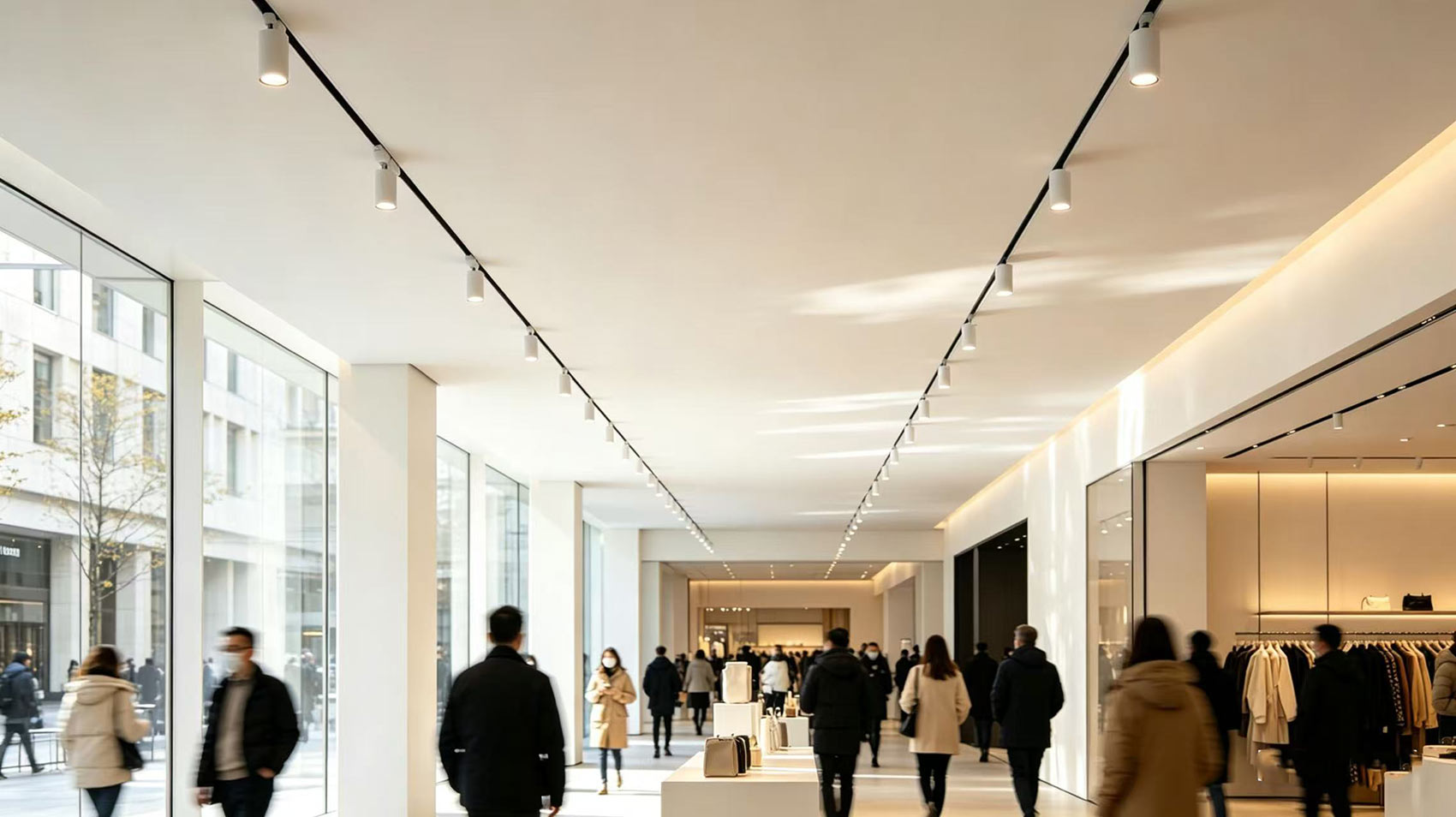
In retail stores, hotels, and galleries, a magnetic track lighting system is not static.
The lighting layout is adjusted as the space changes.
A magnetic track light that highlights a display today may be moved tomorrow for a new collection. In hotel environments, lighting scenes are adjusted for different atmospheres without changing the ceiling structure.
This is where system behavior begins to matter more than initial design.
Long-term behavior inside a magnetic track light system
At installation stage, most magnetic track lighting systems perform similarly.
Over time, differences appear not in brightness, but in consistency.
Modules on the same magnetic track light line may begin to respond slightly differently after repeated repositioning cycles.
Some remain firm and stable after many adjustments. Others show subtle variations in connection feel or light consistency.
These changes are not failures. They are part of how a system reacts to real architectural lighting usage.
Thermal behavior in commercial lighting systems
Inside modern architectural lighting systems, heat does not appear as an immediate problem.
It builds gradually.
In a magnetic track lighting system used in commercial ceilings, multiple magnetic track light modules may operate continuously for long hours.
Over time, thermal distribution becomes uneven:
- clustered magnetic track light modules run warmer
- isolated modules age more slowly
- brightness consistency begins to shift slightly across zones
This behavior is often only noticed after long-term operation in real commercial lighting projects.
Why different commercial spaces create different results
A magnetic track lighting system behaves differently depending on the environment.
| Commercial space type | Lighting behavior | Long-term effect |
| Retail lighting design | frequent adjustment | mechanical wear becomes visible |
| Hotel lighting system | long operating hours | thermal aging dominates |
| Gallery lighting system | directional changes | connection variability appears |
| Office lighting design | stable layout | most consistent performance |
Magnetic track lighting system connection behavior
The most sensitive part of any magnetic track lighting system is the connection interface between the magnetic track light and the track itself.
Each time a module is repositioned, the system re-engages.
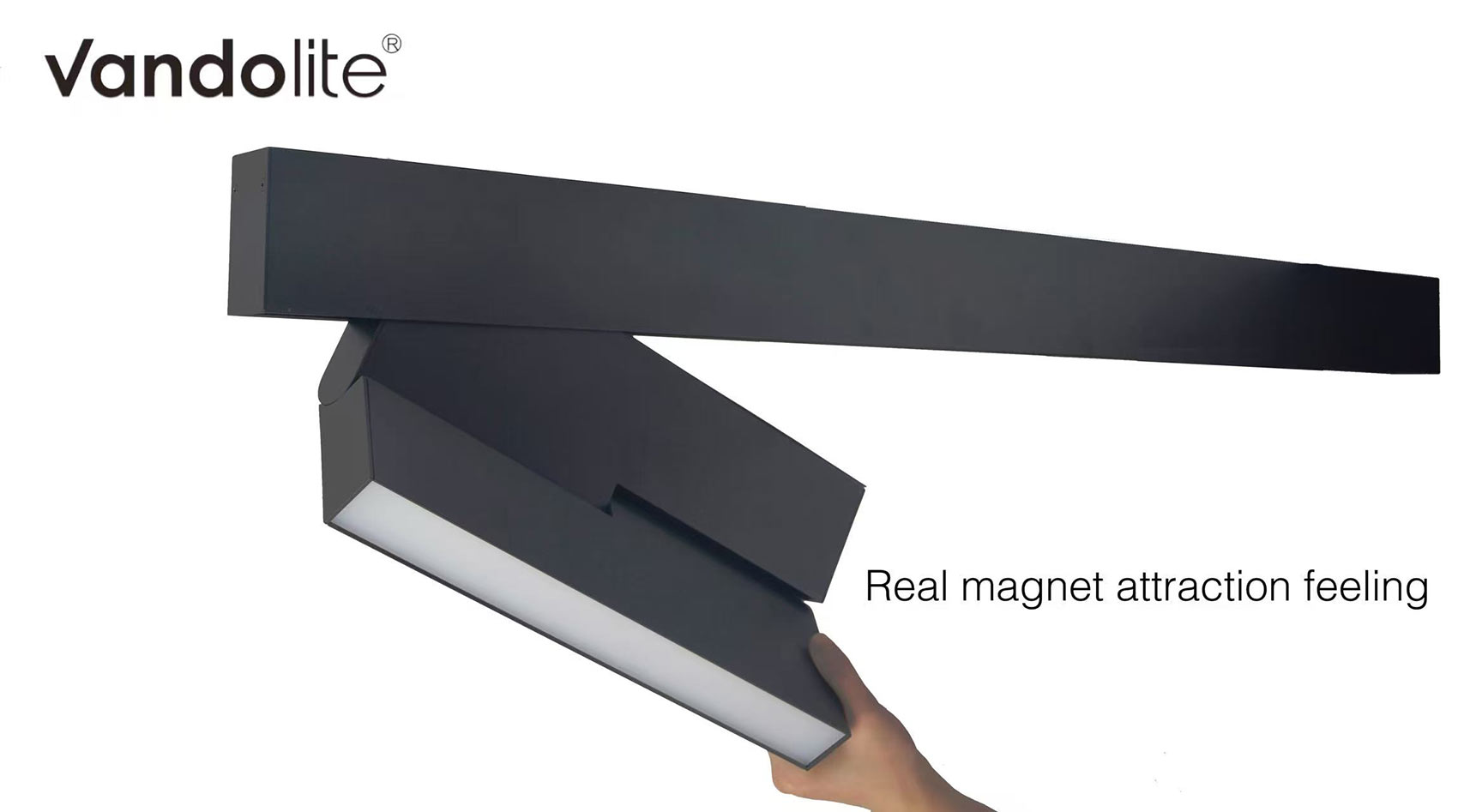
In well-engineered systems, this process remains consistent even after repeated cycles in commercial lighting applications.
In less stable systems, small variations begin to appear over time — not visible immediately, but noticeable in long-term architectural lighting performance.
Maintenance behavior in commercial lighting projects
In real commercial lighting projects, maintenance is not always planned at installation stage.
It happens when issues become visible.
A flexible magnetic track lighting system allows easier module replacement, which leads to more frequent maintenance intervention.
This directly influences long-term performance:
- faster correction of small issues
- reduced accumulation of performance deviation
- more stable lighting consistency over time
Systems that are harder to access tend to accumulate small deviations instead of correcting them early.
Design decisions behind a magnetic track lighting system
Many long-term behaviors of a magnetic track lighting system are determined before installation.
Key factors in architectural lighting design include:
- magnetic track layout density
- magnetic track light distribution
- power segmentation strategy
- zoning design in commercial lighting projects
These decisions define how load, heat, and usage are distributed across the system.
What remains visible after long-term operation
After extended use in real commercial lighting environments, a magnetic track lighting system does not just show lighting output.
It shows usage behavior.
Some systems maintain uniform performance even after frequent interaction in architectural lighting applications.
Others gradually show variation across identical magnetic track light modules.
The difference is not immediate — it emerges through real operation inside commercial spaces.