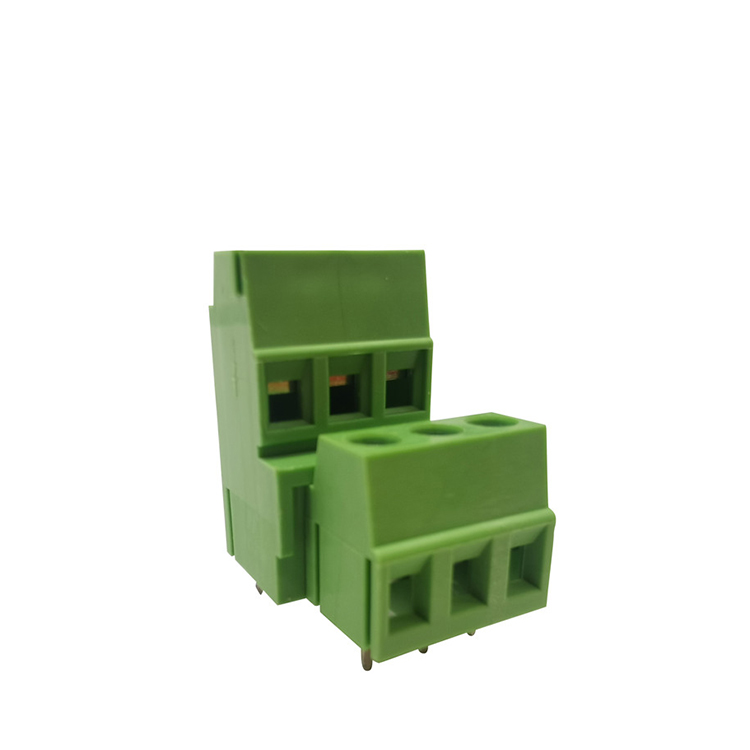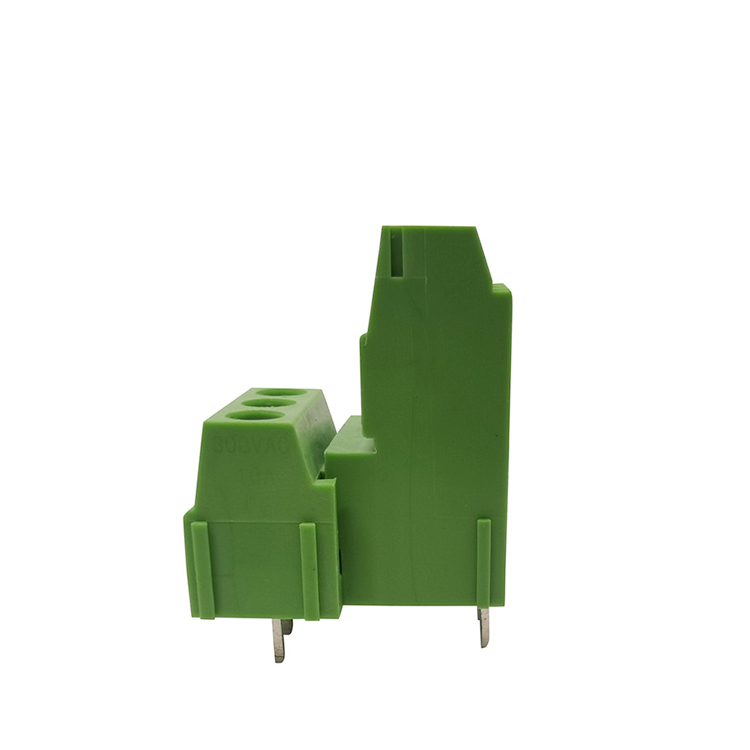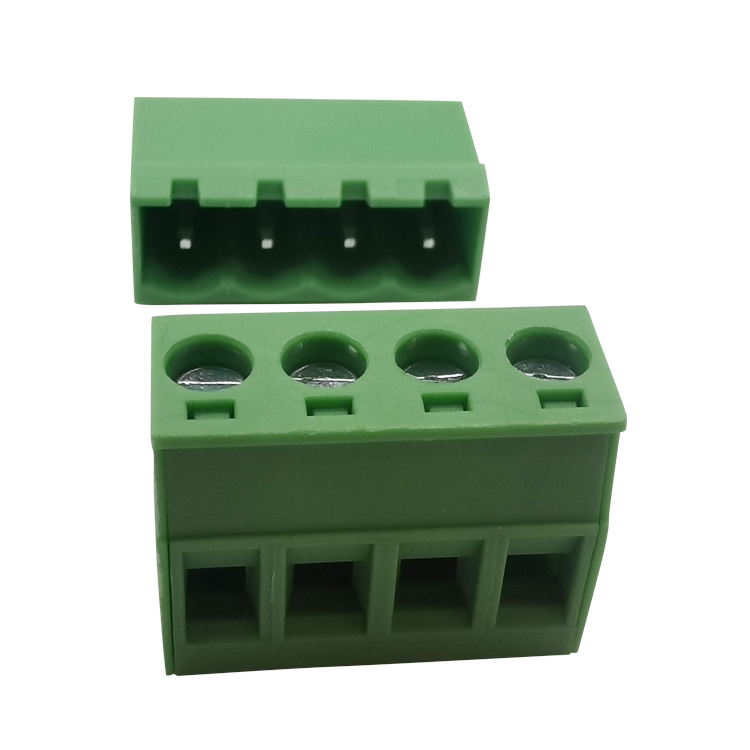
How to choose the right terminal blocks for your project? We provide an in-depth analysis of five key factors: current and voltage, installation method, environmental adaptability, material structure, and certification standards, to help engineers and purchasing personnel make precise selections and reduce failure rates and maintenance costs.
I. Matching Electrical Parameters: Current, Voltage, and Safety Margin
1. Rated Current
When selecting terminal blocks, it's crucial to consider not only the nominal current of the equipment but also peak current, long-term load, cable cross-sectional area, and the impact of ambient temperature. It is recommended to leave a 20%-30% current margin to ensure stable long-term operation.
2. Rated Voltage
Different applications have different voltage requirements: low-voltage control systems typically use 300V, industrial power systems often use 600V or higher, and new energy systems can reach 1000V. Creepage distance and electrical clearance design should also be considered.
II. Wiring Method Selection: Screw-type or Spring-type?
1. Screw Terminal Block
Suitable for high-current applications, such as power distribution cabinets and industrial control boxes, but requires regular inspection to prevent loosening.
2. Spring Terminal Block
Suitable for automation control systems and vibrating environments, offering maintenance-free and vibration-resistant advantages.
3. Pluggable Terminal Block
Suitable for PCB connections and modular designs, facilitating installation and maintenance.
III. Environmental Adaptability: Do Not Underestimate the Working Environment
When selecting connectors, working temperature, protection rating, and vibration conditions must be considered. For high-temperature environments, high-temperature resistant nylon (PA66) material is recommended. In dusty or humid environments, attention should be paid to the IP protection rating and corrosion resistance.
IV. Material and Structural Design: Determining Long-Term Stability
High-quality terminal blocks typically use copper or tin-plated copper conductors and insulation materials that meet the UL94 V-0 flame retardant rating. Oxidation and corrosion resistance directly affect long-term operational safety.
V. Certification and Compliance: A Crucial Aspect for Export Projects
Common international certifications include UL, CE, TUV, IEC, and RoHS. For export projects, certification not only affects customs clearance but also relates to project acceptance and legal compliance.
When selecting components, engineers should consider ease of maintenance, modular expandability, and inventory standardization. Proper terminal selection not only improves system stability but also reduces long-term maintenance costs. Stable connections are fundamental to reliable system operation; although small, terminal blocks are crucial connecting components in electrical systems. Correct selection can reduce failure rates, extend equipment lifespan, and enhance overall brand reliability.