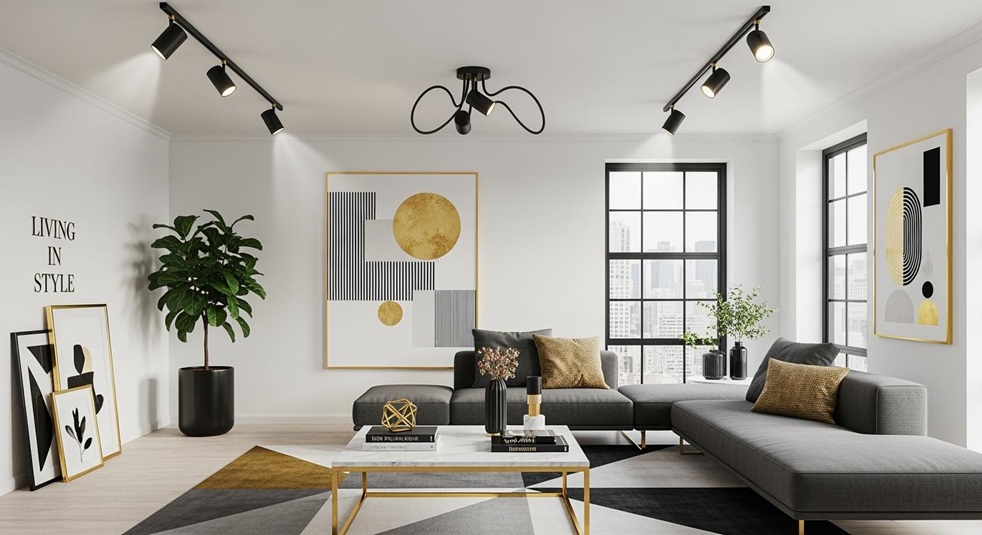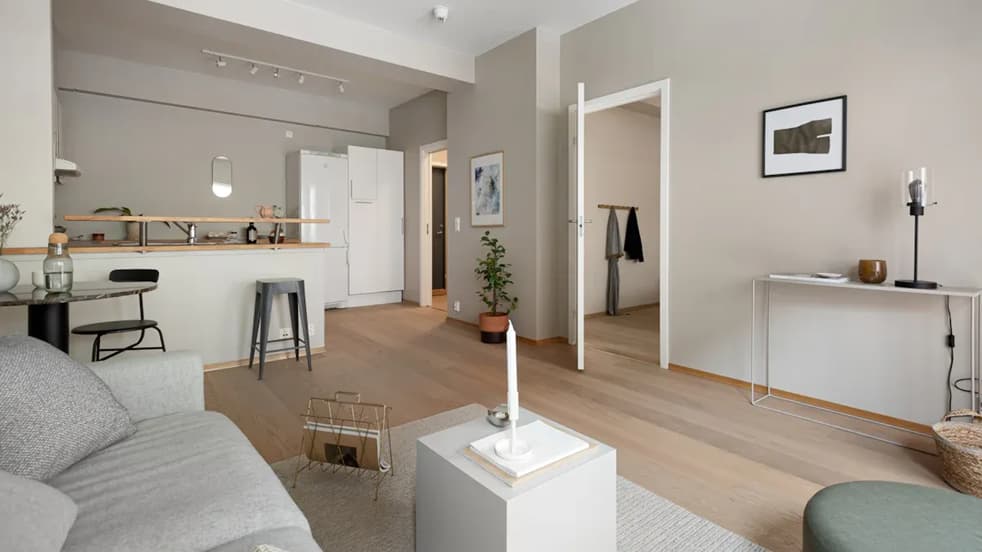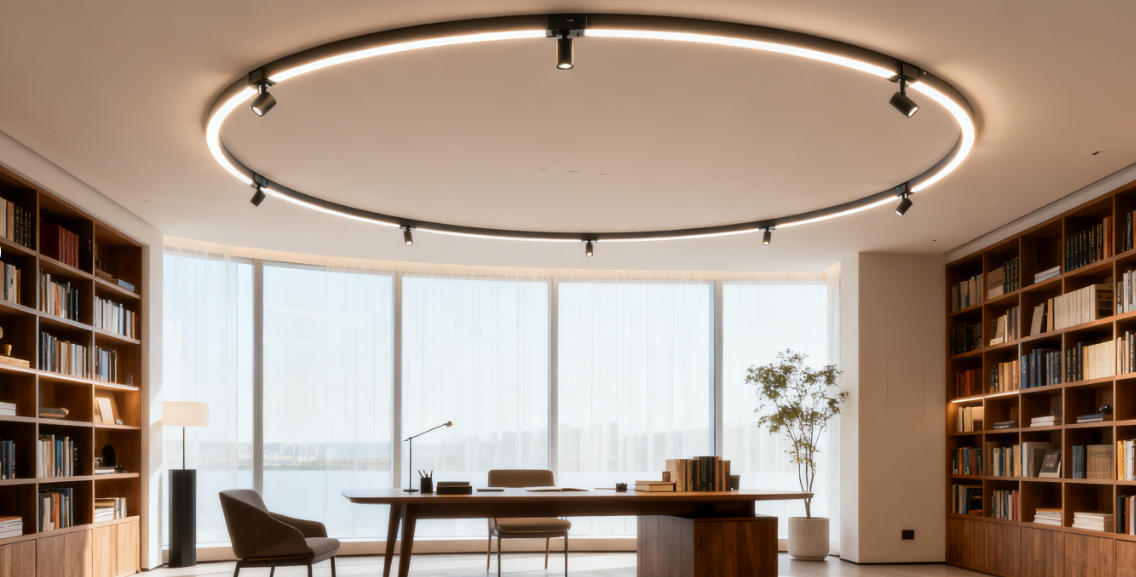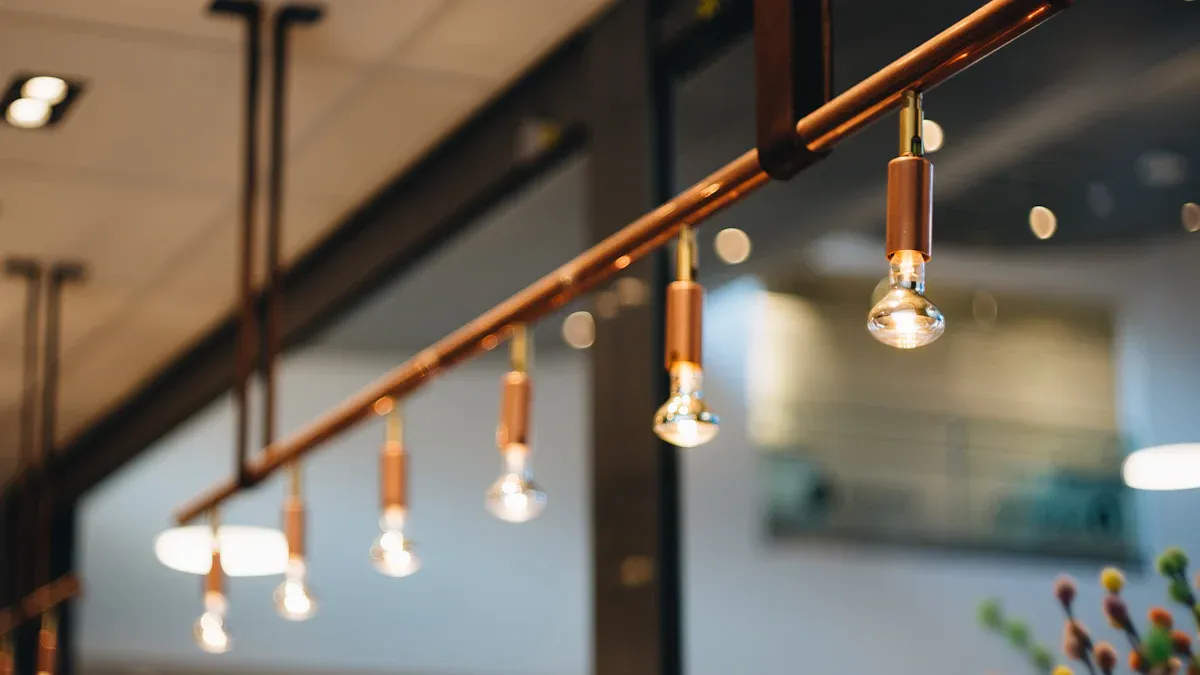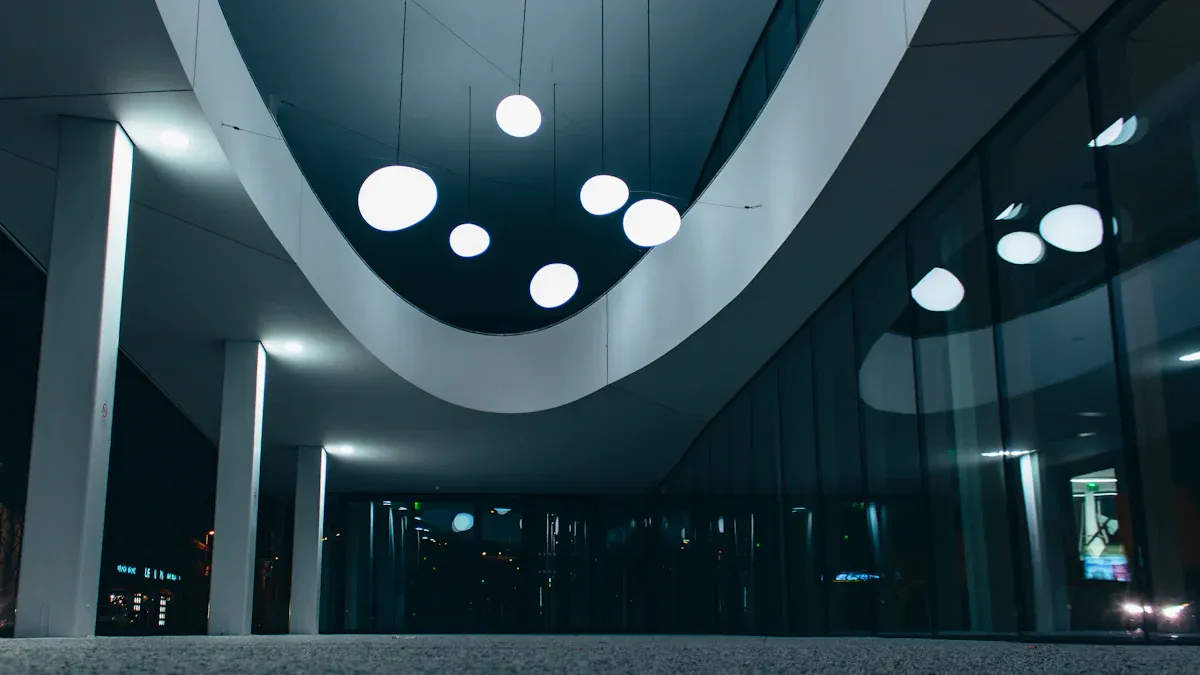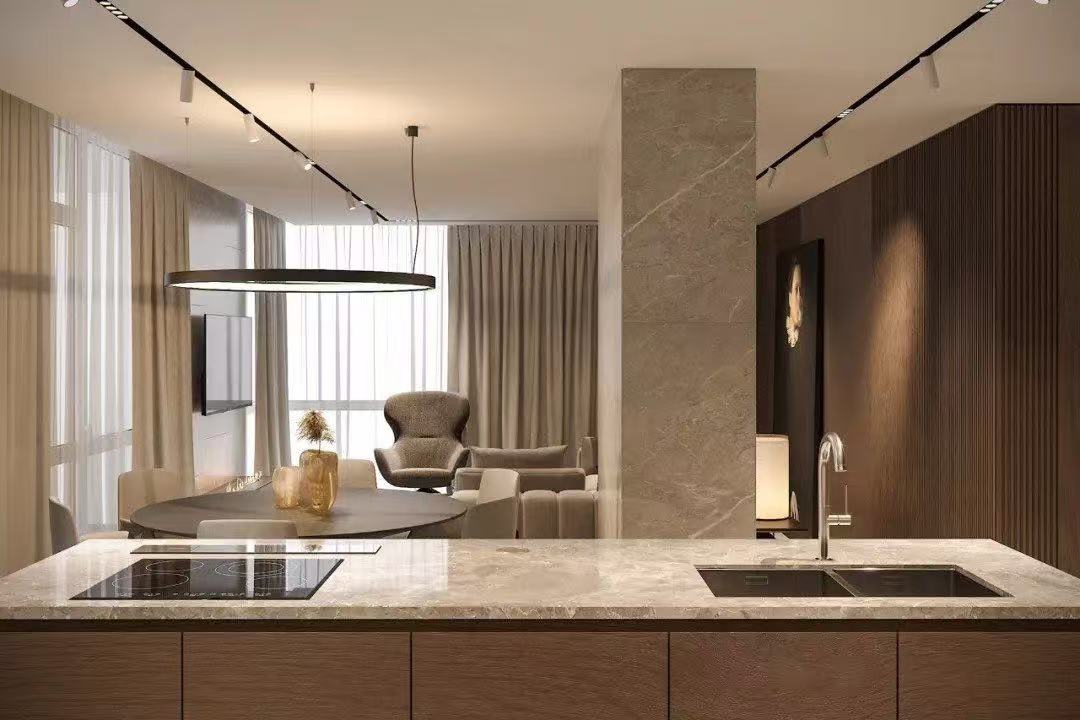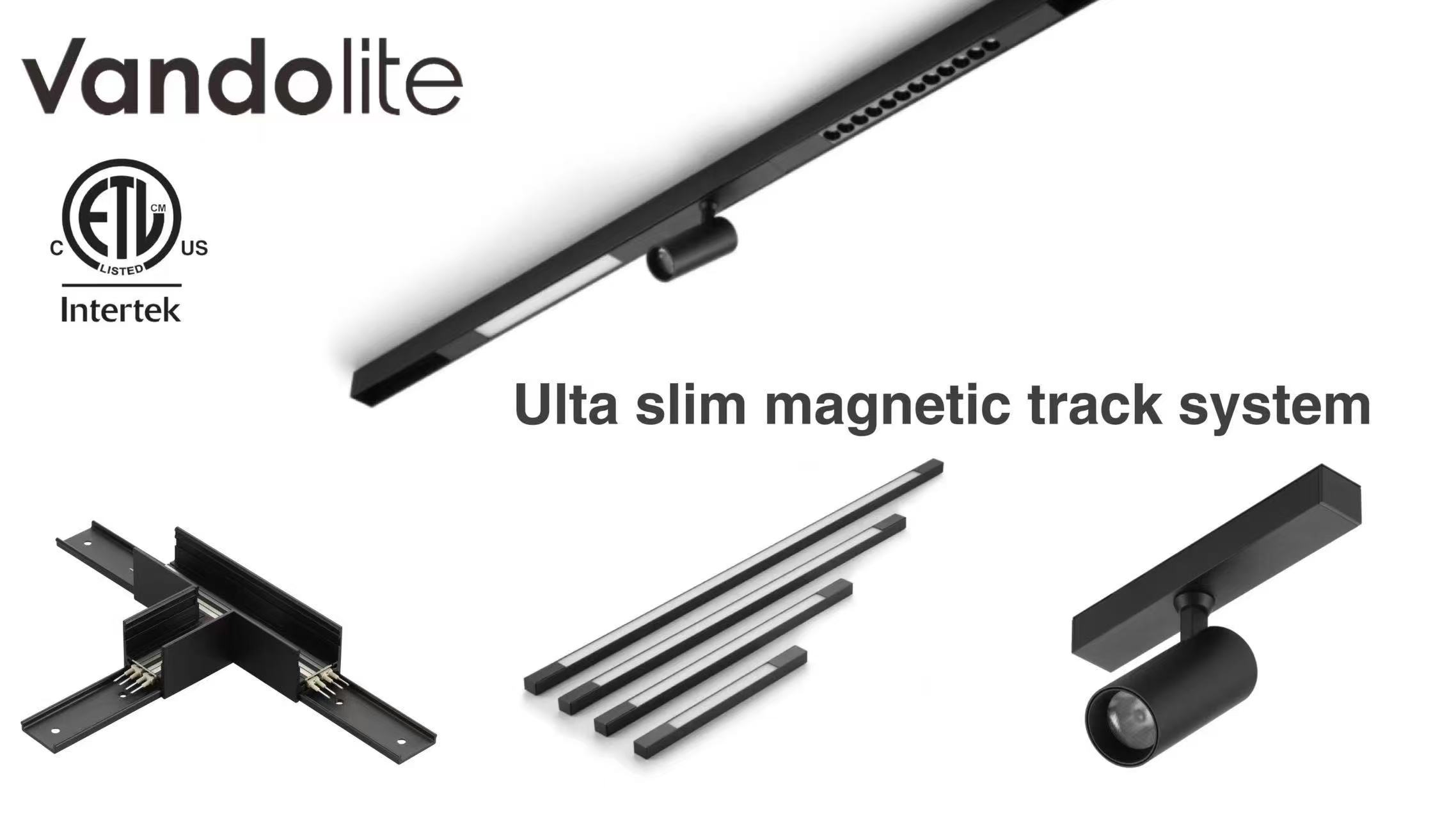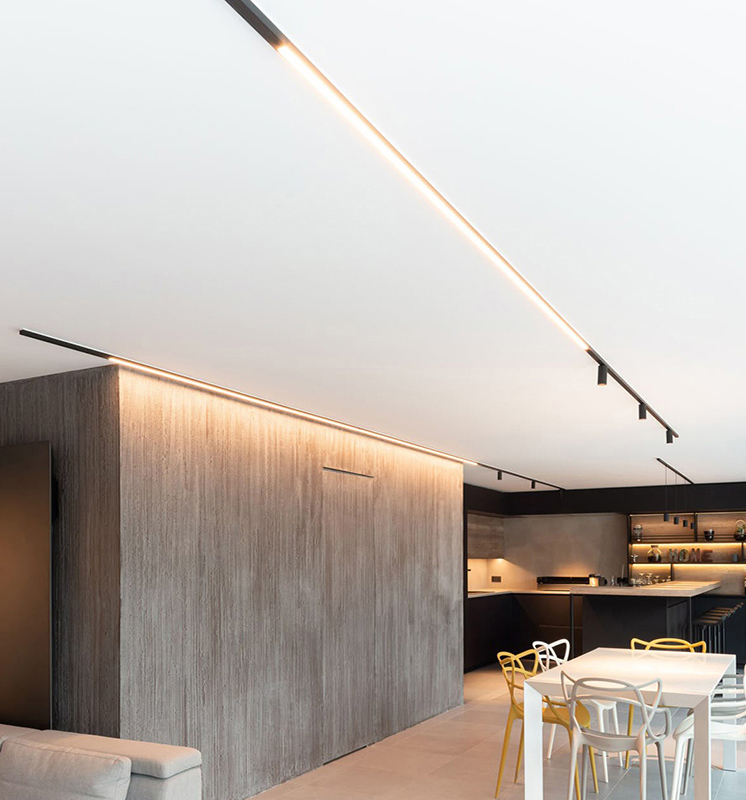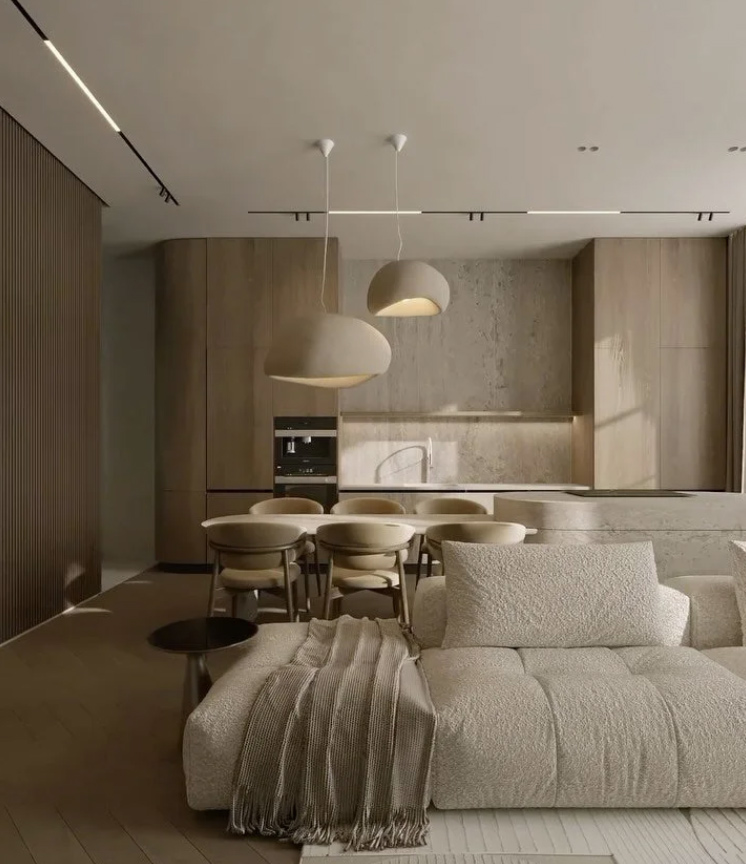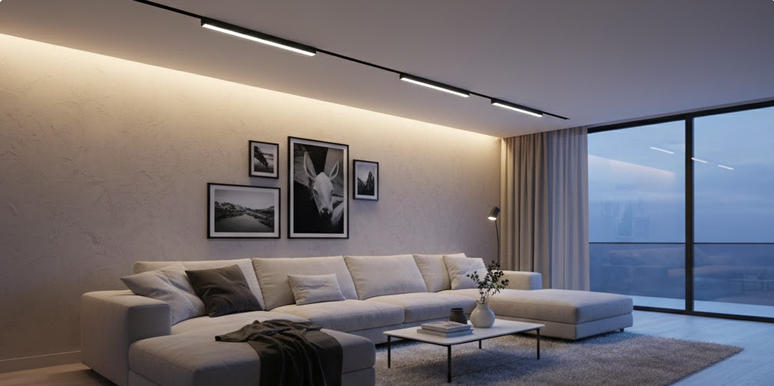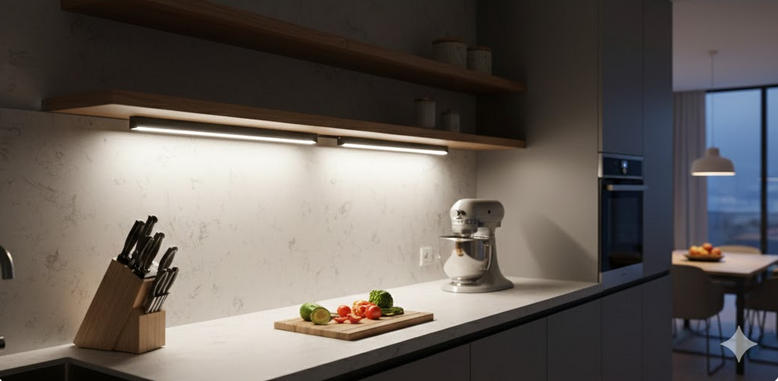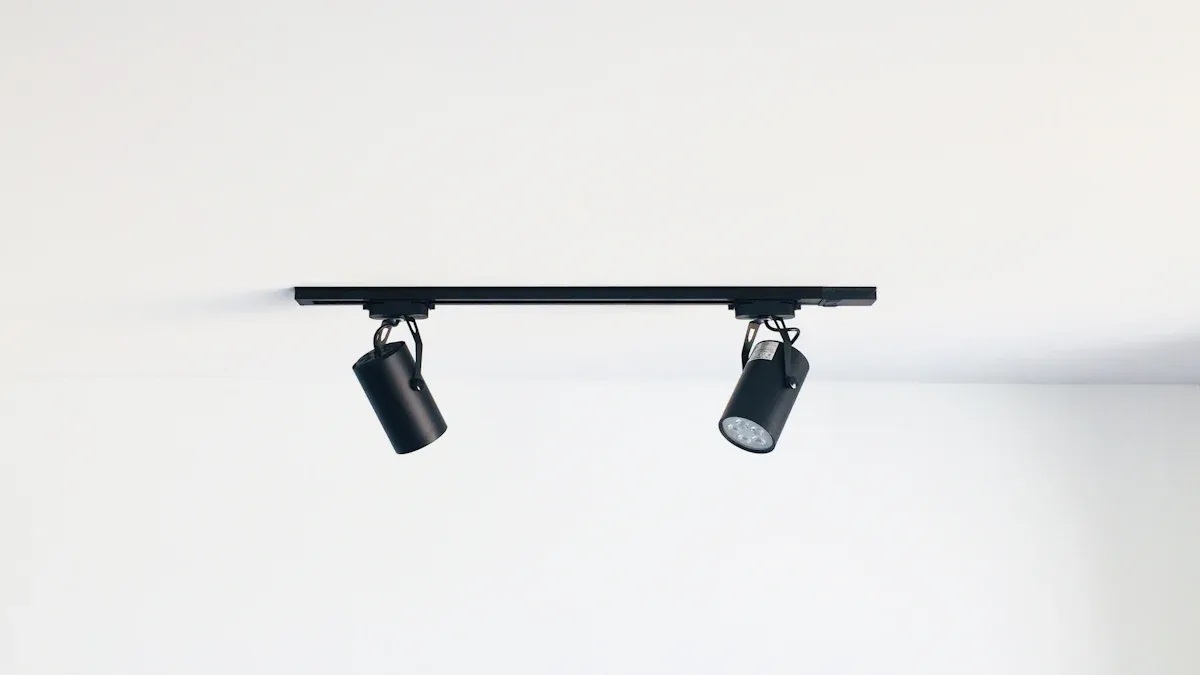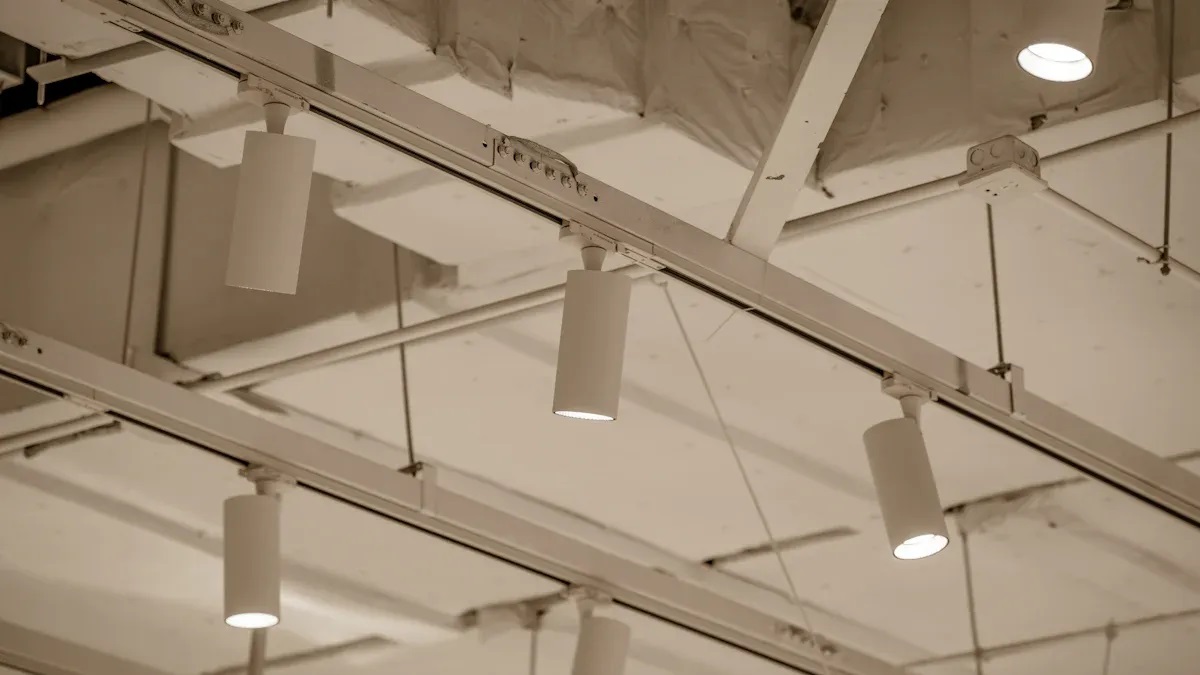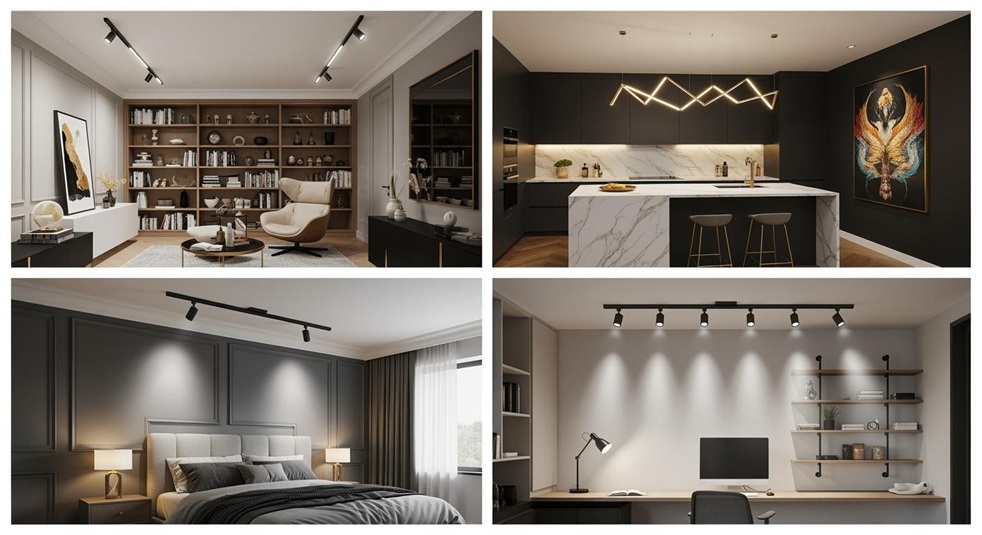
Ready to find new ways to change your home? Mini magnetic track light for display showbox lets you move lights where you want. You can make the room feel cozy or bright. The style is modern and looks nice. You can set up the lights for any mood or space. The lights are easy to change and fit your style.
-
Mini magnetic track lighting works with any look or style.
-
You can move the lights, change the length, and set them up for modern rooms.
|
Feature
|
Magnetic Track Lighting
|
Traditional Track Lighting
|
|
Initial Cost
|
Higher
|
Lower
|
|
Installation Cost
|
Lower
|
Higher
|
|
Energy Consumption
|
Lower
|
Higher
|
|
Maintenance
|
Minimal
|
Moderate
|
Use your ideas and make every room brighter. Track lighting helps you create a cool and modern look.
What Is Mini Magnetic Track Lighting?
Features and Benefits
Mini magnetic track lighting is special because it uses magnets. You can move the lights to any spot you want. This gives your room a modern look. You can set up the lights in many ways. Here are some things you will like:
-
Low voltage makes your home safer.
-
You can change the lights whenever you want.
-
These lights use less energy, so you save money.
-
The modern style fits with any room.
-
You do not need tools to move or change the lights.
Compact 27mm LED track system uses LED technology. You can make the lights dim or change their color. You can also connect them to smart home systems. These lights use a 48V system, which saves more energy than 220-240V systems. You will use about 10% less energy. The lights are also very bright and clear.
Tip: Clean your magnetic track system often to keep it working well. Use good materials so the tracks do not bend or break.
Versatility in Home Design
You can use mini magnetic track lighting in almost every room. You can make cool shapes or frame art with the magnetic track light system. You can also use magnetic track rail lighting system as room dividers. If you want curvy magnetic track lights, you can have those too.
Here is how mini magnetic track lighting is different from regular track lighting:
|
Feature
|
Mini Magnetic Track Lighting
|
Conventional Track Lighting
|
|
Attachment Method
|
Magnets make it easy to attach lights
|
Clips or screws are used for lights
|
|
Flexibility
|
You can move the lights easily
|
It is harder to move the lights
|
|
Power Supply
|
Uses low-voltage for safety and saving energy
|
Uses higher voltage
|
|
Installation Complexity
|
Harder to install on sloped or high ceilings
|
Easier to install
|
|
Initial Cost
|
Costs more at first but gives more options
|
Costs less at first
|
|
Design Aesthetics
|
Looks modern and smooth
|
Looks bigger and less modern
|
Mini magnetic track lighting looks good with modern and other styles. You can use it for accent lighting or task lighting. You can even use it as room dividers. The magnetic track system gives you many ways to light up your home.
Creative Ways to Highlight Art
Focal Points for Artwork
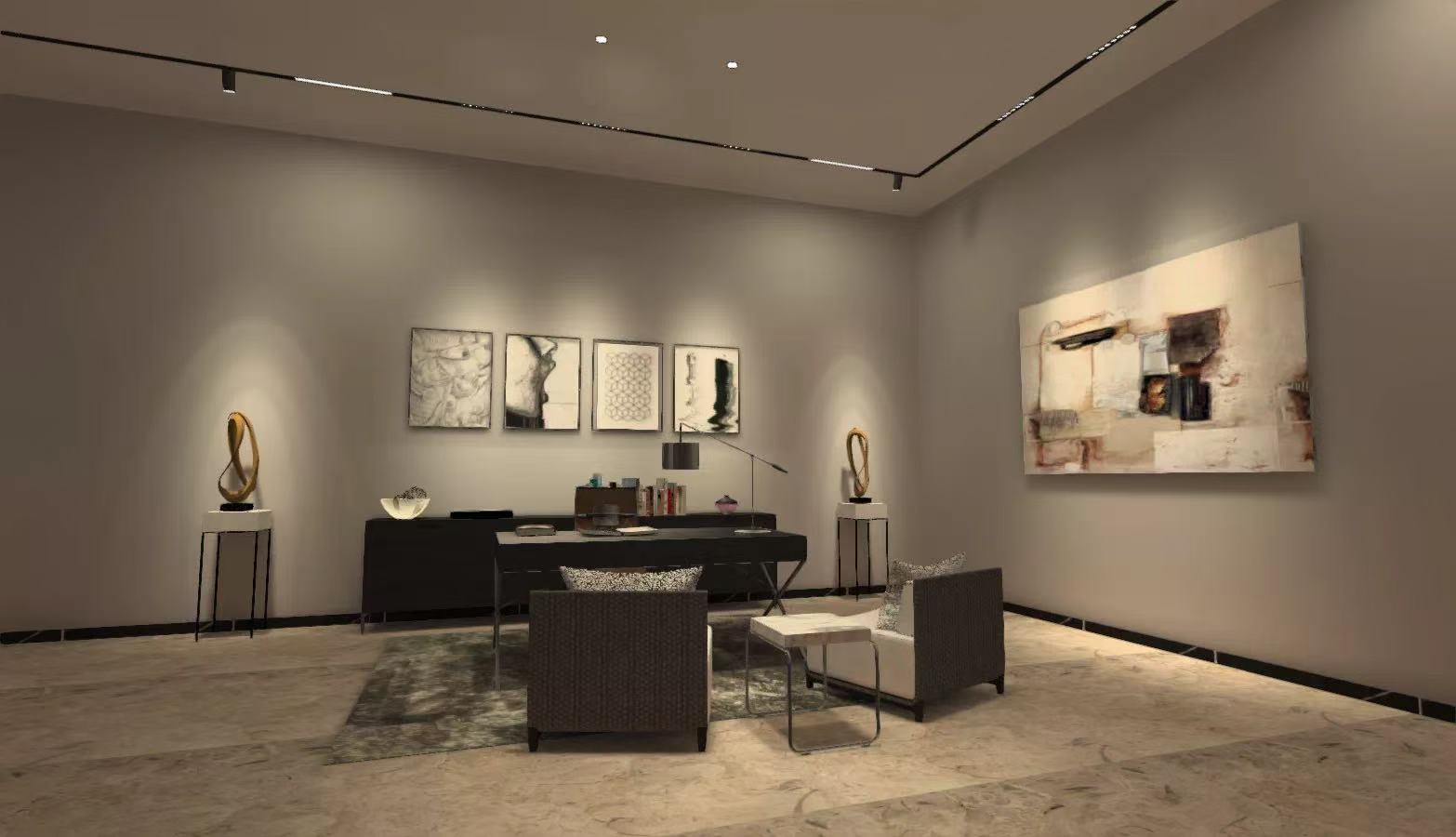
You want your favorite art to stand out. Mini magnetic track lights give you creative ways to highlight art in your home. You can use layered lighting to make your art pop. Try mixing ambient, task, and accent lighting. This mix helps you create a gallery feel right in your living room.
You can also use flexible zoning. Place your lights to create special areas for your artwork. This makes each piece feel important. Curvy magnetic track light systems let you frame your art in new shapes. You can turn a plain wall into a gallery wall. This design brings a gallery-like experience to your home.
Tip: Use LED track lighting to show true colors. Your art will look bright and clear.
Here are some lighting types you can try:
|
Lighting Type
|
Description
|
Use Case
|
|
LED Magnetic Track Spot Light
|
Meets high standards for indoor exhibits in museums.
|
Museums and galleries
|
|
LED Jewelry Lighting
|
Highlights fine details in artwork.
|
Art galleries
|
|
Mini LED Pole Lighting
|
Gives targeted lighting to enhance visual appeal of art.
|
Residential art displays
|
Adjustable Spotlights
You can use adjustable spotlights to highlight artworks in any room. These spotlights let you move and point the light where you want. If you change your art, you can adjust the spotlights to fit new pieces. This makes your lighting flexible and fun.
Adjustable spotlights work well for both big and small art. You can use them to highlight one painting or a whole wall. Try using three adjustable spotlights for a large piece. You can also use one for a small sculpture. Track lights with adjustable spotlights help you get the perfect look every time.
Note: Adjustable spotlights are easy to move. You can change your display as often as you like.
You can highlight art, show off your style, and make your home feel special with these creative ways.
Modern Kitchen Lighting
Sleek Illumination for Islands
You want your kitchen to look modern and feel bright. Mini magnetic track lighting gives you flexibility and a clean design. You can hang track lights above your island to create a stylish centerpiece. For the best results, hang pendants 30-36 inches above the countertop. Space each fixture 24-30 inches apart. This setup gives you even lighting and keeps shadows away while you cook or eat.
-
Place tracks above counters, sinks, or kitchen islands for strong task lighting.
-
Use adjustable fixtures to change the mood or focus on different areas.
-
Try spotlights to highlight open shelves or decor and boost the kitchen’s aesthetic.
Mini magnetic track lighting lets you mix task and accent light. You can change the layout anytime. This makes your kitchen feel fresh and modern.
Tip: Adjustable track lighting helps you match the light to your kitchen’s mood. Move the fixtures when you change your decor or need more light for a new recipe.
Task Lighting Tips
You need good task lighting for cooking zones. Position spotlights above cutting boards or stoves for safety and clear vision. Adjustable track lights let you direct light where you need it most. Layered lighting works well in modern kitchens. Combine ambient, task, and accent lights for a balanced look.
-
Use adjustable fixtures for different tasks like chopping, mixing, or cleaning.
-
Magnetic track lighting gives you the flexibility to update your kitchen’s style.
-
Choose fixtures that match your kitchen’s design for a modern feel.
Mini magnetic track lighting makes your kitchen look modern and helps you work better. You get both style and function in one system.
Customizable Living Room Solutions
Layered Lighting Effects
You want your living room to look nice and feel cozy. Customizable lighting helps you set the mood for any event. You can put LED spots for magnetic track on your walls to show off art or decorations. Try using thin lights with pendant tracks to add color. Layered lighting means you can use spotlights and ambient lights together. You can turn some lights off and leave others on for a warm feeling. Designers like to use recessed lights with track lighting to shine light on paintings or bookshelves. This way, your room looks modern and every corner is bright.
Tip: Use dimmer switches to change how bright the lights are. You can make the room feel different in just a few seconds.
Customizable lighting gives you lots of choices. You can make patterns on your ceiling or walls. Curvy magnetic track lights make the room fun. Mix different types of lights and finishes to make it look even better. You get a special design that fits your style.
Geometric and Zigzag Layouts
Customizable lighting lets you try out new shapes. You can set up curvy magnetic track lights in zigzag or geometric lines. These shapes help you show off places like fireplaces or reading corners. Adjustable lights let you point the light where you want it. You can pick from many shapes, textures, and angles for your track lights. Try using different colors for a bold look. Customizable lighting makes your living room unique.
Curvy magnetic track lights make your room feel lively and full of energy. You can change the setup whenever you want. Mini magnetic track lighting is flexible, so you never get tired of your design. Your living room always looks new and modern.
Accenting Architectural Features
Highlighting Angles and Slopes
You can use mini magnetic track lighting to show off the special shapes in your home. If you have sloped ceilings or curved corners, these lights help you make those spots stand out. The modular design lets you place lights along any angle or curve. You can create indirect lighting that glows softly and makes the room feel warm. Curvy magnetic tracks work great on rounded ceilings or unique corners. You get to choose how the light flows and where it shines.
-
Indirect lighting adds a soft glow to walls and ceilings.
-
Modular tracks let you change the layout anytime.
-
Curvy tracks follow the shape of your ceiling or corners.
Tip: Try placing lights along a sloped ceiling to draw eyes upward. This trick makes your room look bigger and more interesting.
Enhancing Room Harmony
Mini magnetic track lighting helps you balance the look of your space. You can match the lights to your room’s style and highlight cool features. The system blends form and function, so your room feels modern and put together. You can move the lights to fit your mood or needs. If you want to show off a special wall or angle, just adjust the lights.
|
Benefit
|
Description
|
|
Enhanced Flexibility
|
You can change the lighting setup to fit your needs or style.
|
|
Modern Design Aesthetics
|
The lights look stylish and help your room feel balanced and fresh.
|
|
Highlight Unique Features
|
You can show off cool angles or details, making your space more interesting.
|
Note: When you use mini magnetic track lighting, you get a room that feels bright, balanced, and full of character.
Creative Solutions for Hallways
Guiding Pathways
You want your hallway to feel safe and look stylish. Mini magnetic track lighting helps you guide the way. When you install these lights, you make it easier to walk at night. The bright light helps you see where you are going, so you avoid slips and falls. You can use the lights to show off artwork or cool wall features. The hallway becomes more than just a path—it turns into a space you enjoy.
Tip: Place track lights along the ceiling or walls to highlight special pictures or decorations. You create a welcoming path for guests and family.
You can use angle connectors to move the lights from the ceiling to the wall. This setup lets you design a hallway that feels open and modern. The lights draw attention to the best parts of your hallway.
Space-Saving Installations
Hallways are often narrow, so you need lighting that fits. The KLM Magnetic track strips use aerospace-grade aluminum. These strips bend and fit into tight spaces. You can choose the length and shape that works for your hallway. The ultra-thin woven magnetic track light is only 6 millimeters thick. You can hide it in ceiling gaps or curve it along the wall. This makes your hallway look neat and clean.
-
Flexible tracks fit any hallway shape.
-
Thin lights save space and keep the hallway open.
-
You can change the layout whenever you want.
Mini magnetic track lighting gives you creative solutions for small spaces. You get a minimalist look and a hallway that feels bigger. Your hallway stays bright, safe, and stylish.
Bedroom Lighting Ideas
Reading Nooks
You want a cozy spot to read at night. Mini magnetic track lighting makes it easy to create a perfect reading nook. You can move and adjust the lights to fit your needs. Try spacing the fixtures 2 to 4 feet apart for even lighting. If your room is big, use more tracks for better coverage. Keep the tracks about 12 to 18 inches from the wall. This setup helps highlight textures and art near your reading area.
-
Adjust lights for the best brightness.
-
Place fixtures where you need light most.
-
Use dimmable anti-glare track lights for a relaxing mood.
-
Add ambient lighting to make the space feel gentle and calm.
Tip: A gentle light environment helps you relax when you enter your bedroom. You can change the light level for reading or winding down.
Personal Touches
You can make your bedroom feel special with custom lighting. Layer ambient, task, and accent lights for a dynamic look. Magnetic linear lights create a soft, warm glow that sets the mood. If you love reading, install magnetic pendant lights or spotlights in your nook. These lights give you focused light without making the space too bright.
-
Replace bedside lamps with magnetic pendant lights for a modern touch.
-
Free up space on your nightstand.
-
Mix different lighting styles to match your taste.
-
Use warm lights to make your room feel inviting.
Note: Magnetic track lighting lets you change your setup anytime. You can try new layouts and colors to match your style or mood.
Home Office Lighting
Productivity Lighting
You want your workspace to help you get things done. Mini magnetic track lighting makes your office feel bright and modern. You can move the lights to fit your desk or computer. This helps you focus on your task and keeps your workspace organized. If you change your office layout, you can move the lights without any trouble. The setup is quick, so you do not waste time.
Here’s why mini magnetic track lighting works well for your workspace:
|
Advantage
|
Description
|
|
Easy Installation
|
You can set up the lights fast and move them when you need to change your workspace.
|
|
High Flexibility
|
You can adjust the lights for each task, like reading or typing, to get the best results.
|
|
Aesthetic Appeal
|
The modern look makes your workspace feel fresh and stylish.
|
|
Energy Efficiency
|
The lights use less power, so you save money and help the planet.
|
You can use these lights for any task, from writing to video calls. The clean design keeps your workspace looking neat and helps you stay focused.
Reducing Glare
Glare can make your eyes tired and slow you down. Mini magnetic track lighting helps you control the light in your workspace. You can point the lights where you need them most. This keeps your screen clear and your eyes comfortable. The even light spread from LED technology means you do not get harsh reflections.
Here’s how these lights help reduce glare:
-
Adjustable lighting lets you focus light on your task.
-
Even light distribution keeps your workspace bright without shiny spots.
-
LED lights give a soft, steady glow.
Tip: Move your lights if you see glare on your screen. You can always change the setup to fit your workspace and your task.
You get a comfortable workspace that helps you work better and feel good all day.
Modern Bathroom Lighting
Vanity and Mirror Illumination
You want your bathroom to feel bright and fresh. Mini magnetic track lighting gives you a modern way to light up your vanity and mirror. Place the lights above or beside your mirror for even, shadow-free light. This setup helps you see clearly when you brush your teeth or put on makeup. You can move the lights to get the best angle. Try using two or three small fixtures for a balanced look.
-
Place lights at eye level for the best results.
-
Use warm white bulbs for a soft, natural glow.
-
Adjust the lights if you change your mirror or bathroom layout.
Tip: Good lighting around your mirror makes your morning routine easier and more fun.
Moisture-Resistant Placement
Bathrooms get wet and steamy, so you need lights that can handle moisture. Mini magnetic track lighting comes with moisture-resistant options. You can install these lights near showers or bathtubs without worry. Look for fixtures with a high IP rating. This rating means the lights can stand up to water and steam.
|
Area
|
Recommended IP Rating
|
Why It Matters
|
|
Shower Zone
|
IP65 or higher
|
Protects from splashes
|
|
Vanity Area
|
IP44 or higher
|
Handles steam and drips
|
You get a modern bathroom that feels safe and stylish. Move the lights if you want to try a new look. Your bathroom stays bright, clean, and up to date.
Dynamic Ceiling Patterns
Visual Interest with Track Lights
You can turn your ceiling into a work of art with track lighting. When you use curvy magnetic track lights, you add movement and excitement to any room. These lights do not just brighten your space. They make people look up and notice your ceiling. You can create waves, zigzags, or even circles. This makes your home feel modern and fresh.
Try spacing your track lights in different ways. You can highlight a special spot or make the whole ceiling glow. If you want to show off a cool ceiling shape, use curvy magnetic track lights to follow the lines. Your friends will love the unique look. You get both style and good light at the same time.
Tip: Use track lighting to add depth to your ceiling. This trick makes your room look bigger and more interesting.
Customizable Arrangements
You have so much flexibility with customizable track lighting. The magnetic system lets you move each light where you want. You can change the pattern whenever you feel like it. Want a new look for a party? Just slide the curvy magnetic track lights into a new shape. If you want to highlight a painting or a table, move the lights to shine right on it.
Customizable layouts let you match your ceiling design to your mood or the season. You can make the lights close together for a bright spot or spread them out for a soft glow. This modern lighting idea helps you create a ceiling that fits your style. You never get bored because you can always try something new.
-
Move fixtures to highlight special items.
-
Change the arrangement for holidays or events.
-
Try different shapes for a fun ceiling.
With customizable track lighting, your ceiling becomes a canvas for your ideas.
Seasonal and Event Displays
Holiday Lighting Ideas
You can make every season special with track lighting. When the holidays come, you want your home to feel festive. Mini magnetic track lighting lets you change your setup fast. You can add red and green lights for Christmas or soft pastels for spring. Try placing track lighting along your mantel or around windows. You can highlight your favorite decorations or create a cozy glow for family gatherings.
Here are some ideas for holiday displays:
-
Hang ornaments from the track lighting above your dining table.
-
Use colored bulbs to match the season.
-
Point spotlights at wreaths or holiday art.
Tip: You can switch out bulbs or move fixtures to match each holiday. Your home always feels fresh and fun.
Easy Reconfiguration
You want your space to look different for every event. Track lighting makes it simple to change your setup. If you host a birthday party, move the lights to highlight the cake or gifts. For movie night, point the lights away from the screen for a soft glow. Mini magnetic track lighting lets you slide fixtures along the track. You do not need tools or extra help.
Check out this table for quick reconfiguration ideas:
|
Event
|
Lighting Change
|
Result
|
|
Birthday
|
Focus on decorations
|
Festive atmosphere
|
|
Movie Night
|
Dim lights, soft angles
|
Cozy setting
|
|
Dinner Party
|
Highlight table centerpiece
|
Elegant look
|
You can try new layouts anytime. Your home stays bright and ready for every occasion.
You can make your home look different with mini magnetic track lighting. You can move the lights around whenever you want a new style. Try using these tips to show off art, mark out spaces, or set a fun mood.
-
Change the lights for any activity.
-
Use layers of light for cool effects.
-
Shine lights on things you want to stand out.
|
Lighting Type
|
Best Use
|
Fixture Example
|
|
General Lighting
|
Lights up the whole room
|
Magnetic pendant lights
|
|
Task Lighting
|
Good for reading or cooking
|
Track lighting spotlights
|
|
Accent Lighting
|
Makes art or shelves pop
|
Adjustable spotlights
|
Are you ready to make every room brighter? Try out new ideas now!