Latest Electronics News & Trends | Expert Insights & Innovations
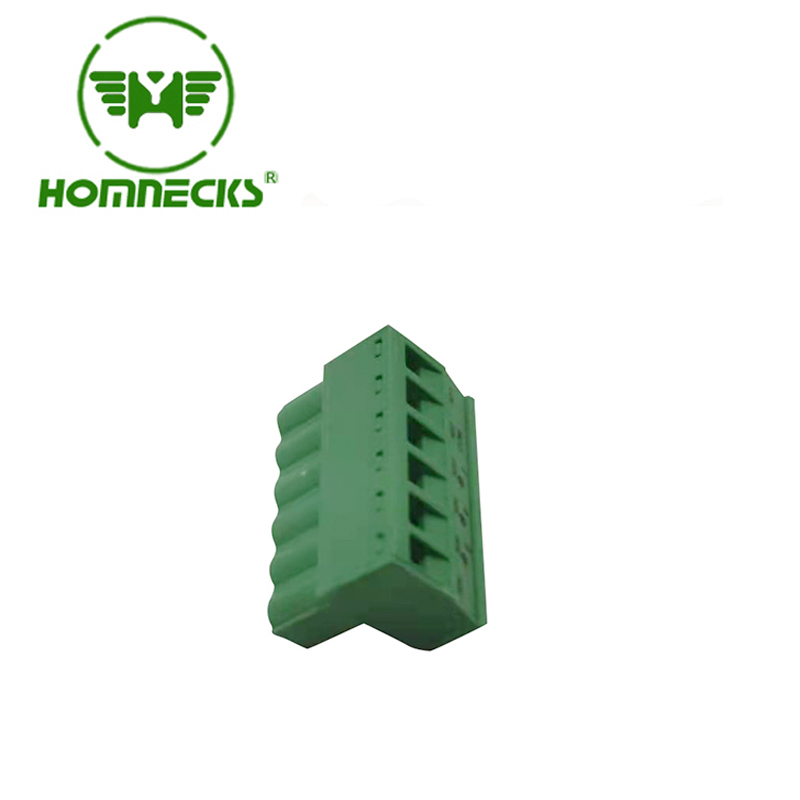
7.5 mm terminal block

How to choose the right terminal blocks for your project 5 key factors


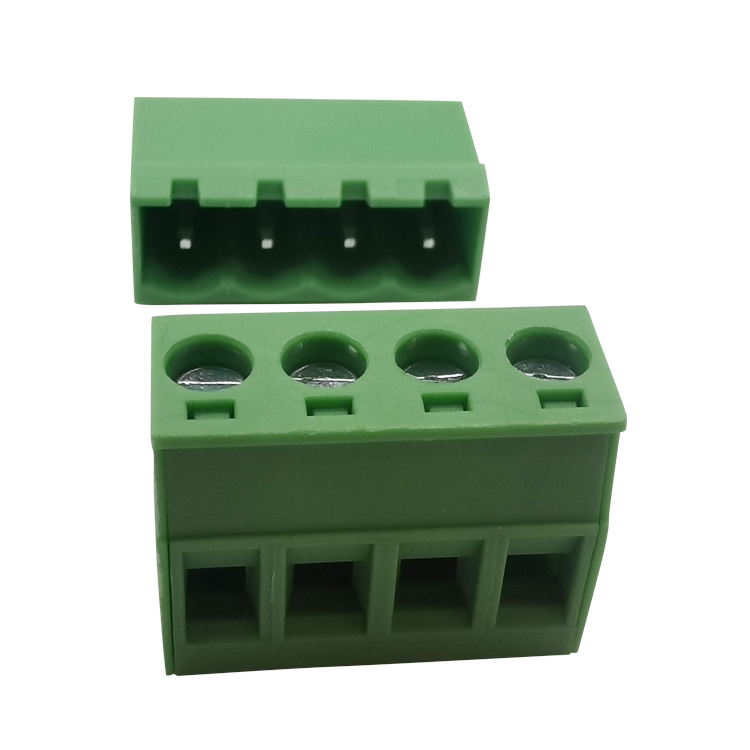
5.08 mm terminal block

How to choose the right terminal blocks for your project? We provide an in-depth analysis of five key factors: current and voltage, installation method, environmental adaptability, material structure, and certification standards, to help engineers and purchasing personnel make precise selections and reduce failure rates and maintenance costs.


I. Matching Electrical Parameters: Current, Voltage, and Safety Margin

1. Rated Current

When selecting terminal blocks, it's crucial to consider not only the nominal current of the equipment but also peak current, long-term load, cable cross-sectional area, and the impact of ambient temperature.  It is recommended to leave a 20%-30% current margin to ensure stable long-term operation.

2. Rated Voltage

Different applications have different voltage requirements: low-voltage control systems typically use 300V, industrial power systems often use 600V or higher, and new energy systems can reach 1000V.  Creepage distance and electrical clearance design should also be considered.


II. Wiring Method Selection: Screw-type or Spring-type?

1. Screw Terminal Block

Suitable for high-current applications, such as power distribution cabinets and industrial control boxes, but requires regular inspection to prevent loosening.

2. Spring Terminal Block

Suitable for automation control systems and vibrating environments, offering maintenance-free and vibration-resistant advantages.

3. Pluggable Terminal Block

Suitable for PCB connections and modular designs, facilitating installation and maintenance.


III. Environmental Adaptability: Do Not Underestimate the Working Environment

When selecting connectors, working temperature, protection rating, and vibration conditions must be considered. For high-temperature environments, high-temperature resistant nylon (PA66) material is recommended. In dusty or humid environments, attention should be paid to the IP protection rating and corrosion resistance.


IV. Material and Structural Design: Determining Long-Term Stability

High-quality terminal blocks typically use copper or tin-plated copper conductors and insulation materials that meet the UL94 V-0 flame retardant rating.  Oxidation and corrosion resistance directly affect long-term operational safety.


V. Certification and Compliance: A Crucial Aspect for Export Projects

Common international certifications include UL, CE, TUV, IEC, and RoHS. For export projects, certification not only affects customs clearance but also relates to project acceptance and legal compliance.


When selecting components, engineers should consider ease of maintenance, modular expandability, and inventory standardization.  Proper terminal selection not only improves system stability but also reduces long-term maintenance costs. Stable connections are fundamental to reliable system operation; although small, terminal blocks are crucial connecting components in electrical systems. Correct selection can reduce failure rates, extend equipment lifespan, and enhance overall brand reliability.
阅读全文......

PCB Terminal Block Types, Pitch, and Applications Explained (Manufacturer's Guide)


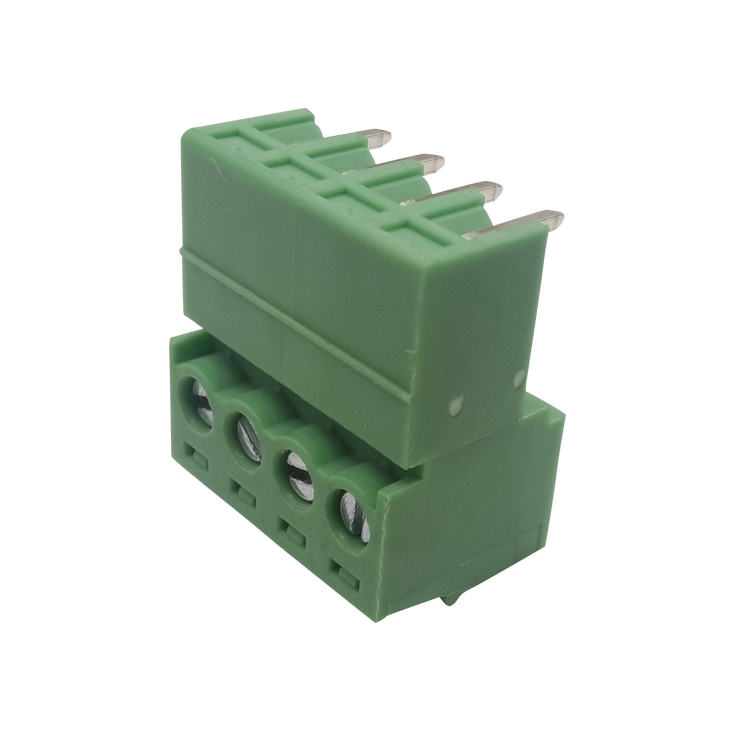
5.08 mm terminal block

If you're an engineer, buyer, or seller, it's important to know about the different kinds of terminal blocks, Pitch, and where they're used.


I. Regular PCB Terminal Types


1. PCB Screw Terminals

These are strong and conduct electricity well, so they're good when you need a really reliable connection.

You'll often see them as 2-pin or 3-pole setups.


2. Pluggable PCB Terminals

These are made to be plugged in and out quickly, which makes fixing or switching things out easier.

They're common in industrial control boxes and automation systems.


3. Spring Terminals / Screwless Terminals

These are fast to install and don't shake loose easily, which is good for PCBs with a lot of wires packed close together.


II. What You Need to Know About PCB Terminal Spacing (Pitch)


The spacing between pins depends on how much current and voltage you need:


- 3.5mm / 3.81mm: For signals and when you don't need much current

- 5.0mm / 5.08mm: For industrial controls and power units

- 7.5mm / 7.62mm: For high current and voltage


III. Where Barrier Terminal Blocks Are Used

Barrier terminal blocks have more space between the connections and are safer.

They're usually found in power equipment, industrial control systems, and PCBs that handle a lot of power.


IV. Why Go with a Terminal Maker?

Buying straight from a terminal maker, factory, or provider means you get:


- Products that are always good quality

- The option to get things made the way you want

- Better prices

- Delivery you can count on, which is good for big orders


In conclusion:

From screw terminals to pluggable and insulated ones, picking the right terminal and spacing is key for a safe and well-performing system.

As a terminal factory, we give customers everywhere good terminal solutions.

阅读全文......

Why the 5.08 mm Terminal Block is a Game Changer in IoT Systems

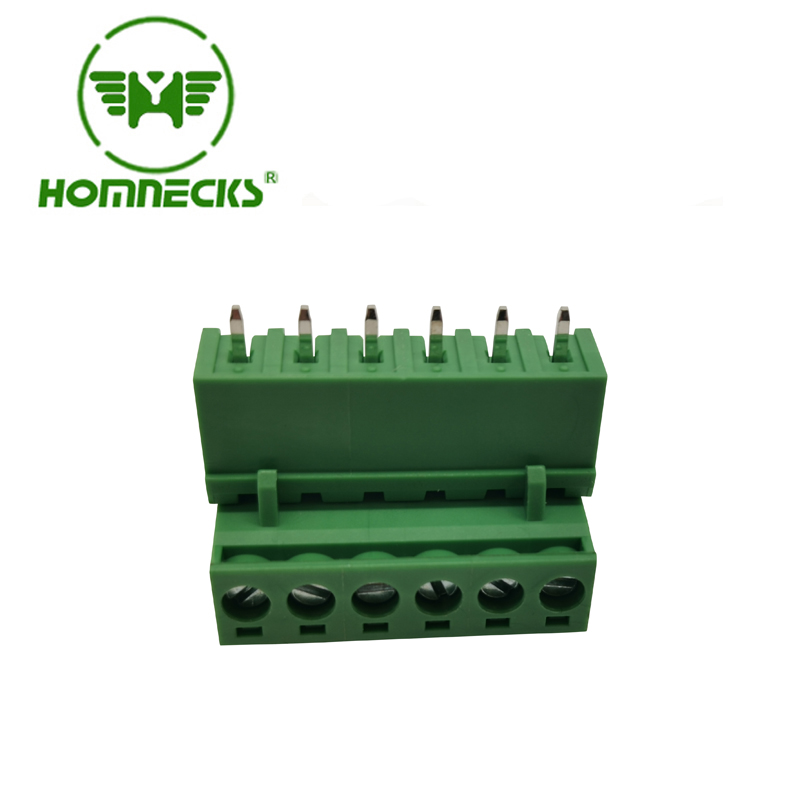
3.81 mm terminal block

In the rapidly evolving world of IoT (Internet of Things),reliable connectivity is the backbone of efficient system performance.One critical component that ensures seamless connections in IoT controllers is the 508 mm terminal block.Designed for secure wire connections,this terminal block provides robust electrical connectivity,making it ideal for IoT applications where stability and durability are paramount.Its compact yet sturdy design ensures that even in high-density PCB layouts,the 5.08 mm terminal block delivers consistent performance.

When designing IoT controllers,engineers often face the challenge of balancing space constraints with functionality.This is where the versatility of terminal blocks comes into play.For instance,the 3.81 mm terminal block offers a smaller footprint,perfect for compact IoT devices where space is at a premium.Meanwhile,the 50 mm terminal block strikes a balance between size and current-carrying capacity,making it suitable for mid-range IoT applications.Both options ensure reliable connections without compromising on performance.

7.62 mm terminal block

In more demanding IoT environments,such as industrial automation or smart grid systems,higher current ratings and stronger connections are required.The 7.5 mm terminal block and 762 mm terminal block excel in these scenarios.These terminal blocks are engineered to handle higher voltages and currents,ensuring that IoT controllers operate safely and efficiently even under heavy loads.Their robust construction makes them a go-to choice for industrial IoT applications.

For IoT devices that require a balance between compact design and moderate electrical requirements,the 35 mm terminal block is an excellent choice.Its smaller pitch allows for high-density PCB layouts,while still providing reliable connections for low to medium current applications.This makes it a popular option for consumer IoT devices,such as smart home systems,where space and efficiency are critical.

The diversity of terminal blocks,from the 508 mm terminal block to the 35 mm terminal block,highlights their adaptability across various IoT applications.Whether it’s a compact wearable device or a large-scale industrial controller,these components ensure secure and efficient electrical connections.Their ability to meet different design requirements makes them indispensable in the IoT ecosystem.

When it comes to quality and innovation,HONGYI HOMNECKS PCB terminal blocks stand outKnown for their precision engineering and durability,HONGYI HOMNECKS terminal blocks,including the 508 mm terminal block,are trusted by engineers worldwide.Their products are designed to meet the highest industry standards,ensuring reliable performance in even the most demanding IoT applications.With HONGYI HOMNECKS,you get a perfect blend of quality,versatility,and innovation,making them the ideal choice for your IoT controller designs.


阅读全文......