Latest Electronics News & Trends | Expert Insights & Innovations
EPR spectroscopy

Global Experts Gather at CIQTEK to Explore High-Field EPR Technology

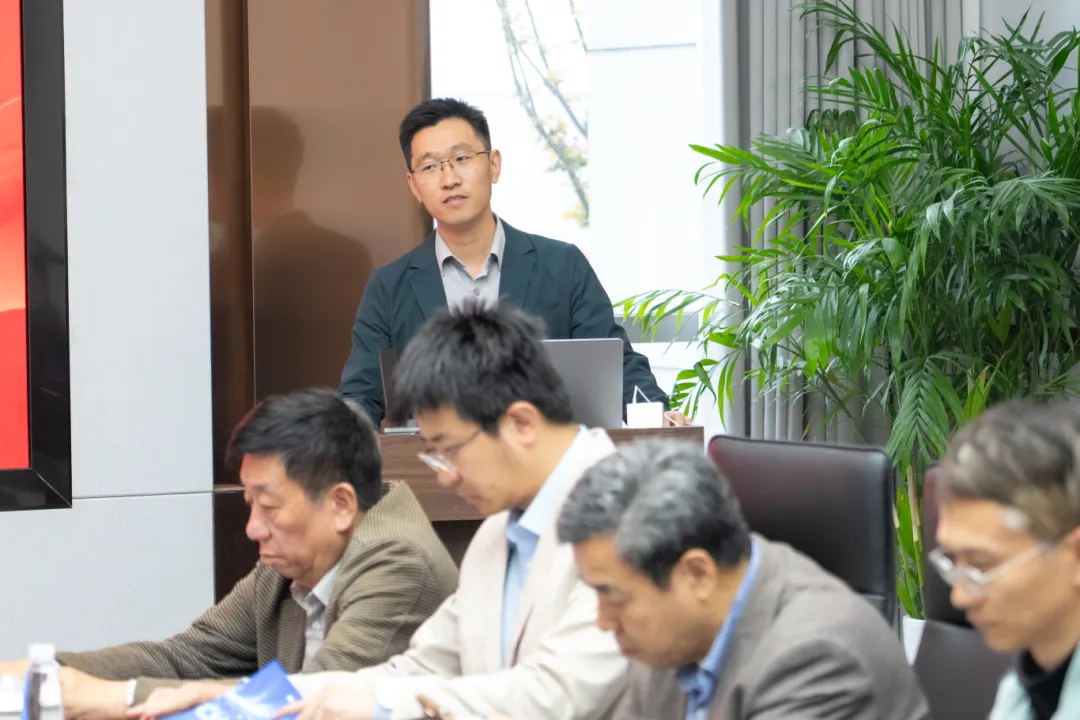
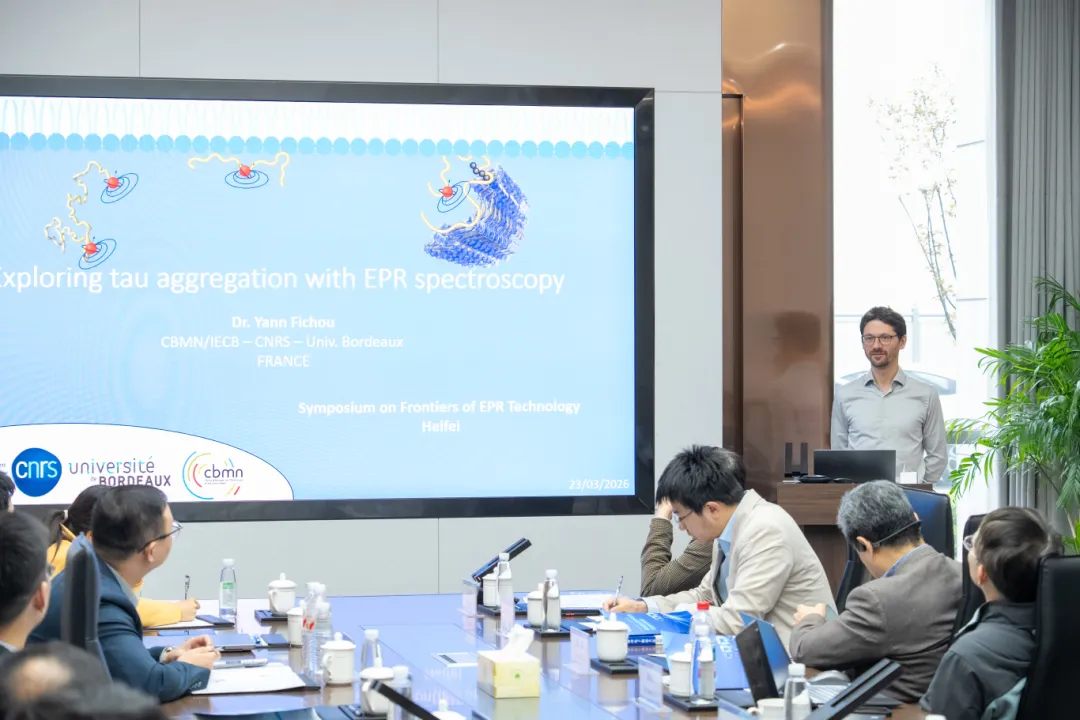
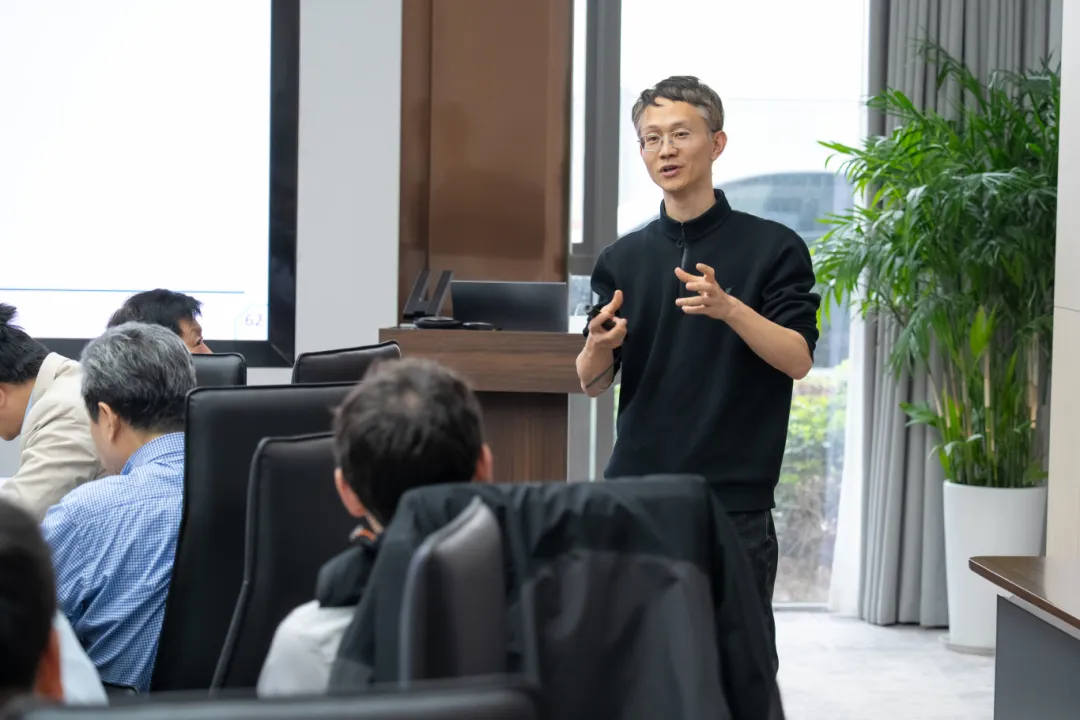
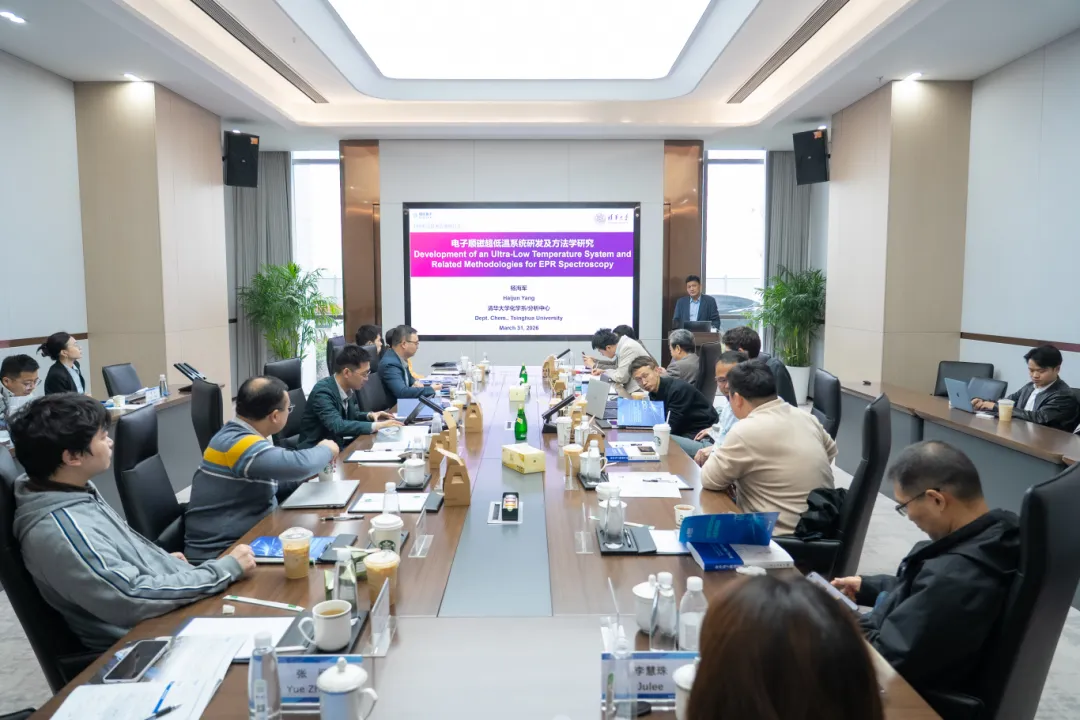
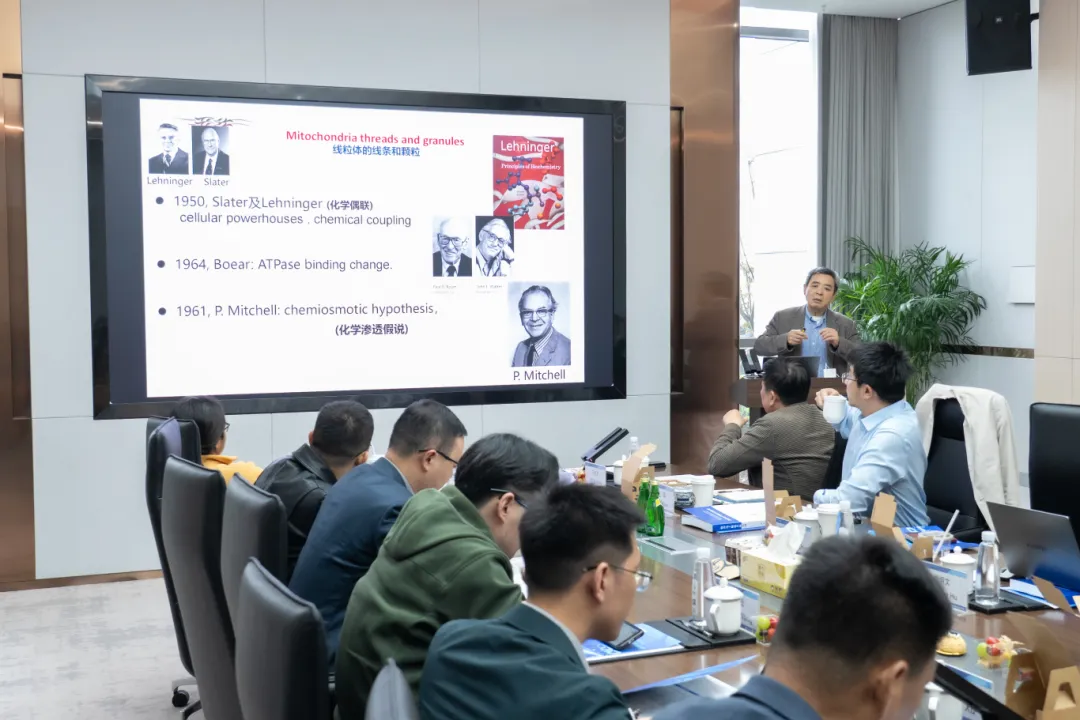
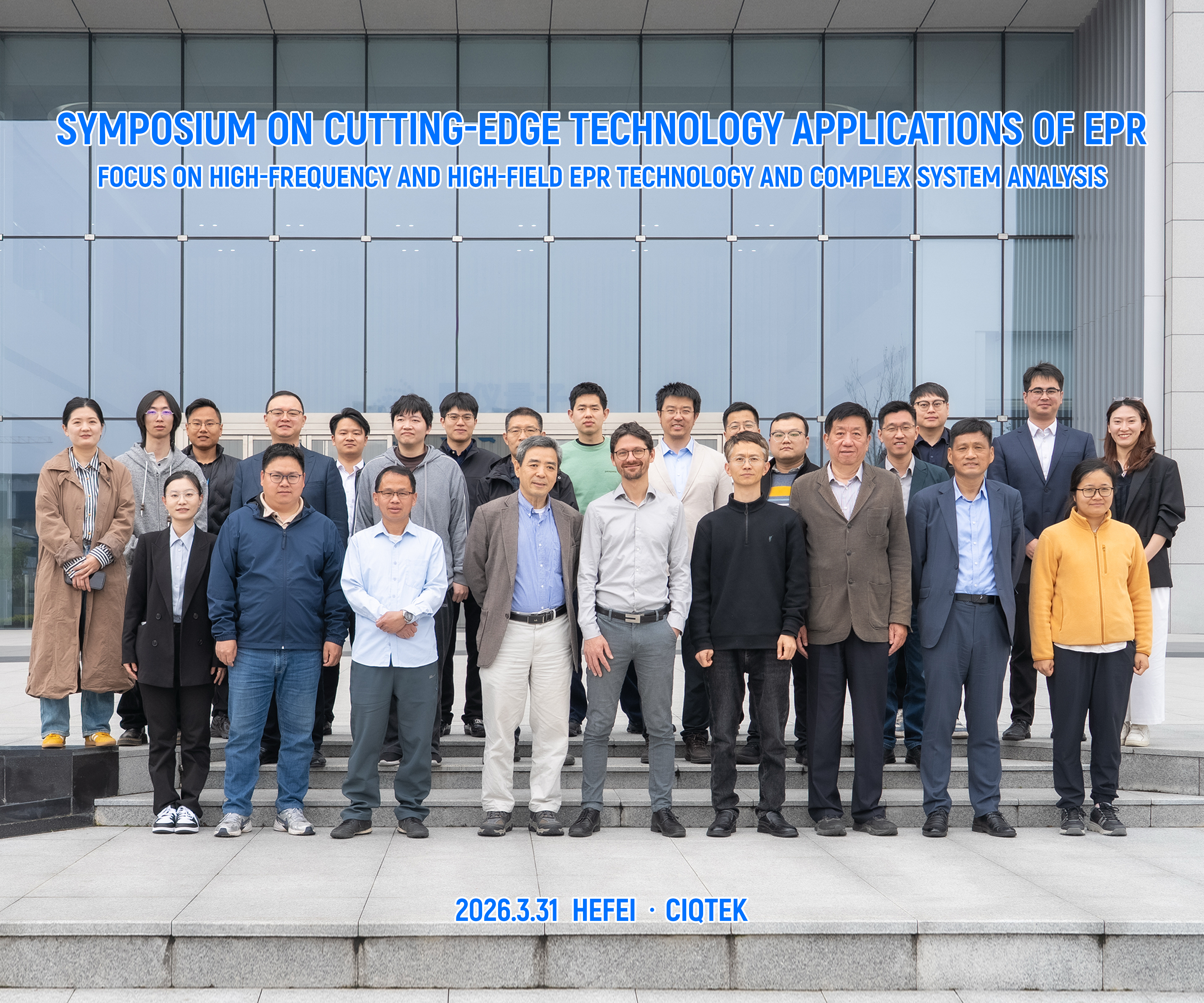
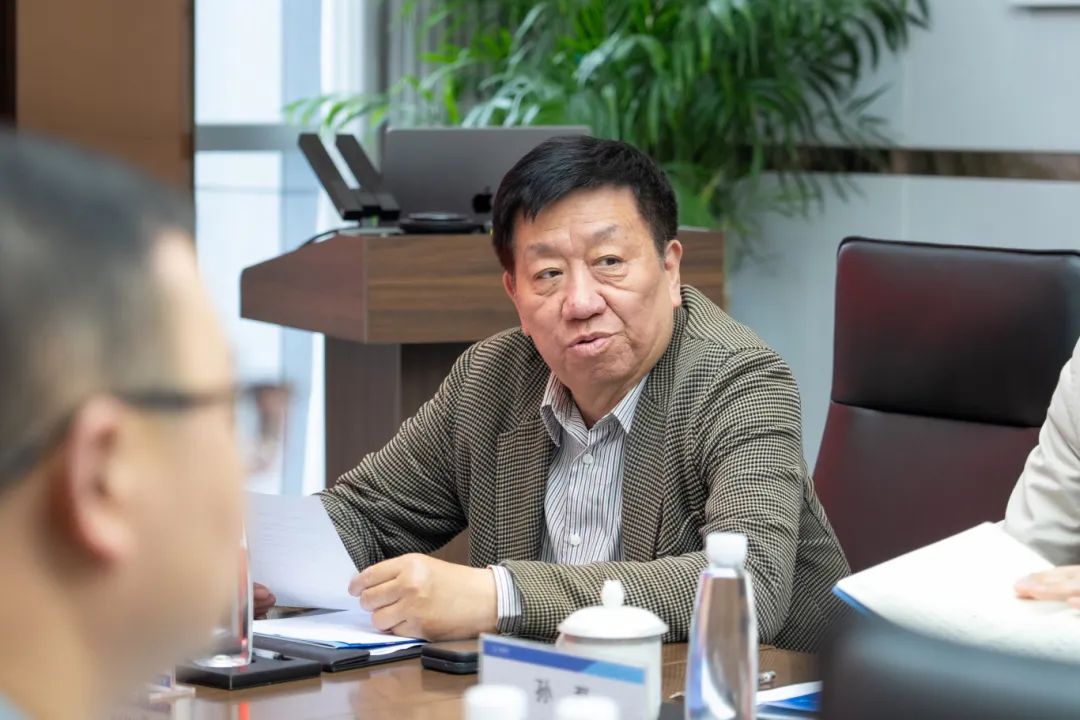
On March 31, CIQTEK successfully hosted the "EPR Frontier Technology Application Seminar" at the CIQTEK Hefei Headquarters. The main takeaway from the event is clear: high-frequency and high-field electron paramagnetic resonance (EPR) technology is rapidly becoming the ultimate solution for unlocking the micro-mechanisms of complex systems. By bringing together top EPR experts from around the world, the seminar fostered deep international collaboration and showcased how our latest multi-band EPR instruments are directly solving real-world experimental challenges in biomedical science, materials chemistry, and quantum sensing.


Sparking Innovation in Complex System Analysis

Compared to standard frequency bands, high-frequency and high-field EPR offers incredibly high resolution and sensitivity. This allows researchers to accurately capture the fine structures, dynamic behaviors, and weak interactions of complex molecules. It is a core technological tool for anyone working with biological macromolecules or advanced materials.

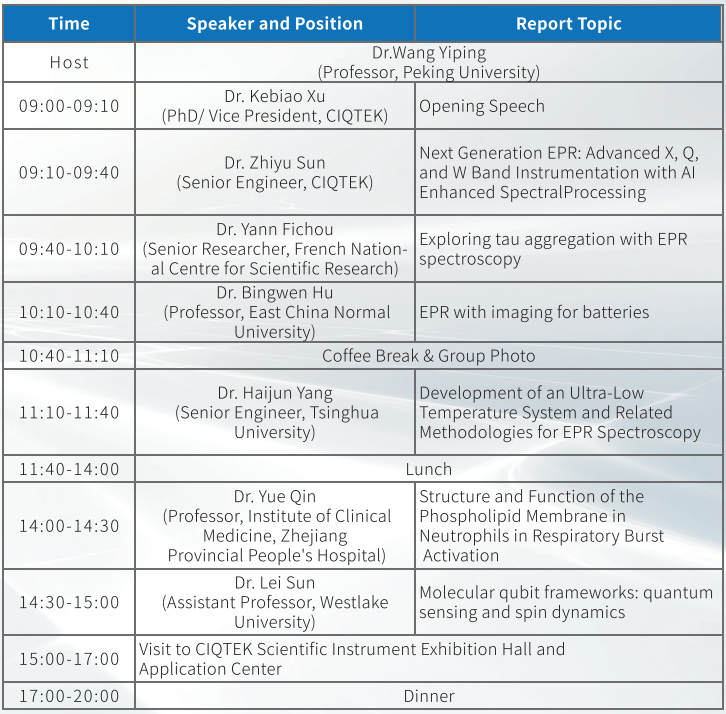
Hosted by Professor Wang Yiping from Peking University, the event attracted numerous researchers and professionals dedicated to advancing EPR technology. Dr. Xu Kebiao, Vice President of CIQTEK, delivered the opening remarks to welcome the attendees. Throughout the day, experts shared their latest findings through academic reports, focusing on instrument innovation, cross-disciplinary applications, and the development of new experimental methods.


Global Experts Unlock New EPR Applications

The seminar featured a diverse lineup of brilliant minds. The presentations covered a wide range of cutting-edge fields, fully demonstrating the massive potential and versatility of modern EPR technology:

  • Dr.Yann Fichou, Lead Researcher at the French National Centre for Scientific Research (CNRS), presented: Exploring tau aggregation with EPR spectroscopy.


  • Professor Hu Bingwen from East China Normal University discussed: EPR with Imaging for Batteries.


  • Professor Yang Haijun from Tsinghua University detailed the: Development of an Ultra-Low Temperature System and Related Methodologies for EPR Spectroscopy.


  • Professor Qin Yue from the Clinical Medical Research Institute, Zhejiang Provincial People's Hospital (Hangzhou Medical College), shared insights on the: Structure and Function of the Phospholipid Membrane in Neutrophils in Respiratory Burst Activation.


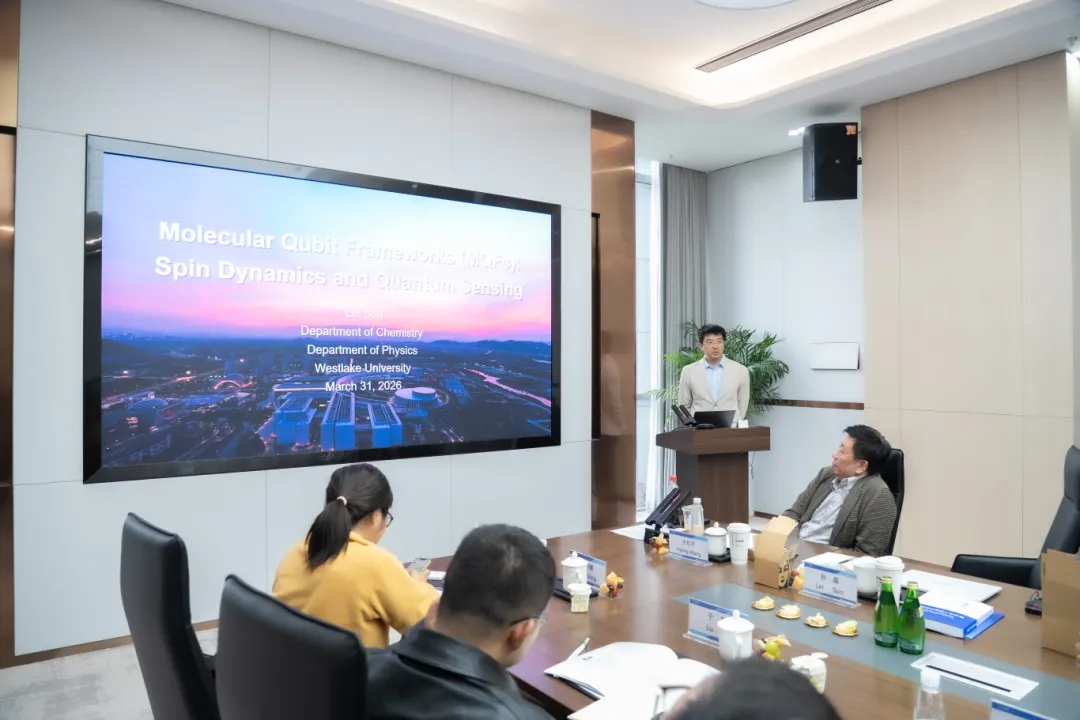
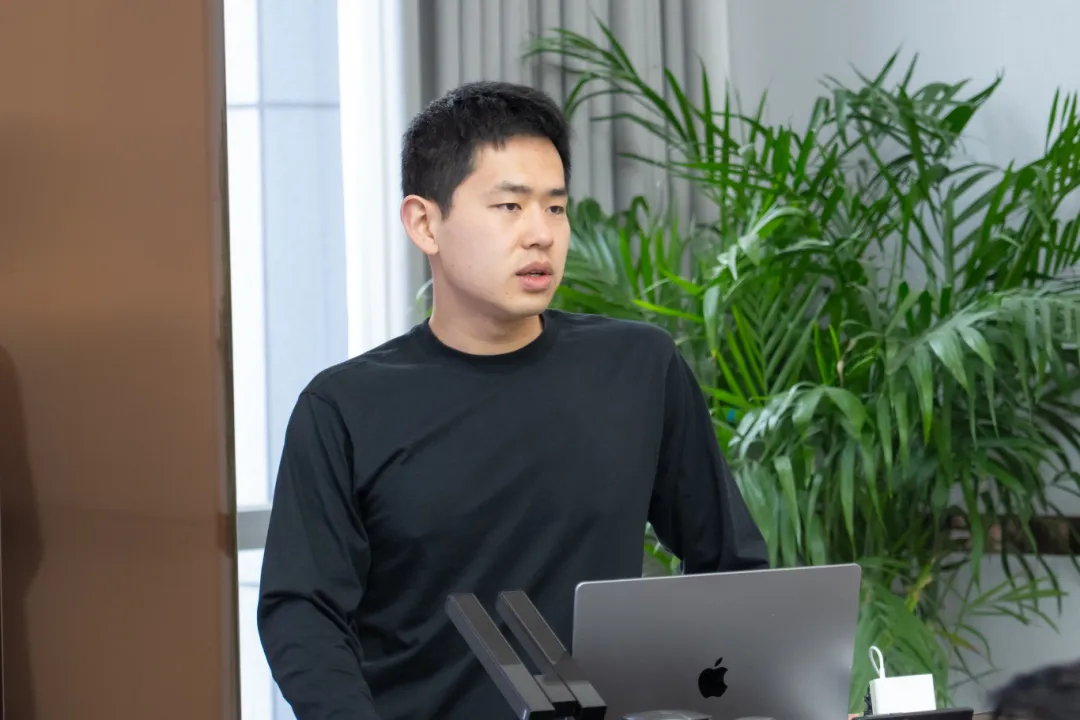
  • Assistant Professor Sun Lei from Westlake University explored: Molecular qubit frameworks: quantum sensing and spin dynamics.


Introducing the Next Generation X, Q, and W Band EPR

A major highlight of the seminar was the showcase of CIQTEK's latest hardware and software advancements. Dr. Sun Zhiyu, Senior Solutions Manager at CIQTEK, delivered a compelling presentation titled Next Generation EPR: Advanced X, Q, and W Band Instrumentation with AI Enhanced Spectral Processing.

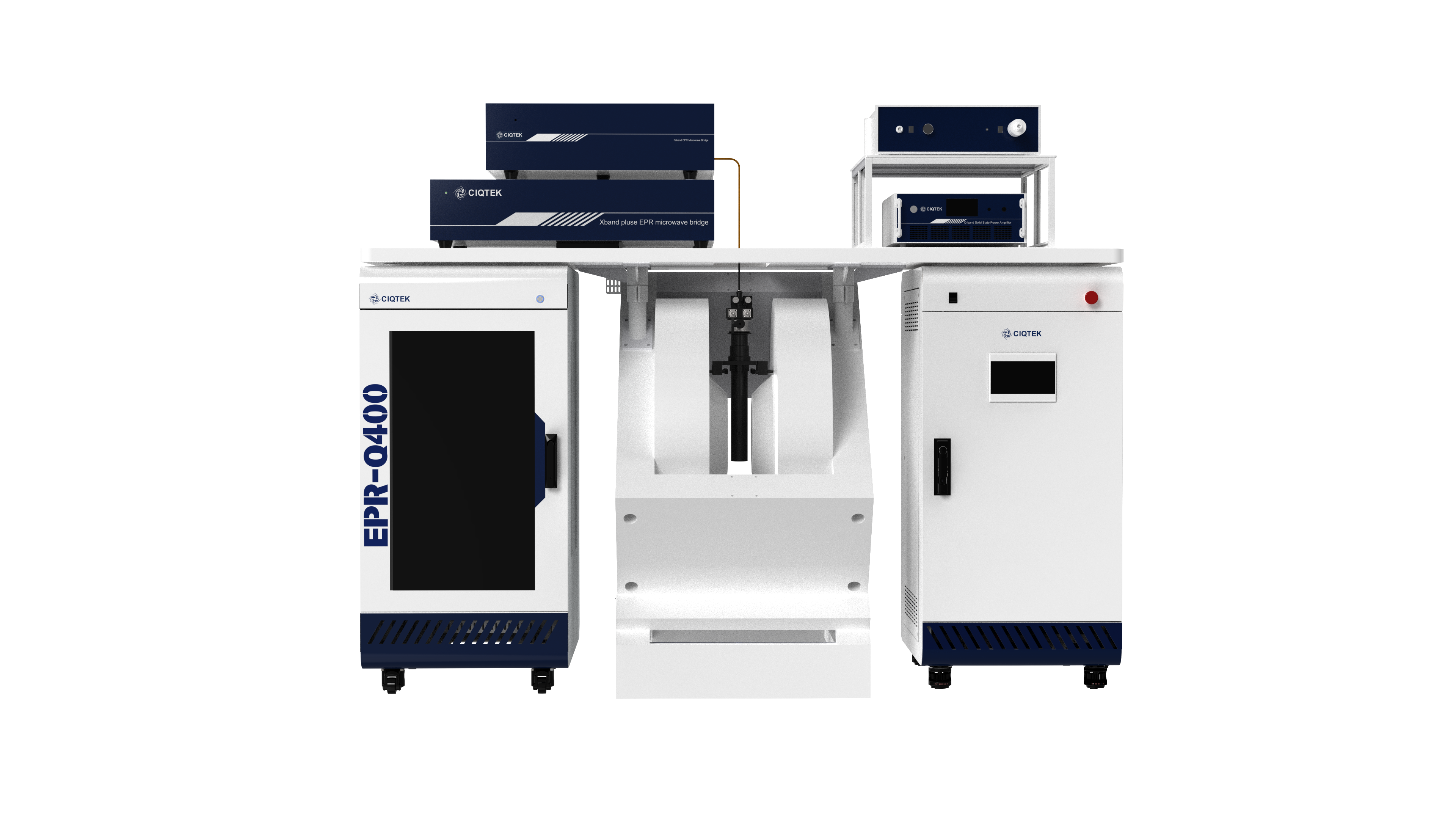
Dr. Sun officially introduced the Q-band pulsed EPR spectrometer. This powerful new tool joins our existing X-band and W-band systems to form a complete, next-generation multi-band EPR product matrix.

What makes the Q-band spectrometer stand out? It utilizes a solid-state power amplifier to achieve broadband excitation with a π/2 pulse width of better than 10ns, significantly boosting both sensitivity and resolution. Furthermore, it is paired with an advanced AI model for spectral processing that boasts an accuracy rate of 92%. This seamless integration of hardware and software drastically lowers the barrier to entry for using EPR technology, making it much more accessible for researchers across chemistry, biology, and materials science.


An Inside Look at CIQTEK's R&D Strength

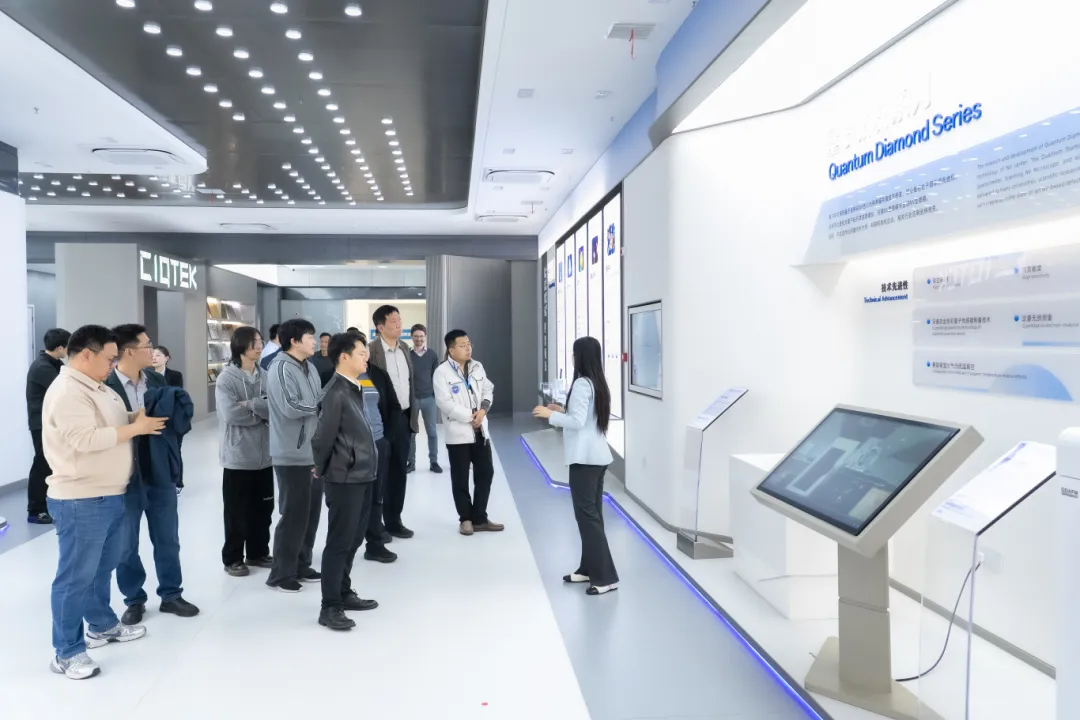
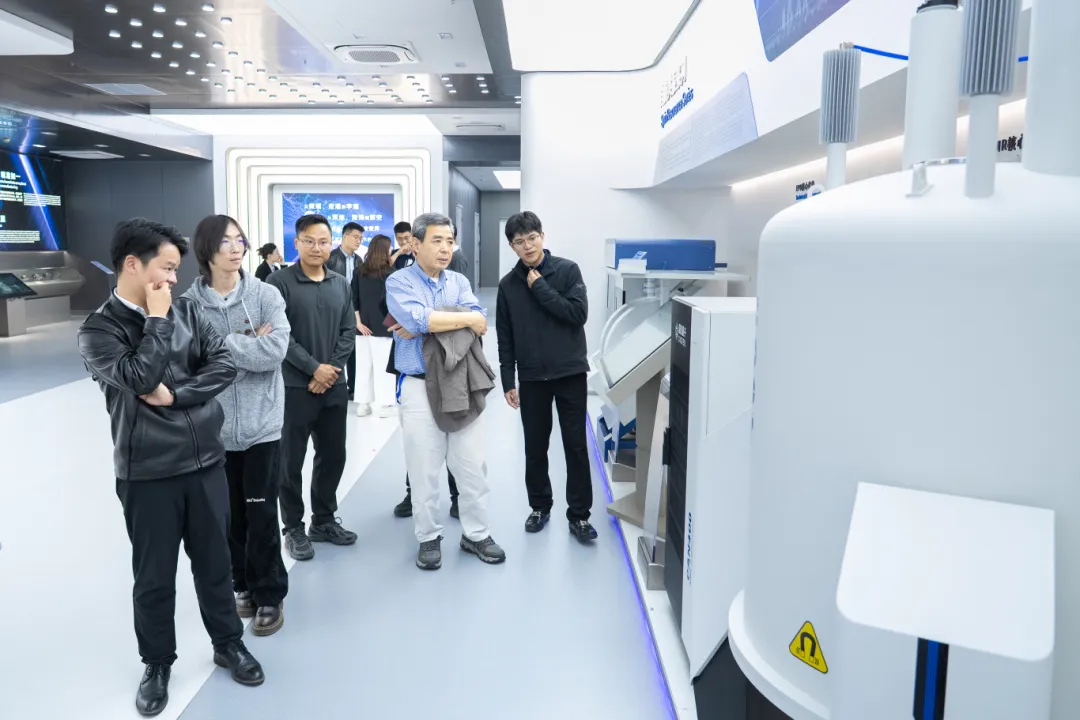
In the afternoon, the attendees took a guided tour of the CIQTEK showroom and application center. This provided a hands-on opportunity to see our EPR research and development achievements up close.

Guests engaged in lively, on-site discussions with our application engineers, exploring the core technologies behind the instruments and how they can be adapted for specific laboratory scenarios. The visiting experts highly praised the engineering quality, reliability, and technical innovation of CIQTEK's EPR solutions, offering valuable practical feedback that will help us drive future product iterations.


Driving the Global Future of EPR Technology

Electron paramagnetic resonance is at a critical stage of rapid iteration and expanding applications. This successful seminar served as a vital bridge between instrument developers and the global academic community. It not only highlighted the latest research but also actively promoted the practical application of high-frequency and high-field EPR technology worldwide.

Looking ahead, CIQTEK is fully committed to deep-rooting our R&D in EPR technology. We will continue to expand our product offerings, enhance instrument performance, and strengthen our partnerships with research institutions and experts across the globe. By focusing on the real needs of global researchers and industries, we aim to unlock the full scientific and commercial value of EPR technology.

阅读全文......

CIQTEK to Host International EPR Symposium on High-Field and High-Frequency Technologies

CIQTEK, a leading manufacturer and supplier of advanced Electron Paramagnetic Resonance (EPR) instrumentation, will host the "Symposium on Cutting-Edge Technology Applications of EPR – Focus on High-Frequency and High-Field EPR Technology and Complex System Analysis" in Hefei, China.

The event will bring together international researchers, instrument scientists, and application experts to explore the latest developments in high-field EPR, high-frequency EPR spectroscopy, and complex system analysis.


Event Details

  • Date: March 31, 2026
  • Location: CIQTEK Co., Ltd., No. 1969, Kongquetai Road, High-tech Zone, Hefei, Anhui, China


Advancing High-Field EPR for Complex Research Challenges

As research moves toward increasingly complex biological and material systems, high-frequency and high-field EPR technologies are becoming essential tools for improving spectral resolution, sensitivity, and structural insight.

This symposium will focus on how advanced EPR methods enable:

  • Structural analysis of biological macromolecules and protein aggregation
  • Investigation of spin dynamics and quantum systems
  • Characterization of energy materials such as batteries
  • Improved experimental accuracy through advanced instrumentation and data processing

By addressing real experimental challenges, the event aims to support researchers in generating more reliable and high-quality EPR data.


International Expert Insights Across Academia and Industry

The symposium will feature a series of technical presentations from leading experts across academia and industry, covering both fundamental research and practical EPR applications.

Key topics include:

  • Next-generation X-, Q-, and W-band EPR instrumentation
  • AI-enhanced spectral analysis and data interpretation
  • EPR studies of tau protein aggregation and biomolecular structures
  • EPR imaging techniques for battery research
  • Ultra-low temperature systems for advanced spectroscopy

The speaker lineup includes researchers from globally recognized institutions such as Peking University, Tsinghua University, and the French National Centre for Scientific Research (CNRS), highlighting the international scope of the event.


Connecting EPR Users with Instrument Innovation

In addition to scientific sessions, the symposium will provide opportunities for direct interaction between EPR users and instrument developers.

Participants will benefit from:

  • In-depth discussions on EPR system optimization and experimental workflows
  • Insights into the latest advances in EPR instrument design and performance
  • A guided visit to the CIQTEK Scientific Instrument Exhibition Center and Application Center

These activities are designed to bridge the gap between application needs and instrument development, enabling more efficient and targeted research.


Symposium Agenda

阅读全文......

\"CIQTEK to Showcase AI-Enhanced EPR Solutions at FBNL-MR 2026\

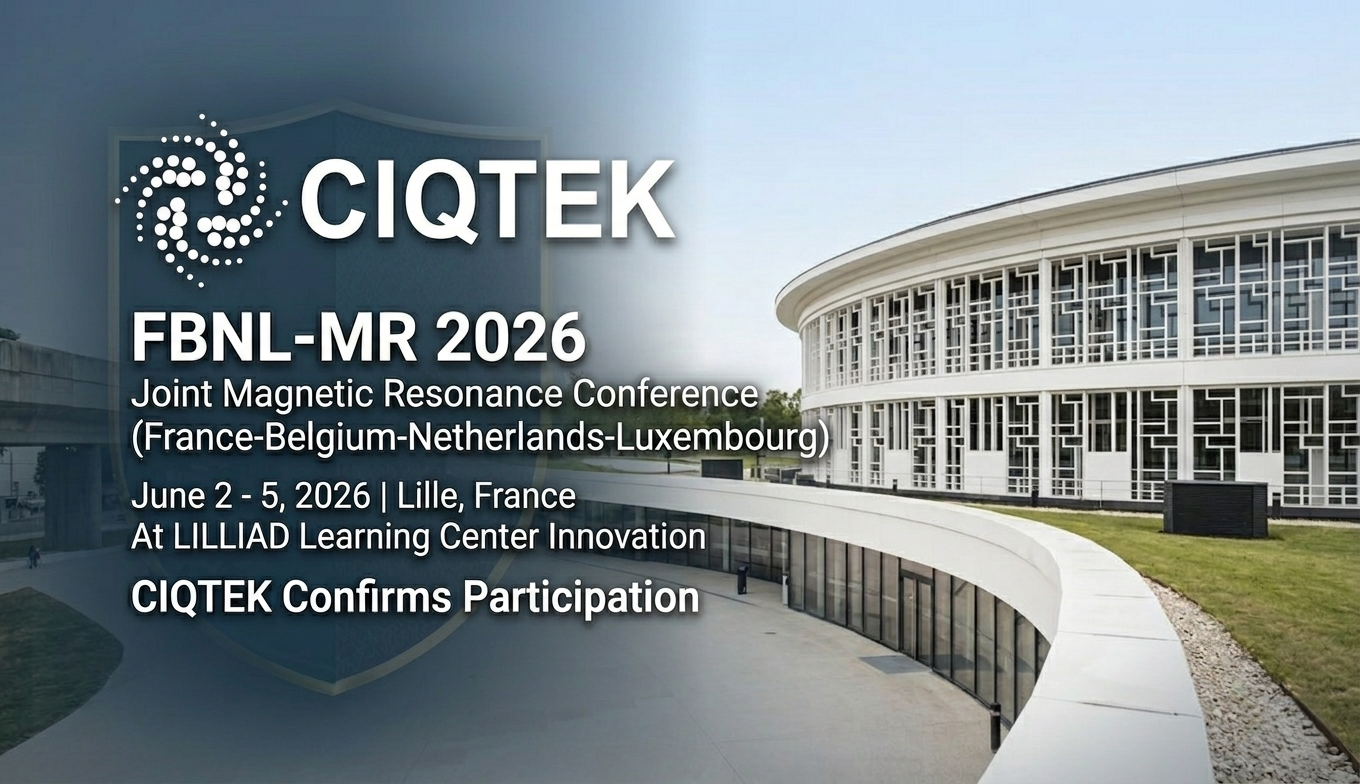
CIQTEK, a leader in high-end scientific instrumentation, is proud to participate in the FBNL Joint Magnetic Resonance Conference (FBNL-MR 2026) from June 2 to 5 at the University of Lille, France.


Innovation at the Booth

Visit the CIQTEK team to explore our advanced portfolio of EPR (ESR) and NMR spectrometers. Our application specialists will be on-site to discuss how CIQTEK’s precision measurement technologies support complex research in materials science, chemistry, and life sciences.


Don’t Miss Our Talk

Join our Magnetic Resonance Solution Manager, Dr. Jeff Sun, for a 10-minute presentation on the future of EPR spectroscopy:

  • Topic: Next-Generation EPR: Combining High-Performance Q-Band Instrumentation with Artificial Intelligence Enhanced Spectral Processing

  • Highlight: Learn how CIQTEK integrates high-frequency Q-Band hardware with AI algorithms to revolutionize spectral resolution and data efficiency.


We look forward to connecting with the magnetic resonance communities of France, Belgium, the Netherlands, and Luxembourg.


For inquiries, visit www.ciqtekglobal.com or contact info@ciqtek.com.

阅读全文......

CIQTEK SEM and EPR Reveal a New Pathway for Nickel-Citrate Removal

With the rapid expansion of new energy, mining, metallurgy, and electroplating industries, nickel pollution in water bodies has become a growing threat to environmental quality and human health. During industrial processes, nickel ions often interact with various chemical additives to form highly stable heavy-metal organic complexes (HMCs). In nickel electroplating, for example, citrate (Cit) is widely used to improve coating uniformity and brightness, but the two carboxyl groups in Cit readily coordinate with Ni²⁺ to form Ni–Citrate (Ni-Cit) complexes (logβ = 6.86). These complexes significantly alter nickel’s charge, steric configuration, mobility, and ecological risks, while their stability makes them challenging to remove with conventional precipitation or adsorption methods.

Currently, "complex dissociation" is regarded as the key step in removing HMCs. However, typical oxidation or chemical treatments suffer from high cost and complicated operation. Therefore, multifunctional materials with both oxidative and adsorptive capabilities offer a promising alternative.

Researchers from Beihang University, led by Prof. Xiaomin Li and Prof. Wenhong Fan, used the CIQTEK scanning electron microscope (SEM) and electron paramagnetic resonance (EPR) spectrometer to conduct an in-depth investigation. They developed a new strategy using KOH-modified Arundo donax L. biochar to efficiently remove Ni-Cit from water. The modified biochar not only showed high removal efficiency but also enabled nickel recovery on the biochar surface. The study, titled “Removal of Nickel-Citrate by KOH-Modified Arundo donax L. Biochar: Critical Role of Persistent Free Radicals”, was recently published in Water Research.
 

CIQTEK SEM & EPR Reveal a New Pathway for Nickel-Citrate Removal


Material Characterization

Biochar was produced from Arundo donax leaves and impregnated with KOH at different mass ratios. SEM imaging (Fig. 1) revealed:

  • The original biochar (BC) exhibited a disordered rod-like morphology.

  • At a 1:1 KOH-to-biomass ratio (1KBC), an ordered honeycomb-like porous structure was formed.

  • At ratios of 0.5:1 or 1.5:1, pores were underdeveloped or collapsed.

  • BET analysis confirmed the highest surface area for 1KBC (574.2 m²/g), far exceeding other samples.

SEM and BET characterization provided clear evidence that KOH modification dramatically enhances porosity and surface area—key factors for adsorption and redox reactivity.
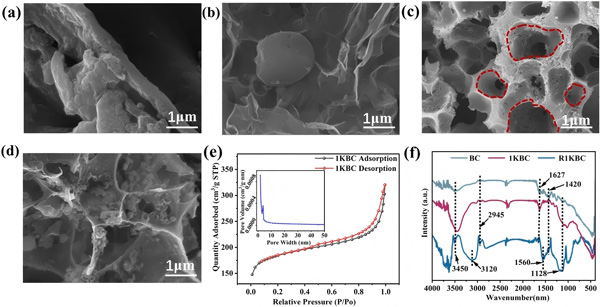
 

Figure 1. Preparation and characterization of KOH-modified biochar.Figure 1. Preparation and characterization of KOH-modified biochar.


Performance in Ni-Cit Removal
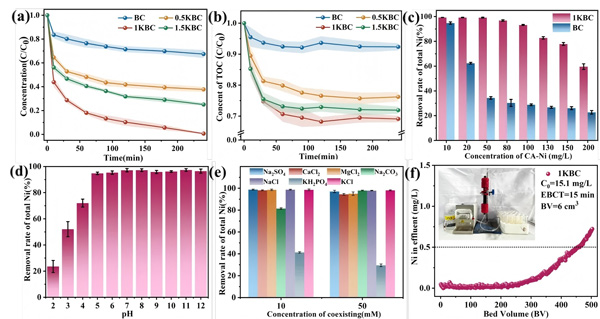
Figure 2Figure 2.
(a) Removal efficiency of total Ni by different biochars;
(b) TOC variation during Ni–Cit treatment;
(c) Effect of Ni–Cit concentration on the removal efficiency of 1KBC;
(d) Effect of pH on the removal performance of 1KBC;
(e) Influence of coexisting ions on Ni–Cit removal by 1KBC;
(f) Continuous-flow removal performance of Ni–Cit by 1KBC.
(Ni–Cit = 50 mg/L, biochar dosage = 1 g/L)


Batch experiments demonstrated strong removal performance:

  • At 50 mg/L Ni-Cit and 1 g/L material dosage, 1KBC removed 99.2% of total nickel within 4 hours, compared to 32.6% for BC.

  • TOC removal reached 31% for 1KBC, confirming that Ni-Cit undergoes complex dissociation followed by Ni²⁺ adsorption.

  • Even at 100 mg/L Ni-Cit, the removal efficiency remained above 93%.

  • 1KBC maintained excellent performance across a wide pH range (pH > 5).

  • Phosphate significantly inhibited removal due to solution acidification and competitive complexation with Ni²⁺.

  • In continuous-flow tests, a 1KBC-packed fixed-bed reactor operated for 6900 minutes, treating 460 bed volumes, while maintaining effluent Ni < 0.5 mg/L.


Post-Treatment Material Characterization
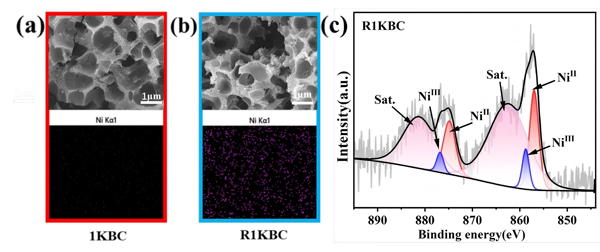
Figure 3. Morphology and EDS comparison of the material before (a) and after (b) Ni–Cit removal; (c) XPS spectra of surface Ni 2p after the removal process.Figure 3. Morphology and EDS comparison of the material before (a) and after (b) Ni–Cit removal;
(c) XPS spectra of surface Ni 2p after the removal process.


Recovered biochar (R1KBC) showed:

  • No significant morphological changes.

  • Uniform Ni distribution confirmed by EDS mapping.

  • XPS spectra displayed both Ni²⁺ and Ni³⁺ peaks, direct evidence of oxidative complex dissociation.


EPR-Based Identification of ROS

Figure 4. EPR measurementsFigure 4. EPR measurements:
(a) TEMP-trapped ¹O₂ generated by biochar;
(b, c) BMPO-trapped •OH and O₂•⁻ generated by biochar;
(d) Hyperfine splitting fitting analysis of the 1KBC signal in panel (c).


Using the CIQTEK EPR spectrometer, the team identified reactive oxygen species (ROS) generated on the biochar surface:

  • ¹O₂: strong TEMP–¹O₂ triple signal (1:1:1, AN = 17.32 G) observed only in 1KBC.

  • OH: BMPO–•OH quartet detected in both BC and 1KBC, but much stronger in 1KBC.

  • O₂•⁻: identified through BMPO–•OOH signals in methanol-containing systems.

1KBC produced significantly higher levels of ¹O₂, •OH, and O₂•⁻ than BC, confirming the enhanced redox activity induced by KOH modification.


Free Radical Quenching Experiments
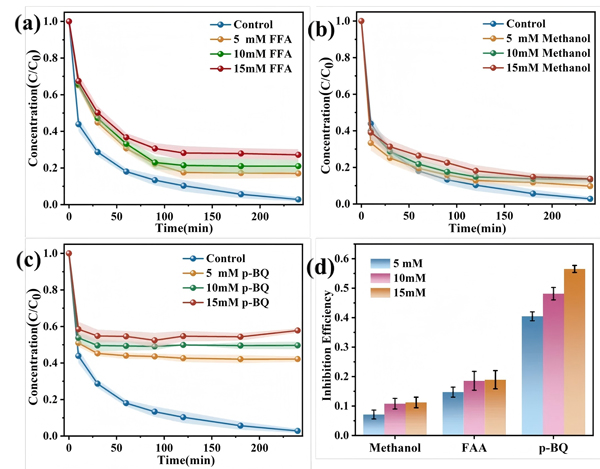
Figure 5.Figure 5.
(a) Effect of ¹O₂; (b) •OH; and (c) O₂•⁻ on Ni–Cit removal efficiency;
(d) Inhibition rates of different ROS on Ni–Cit removal.


By introducing quenchers, FFA (¹O₂), p-BQ (O₂•⁻), and methanol (•OH)—the team quantified the contributions of different ROS:

O₂•⁻ inhibition (55%) > ¹O₂ inhibition (17%) > •OH inhibition (12%)

This ranking indicates that O₂•⁻ plays the dominant role in Ni-Cit degradation and complex dissociation.


Role of PFRs and ROS Generation Mechanism
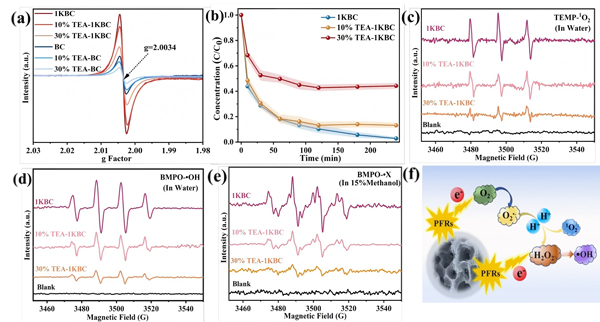
Figure 6.Figure 6.
(a) Detection of surface PFRs in biochar;
(b) Effect of PFR quenching on Ni–Cit removal by biochar;
(c) ¹O₂, (d) •OH, and (e) O₂•⁻ signals in 1KBC and TEA-treated samples;
(f) Schematic of ROS transformation pathways.


Persistent free radicals (PFRs) in biochar are closely linked to ROS formation. EPR results showed:

  • 1KBC exhibited much higher PFR concentration than BC.

  • PFRs had a g-value of 2.0034, characteristic of carbon-centered radicals adjacent to oxygen (e.g., phenoxy radicals).

  • Triethylamine (TEA) effectively quenched PFRs, reducing Ni-Cit removal efficiency to ~50% and drastically lowering ROS levels.

The mechanism (Fig. 6f):

  • Dissolved oxygen adsorbs onto the biochar surface.

  • PFRs transfer electrons to O₂, forming O₂•⁻.

  • O₂•⁻ initiates complex dissociation; subsequent ROS degrade the citrate ligand.


DFT Calculations and Mechanistic Insights
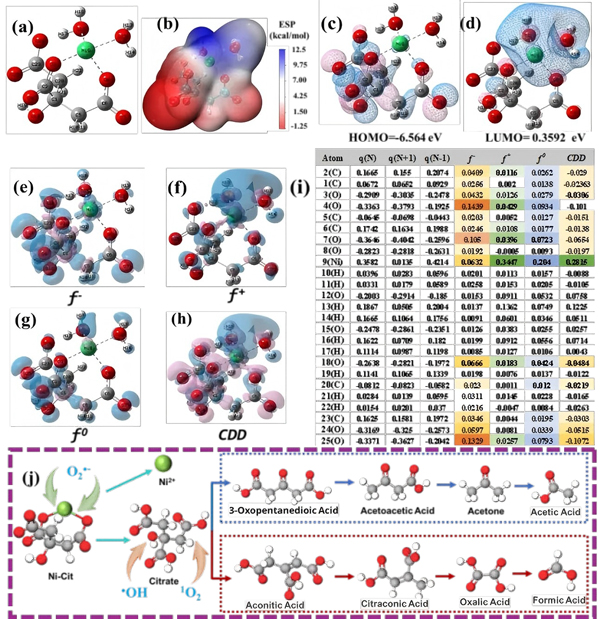
Figure 7.Figure 7.
(a) Optimized structure of Ni–Cit;
(b) Electrostatic potential (ESP) map;
(c) HOMO; (d) LUMO;
Fukui function isosurfaces of Ni–Cit:
(e) f⁻, (f) f⁺, (g) f⁰, (h) condensed dual descriptor (CDD), and (i) Fukui indices;
(j) Proposed degradation pathways of Ni–Cit.


Density functional theory (DFT) calculations clarified the molecular reaction pathways:

  • Frontier molecular orbital and Fukui function analysis revealed that the Ni center is prone to nucleophilic attack, while the citrate ligand undergoes electrophilic reactions.

  • O₂•⁻, with its strong nucleophilicity, targets the Ni center, breaking the Ni–Cit coordination.

  • Citrate ligands degrade through two ROS-mediated pathways.

These theoretical results align with EPR findings and support the proposed mechanism.


KOH-modified biochar (1KBC) achieved 99.2% Ni removal from 50 mg/L Ni-Cit solution within 4 hours. The modification significantly enhanced porosity, surface functionality, and, critically, the concentration of persistent free radicals. These PFRs activated dissolved oxygen to generate ROS, among which O₂•⁻ acted as the primary species driving Ni-Cit dissociation. Subsequent ROS degraded the citrate ligand, while released Ni²⁺ was adsorbed onto the biochar.

This study demonstrates a sustainable "one-step dissociation and recovery" approach for treating metal–organic complexes, offering strong potential for future real-world applications.
阅读全文......