Latest Electronics News & Trends | Expert Insights & Innovations
scanning electron microscopy

CIQTEK SEM and EPR Reveal a New Pathway for Nickel-Citrate Removal

With the rapid expansion of new energy, mining, metallurgy, and electroplating industries, nickel pollution in water bodies has become a growing threat to environmental quality and human health. During industrial processes, nickel ions often interact with various chemical additives to form highly stable heavy-metal organic complexes (HMCs). In nickel electroplating, for example, citrate (Cit) is widely used to improve coating uniformity and brightness, but the two carboxyl groups in Cit readily coordinate with Ni²⁺ to form Ni–Citrate (Ni-Cit) complexes (logβ = 6.86). These complexes significantly alter nickel’s charge, steric configuration, mobility, and ecological risks, while their stability makes them challenging to remove with conventional precipitation or adsorption methods.

Currently, "complex dissociation" is regarded as the key step in removing HMCs. However, typical oxidation or chemical treatments suffer from high cost and complicated operation. Therefore, multifunctional materials with both oxidative and adsorptive capabilities offer a promising alternative.

Researchers from Beihang University, led by Prof. Xiaomin Li and Prof. Wenhong Fan, used the CIQTEK scanning electron microscope (SEM) and electron paramagnetic resonance (EPR) spectrometer to conduct an in-depth investigation. They developed a new strategy using KOH-modified Arundo donax L. biochar to efficiently remove Ni-Cit from water. The modified biochar not only showed high removal efficiency but also enabled nickel recovery on the biochar surface. The study, titled “Removal of Nickel-Citrate by KOH-Modified Arundo donax L. Biochar: Critical Role of Persistent Free Radicals”, was recently published in Water Research.
 

CIQTEK SEM & EPR Reveal a New Pathway for Nickel-Citrate Removal


Material Characterization

Biochar was produced from Arundo donax leaves and impregnated with KOH at different mass ratios. SEM imaging (Fig. 1) revealed:

  • The original biochar (BC) exhibited a disordered rod-like morphology.

  • At a 1:1 KOH-to-biomass ratio (1KBC), an ordered honeycomb-like porous structure was formed.

  • At ratios of 0.5:1 or 1.5:1, pores were underdeveloped or collapsed.

  • BET analysis confirmed the highest surface area for 1KBC (574.2 m²/g), far exceeding other samples.

SEM and BET characterization provided clear evidence that KOH modification dramatically enhances porosity and surface area—key factors for adsorption and redox reactivity.
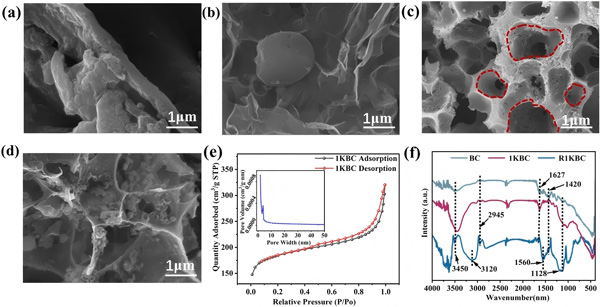
 

Figure 1. Preparation and characterization of KOH-modified biochar.Figure 1. Preparation and characterization of KOH-modified biochar.


Performance in Ni-Cit Removal
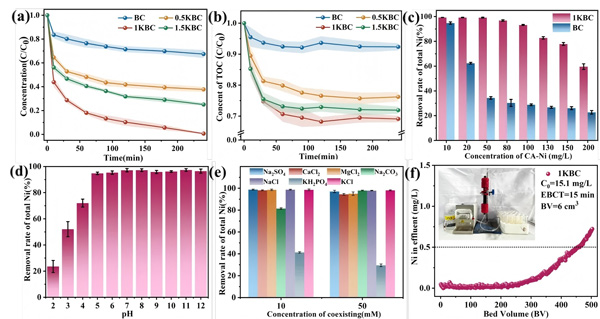
Figure 2Figure 2.
(a) Removal efficiency of total Ni by different biochars;
(b) TOC variation during Ni–Cit treatment;
(c) Effect of Ni–Cit concentration on the removal efficiency of 1KBC;
(d) Effect of pH on the removal performance of 1KBC;
(e) Influence of coexisting ions on Ni–Cit removal by 1KBC;
(f) Continuous-flow removal performance of Ni–Cit by 1KBC.
(Ni–Cit = 50 mg/L, biochar dosage = 1 g/L)


Batch experiments demonstrated strong removal performance:

  • At 50 mg/L Ni-Cit and 1 g/L material dosage, 1KBC removed 99.2% of total nickel within 4 hours, compared to 32.6% for BC.

  • TOC removal reached 31% for 1KBC, confirming that Ni-Cit undergoes complex dissociation followed by Ni²⁺ adsorption.

  • Even at 100 mg/L Ni-Cit, the removal efficiency remained above 93%.

  • 1KBC maintained excellent performance across a wide pH range (pH > 5).

  • Phosphate significantly inhibited removal due to solution acidification and competitive complexation with Ni²⁺.

  • In continuous-flow tests, a 1KBC-packed fixed-bed reactor operated for 6900 minutes, treating 460 bed volumes, while maintaining effluent Ni < 0.5 mg/L.


Post-Treatment Material Characterization
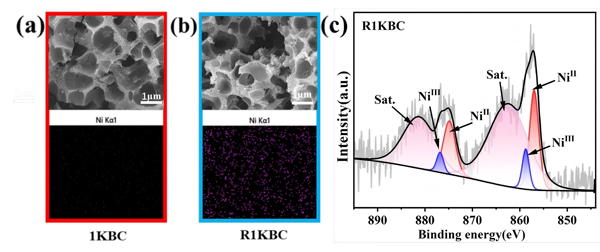
Figure 3. Morphology and EDS comparison of the material before (a) and after (b) Ni–Cit removal; (c) XPS spectra of surface Ni 2p after the removal process.Figure 3. Morphology and EDS comparison of the material before (a) and after (b) Ni–Cit removal;
(c) XPS spectra of surface Ni 2p after the removal process.


Recovered biochar (R1KBC) showed:

  • No significant morphological changes.

  • Uniform Ni distribution confirmed by EDS mapping.

  • XPS spectra displayed both Ni²⁺ and Ni³⁺ peaks, direct evidence of oxidative complex dissociation.


EPR-Based Identification of ROS

Figure 4. EPR measurementsFigure 4. EPR measurements:
(a) TEMP-trapped ¹O₂ generated by biochar;
(b, c) BMPO-trapped •OH and O₂•⁻ generated by biochar;
(d) Hyperfine splitting fitting analysis of the 1KBC signal in panel (c).


Using the CIQTEK EPR spectrometer, the team identified reactive oxygen species (ROS) generated on the biochar surface:

  • ¹O₂: strong TEMP–¹O₂ triple signal (1:1:1, AN = 17.32 G) observed only in 1KBC.

  • OH: BMPO–•OH quartet detected in both BC and 1KBC, but much stronger in 1KBC.

  • O₂•⁻: identified through BMPO–•OOH signals in methanol-containing systems.

1KBC produced significantly higher levels of ¹O₂, •OH, and O₂•⁻ than BC, confirming the enhanced redox activity induced by KOH modification.


Free Radical Quenching Experiments
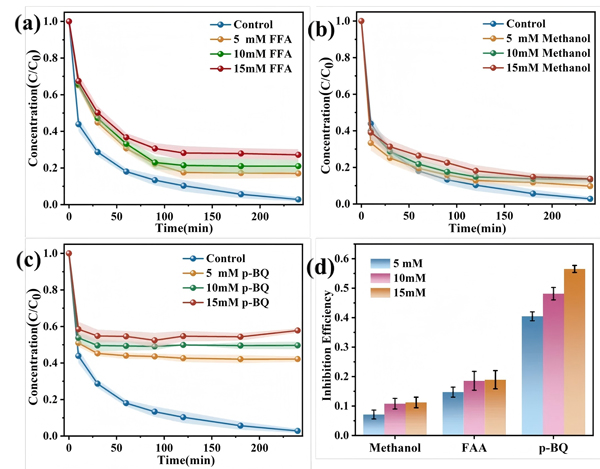
Figure 5.Figure 5.
(a) Effect of ¹O₂; (b) •OH; and (c) O₂•⁻ on Ni–Cit removal efficiency;
(d) Inhibition rates of different ROS on Ni–Cit removal.


By introducing quenchers, FFA (¹O₂), p-BQ (O₂•⁻), and methanol (•OH)—the team quantified the contributions of different ROS:

O₂•⁻ inhibition (55%) > ¹O₂ inhibition (17%) > •OH inhibition (12%)

This ranking indicates that O₂•⁻ plays the dominant role in Ni-Cit degradation and complex dissociation.


Role of PFRs and ROS Generation Mechanism
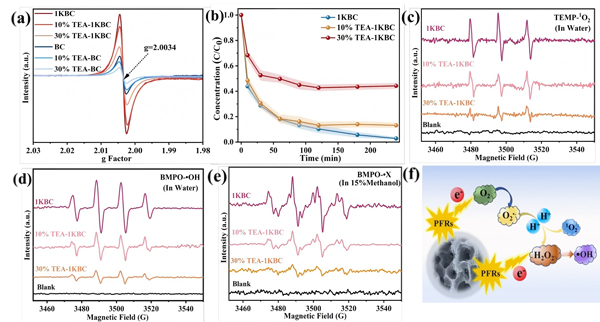
Figure 6.Figure 6.
(a) Detection of surface PFRs in biochar;
(b) Effect of PFR quenching on Ni–Cit removal by biochar;
(c) ¹O₂, (d) •OH, and (e) O₂•⁻ signals in 1KBC and TEA-treated samples;
(f) Schematic of ROS transformation pathways.


Persistent free radicals (PFRs) in biochar are closely linked to ROS formation. EPR results showed:

  • 1KBC exhibited much higher PFR concentration than BC.

  • PFRs had a g-value of 2.0034, characteristic of carbon-centered radicals adjacent to oxygen (e.g., phenoxy radicals).

  • Triethylamine (TEA) effectively quenched PFRs, reducing Ni-Cit removal efficiency to ~50% and drastically lowering ROS levels.

The mechanism (Fig. 6f):

  • Dissolved oxygen adsorbs onto the biochar surface.

  • PFRs transfer electrons to O₂, forming O₂•⁻.

  • O₂•⁻ initiates complex dissociation; subsequent ROS degrade the citrate ligand.


DFT Calculations and Mechanistic Insights
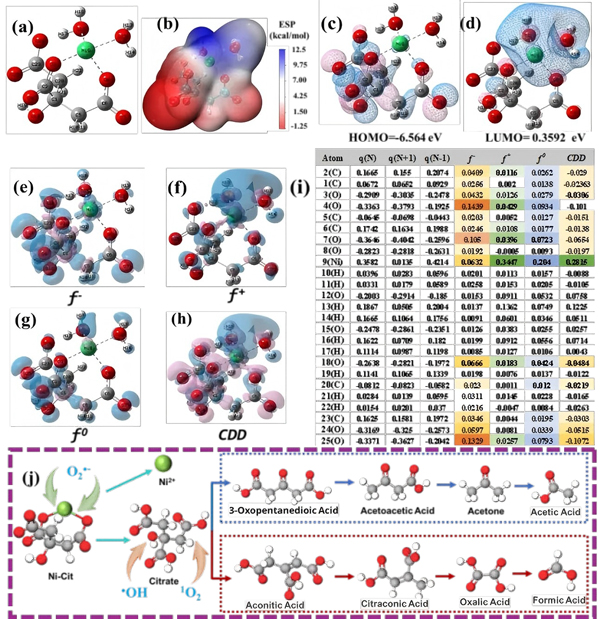
Figure 7.Figure 7.
(a) Optimized structure of Ni–Cit;
(b) Electrostatic potential (ESP) map;
(c) HOMO; (d) LUMO;
Fukui function isosurfaces of Ni–Cit:
(e) f⁻, (f) f⁺, (g) f⁰, (h) condensed dual descriptor (CDD), and (i) Fukui indices;
(j) Proposed degradation pathways of Ni–Cit.


Density functional theory (DFT) calculations clarified the molecular reaction pathways:

  • Frontier molecular orbital and Fukui function analysis revealed that the Ni center is prone to nucleophilic attack, while the citrate ligand undergoes electrophilic reactions.

  • O₂•⁻, with its strong nucleophilicity, targets the Ni center, breaking the Ni–Cit coordination.

  • Citrate ligands degrade through two ROS-mediated pathways.

These theoretical results align with EPR findings and support the proposed mechanism.


KOH-modified biochar (1KBC) achieved 99.2% Ni removal from 50 mg/L Ni-Cit solution within 4 hours. The modification significantly enhanced porosity, surface functionality, and, critically, the concentration of persistent free radicals. These PFRs activated dissolved oxygen to generate ROS, among which O₂•⁻ acted as the primary species driving Ni-Cit dissociation. Subsequent ROS degraded the citrate ligand, while released Ni²⁺ was adsorbed onto the biochar.

This study demonstrates a sustainable "one-step dissociation and recovery" approach for treating metal–organic complexes, offering strong potential for future real-world applications.
阅读全文......

CIQTEK SEM Enables Breakthrough Solid-State Battery Research by Tsinghua SIGS, Published in Nature

Solid-state lithium metal batteries (SSLMBs) are widely recognized as the next-generation power source for electric vehicles and large-scale energy storage, offering high energy density and excellent safety. However, their commercialization has long been limited by the low ionic conductivity of solid electrolytes and poor interfacial stability at the solid–solid interface between electrodes and electrolytes. Despite significant progress in improving ionic conductivity, interfacial failure under high current density or low-temperature operation remains a major bottleneck.

A research team led by Prof. Feiyu Kang, Prof. Yanbing He, Assoc. Prof. Wei Lü, and Asst. Prof. Tingzheng Hou from the Institute of Materials Research, Tsinghua Shenzhen International Graduate School (SIGS), in collaboration with Prof. Quanhong Yang from Tianjin University, has proposed a novel design concept of a ductile solid electrolyte interphase (SEI) to tackle this challenge. Their study, entitled “A ductile solid electrolyte interphase for solid-state batteries”, was recently published in Nature.


CIQTEK SEM Powers Nature-Published Study on Solid-State Batteries


CIQTEK FE-SEM Enables High-Resolution Interface Characterization

In this study, the research team utilized the CIQTEK Field Emission Scanning Electron Microscope (SEM4000X) for microstructural characterization of the solid–solid interface. CIQTEK’s FE-SEM provided high-resolution imaging and excellent surface contrast, enabling researchers to precisely observe the morphology evolution and interfacial integrity during electrochemical cycling.


CIQTEK SEM Powers Nature-Published Study on Solid-State Batteries


Ductile SEI: A New Pathway Beyond the "Strength-Only" Paradigm

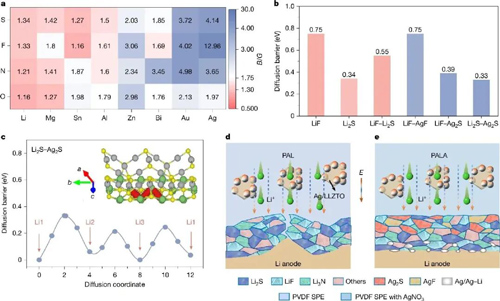
Traditional inorganic-rich SEIs, though mechanically stiff, tend to suffer from brittle fracture during cycling, leading to lithium dendrite growth and poor interfacial kinetics. The Tsinghua team broke away from the “strength-only” paradigm by emphasizing “ductility” as a key design criterion for SEI materials. Using the Pugh’s ratio (B/G ≥ 1.75) as an indicator of ductility and AI-assisted screening, they identified silver sulfide (Ag₂S) and silver fluoride (AgF) as promising inorganic components with superior deformability and low lithium-ion diffusion barriers.

Building on this concept, the researchers developed an organic–inorganic composite solid electrolyte containing AgNO₃ additives and Ag/LLZTO (Li₆.₇₅La₃Zr₁.₅Ta₀.₅O₁₂) fillers. During battery operation, an in-situ displacement reaction transformed the brittle Li₂S/LiF SEI components into ductile Ag₂S/AgF layers, forming a gradient “soft-outside, strong-inside” SEI structure. This multi-layered design effectively dissipates interfacial stress, maintains structural integrity under harsh conditions, and promotes uniform lithium deposition.


Figure 1. Schematic illustration of the component screening and functional mechanism of the ductile SEI during solid-state battery cycling.Figure 1. Schematic illustration of the component screening and functional mechanism of the ductile SEI during solid-state battery cycling.


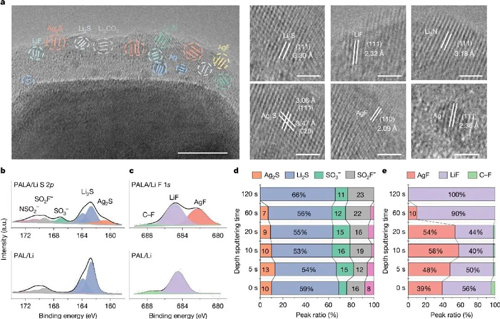
Figure 2. Structural and compositional analysis of the inorganic-rich ductile SEI.


Exceptional Electrochemical Performance

With this ductile SEI, the solid-state batteries demonstrated remarkable electrochemical stability:

  • Over 4,500 hours of stable cycling at 15 mA cm⁻² and 15 mAh cm⁻² at room temperature.

  • Over 7,000 hours of stable cycling at −30 °C under 5 mA cm⁻².

  • Full cells paired with LiNi₀.₈Co₀.₁Mn₀.₁O₂ (NCM811) cathodes exhibited excellent high-rate (20 C) and low-temperature performance.


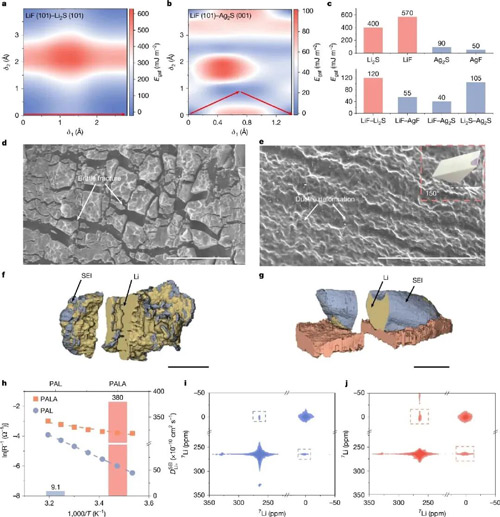
Figure 3. Exceptional plastic deformability and mechanical stability of the inorganic-rich ductile SEI.Figure 3. Exceptional plastic deformability and mechanical stability of the inorganic-rich ductile SEI.


A Breakthrough Strategy for Interface Engineering in Solid-State Batteries

This research provides a new theoretical and practical framework for designing ideal SEI structures, marking a significant step toward commercially viable solid-state batteries. By integrating mechanical ductility with high ionic conductivity, the study opens up a new direction in solid-state electrolyte and interfacial material design.


Reference:
Kang, F. Y., He, Y. B., Lü, W., Hou, T. Z., Yang, Q. H., et al. (2025). A ductile solid electrolyte interphase for solid-state batteries. Nature.
https://www.nature.com/articles/s41586-025-09675-8

阅读全文......

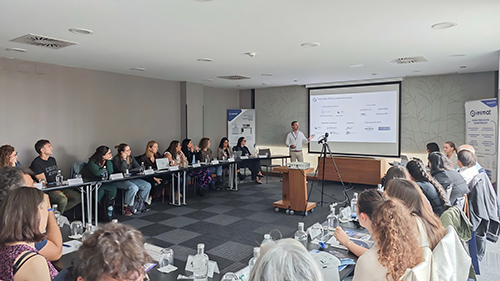
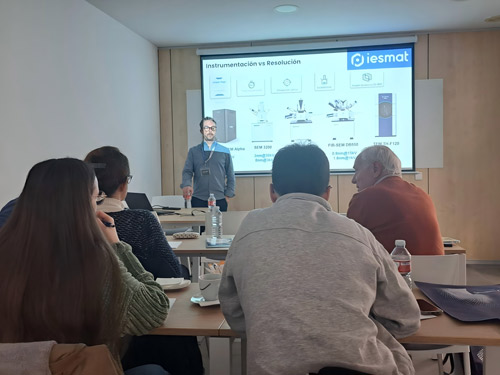
CIQTEK SEM Solutions Highlighted at the 2nd IESMAT Electron Microscopy Day, Spain

The 2nd IESMAT Electron Microscopy Day was successfully held on November 6, 2025, in Madrid, Spain, bringing together dozens of microscopy experts, researchers, and professionals from Spain and Portugal. The event served as a valuable platform for sharing knowledge, exploring the latest microscopy technologies, and strengthening connections within the Iberian microscopy community.

As CIQTEK’s official partner in Spain and PortugalIESMAT provides localized support and professional service for CIQTEK electron microscopy solutions in the region. This year, the event was also recognized by the Portuguese Society of Microscopy, further expanding its reach and influence among the scientific and industrial communities.


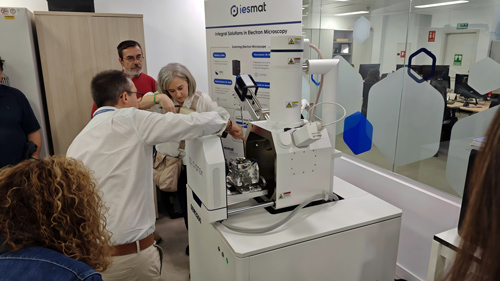
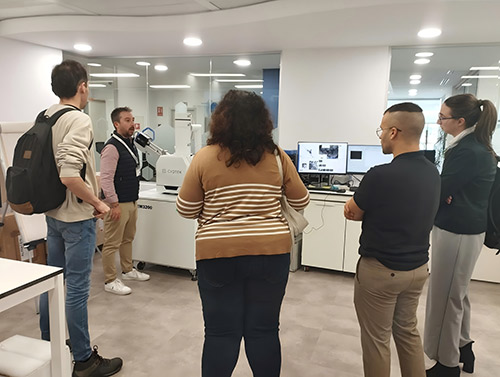
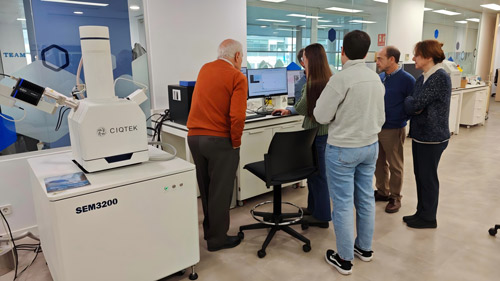
During the meeting, IESMAT presented an in-depth introduction to CIQTEK’s electron microscope product portfolio, highlighting advanced features and application advantages of the CIQTEK SEM series. A live demonstration using the CIQTEK Tungsten Filament SEM3200 allowed attendees to experience its high-resolution imaging capabilities and intuitive operation firsthand. The hands-on session sparked active discussions, with many participants engaging directly with IESMAT experts for technical insights and practical guidance.


IESMAT Demonstrating the CIQTEK SEM3200IESMAT Demonstrating the CIQTEK SEM3200


The event also featured a series of technical presentations and open discussions on microscopy applications across materials science, nanotechnology, and life sciences, reflecting the growing interest and demand for high-performance, user-friendly microscopy tools in the Iberian market.


CIQTEK SEM Solutions Featured at IESMAT Electron Microscopy Day


Looking ahead, CIQTEK and IESMAT will continue to deepen their collaboration to provide cutting-edge electron microscopy technologiescomprehensive customer support, and training opportunities to researchers and laboratories in Spain and Portugal. Together, they aim to empower scientific discovery and innovation through accessible, high-quality instrumentation.

阅读全文......

Xi'an Jiaotong University Builds Advanced In-situ Materials Research Platform with CIQTEK Field Emission SEM

Cutting-edge research platform for micro/nanoscale material behavior studies

The Center for Micro/Nanoscale Behavior of Materials at Xi’an Jiaotong University (XJTU) has established a comprehensive in-situ materials performance research platform based on the CIQTEK SEM4000 Field Emission Scanning Electron Microscope (FE-SEM). By integrating multiple in-situ testing systems, the center has achieved remarkable progress in the application of in-situ SEM techniques and advanced materials science research.


Leading national research infrastructure

The XJTU Center for Micro/Nanoscale Behavior of Materials focuses on the structure–property relationship of materials at the micro/nanoscale. Since its establishment, the center has published over 410 high-impact papers, including in Nature and Science, demonstrating outstanding scientific output.

The center houses one of the most advanced in-situ materials performance research platforms in China, equipped with large-scale systems such as a Hitachi 300 kV environmental TEM with quantitative nanomechanical–thermal coupling capabilities and an environmental aberration-corrected TEM for atomic-scale in-situ studies of thermo-mechanical-gas interactions. Together, these instruments provide powerful technical support for frontier materials research.


Efficient and seamless experience with CIQTEK SEM

In 2024, the center introduced the CIQTEK SEM4000 Field Emission Scanning Electron Microscope.
Dr. Fan Chuanwei, equipment manager at the center, remarked:

“The resolution and stability of the CIQTEK SEM4000 perfectly meet our research demands. What impressed us most was the efficiency. It took less than four months from equipment installation to our first paper published using the system, and the entire process from procurement to operation and after-sales was highly efficient.”


Regarding customized services, Dr. Fan added:

“For our in-situ SEM experiments, CIQTEK tailored a real-time video recording module and designed customized adapter stages for various in-situ setups. The rapid response and flexibility of the CIQTEK team fully demonstrate their professional expertise.”


Integrated in-situ testing capabilities

The SEM4000 platform at XJTU has successfully integrated three core in-situ testing systems, forming a complete in-situ mechanical performance research capability.

  • Bruker Hysitron PI 89 Nanomechanical Test System – Enables nanoindentation, tensile, fracture, fatigue, and mechanical property mapping. It has been extensively used in micro/nanoscale mechanical testing of semiconductor devices, leading to significant results in semiconductor materials research.

  • KW In-situ Tensile Stage – Offers a loading range from 1 N to 5 kN and supports various grips, including standard compression/tension, compact tension, three-point bending, and fiber tensile testing. Combined with SEM imaging, it allows real-time correlation of mechanical data with microstructural evolution, providing critical insights into deformation mechanisms.

  • Custom In-situ Torsion Stage – Developed by Prof. Wei Xueyong’s team at the School of Instrument Science and Engineering, XJTU, this system enables torsional deformation studies under SEM observation, adding a unique capability to the research platform.


Xi'an Jiaotong University Builds Advanced In-situ Materials Research Platform with CIQTEK Field Emission SEMCIQTEK Field Emission SEM4000 at Xi'an Jiaotong University


Dr. Fan commented:

“The systems are well integrated with the SEM and easy to operate. Our researchers quickly became proficient, and these combined techniques have provided a wealth of valuable experimental data and scientific discoveries.”


SEM4000: Designed for in-situ excellence

The outstanding performance of SEM4000 in in-situ studies benefits from its purpose-built engineering design. According to CIQTEK engineers, the large chamber and long-travel stage provide ample space and stability for complex in-situ setups, which is a key advantage over conventional SEMs.

Its modular architecture, featuring 16 flange interfaces, allows flexible customization of vacuum ports and electrical feedthroughs for different in-situ devices. This design makes integration and system expansion remarkably straightforward.

In addition, the integrated in-situ video recording function enables continuous observation and recording of microstructural evolution during experiments, providing crucial data for dynamic process analysis and mechanism exploration.


Xi'an Jiaotong University Builds Advanced In-situ Materials Research Platform with CIQTEK Field Emission SEM


Continuous innovation for future research

Looking ahead, the XJTU center plans several technology development initiatives based on the SEM4000 platform, reflecting strong confidence in the long-term advancement of CIQTEK scientific instruments.

“We plan to add in-situ heating and EBSD modules for high-temperature and EBSD observations. We also aim to extend our self-developed quantitative in-situ mechanical analysis software, which was originally developed for TEM, to SEM applications. Furthermore, we’re developing an ‘SEM AI Agent’ system to enable automated operation, image acquisition, and data processing through AI assistance,” said Dr. Fan.

“With these continuous improvements, we hope to achieve more breakthroughs in understanding micro/nanoscale material behavior while contributing to the progress and broader adoption of advanced domestic scientific instruments. With CIQTEK’s support, we are confident in realizing these goals.”


The collaboration between Xi'an Jiaotong University and CIQTEK demonstrates the strong potential and technological depth of CIQTEK's high-end scientific instruments in frontier research. From the first paper produced within four months to the successful integration of multiple in-situ testing systems, the CIQTEK SEM4000 has proven to be a cornerstone of XJTU’s advanced materials research platform, earning recognition from one of the nation’s leading research institutions.

阅读全文......

CIQTEK Strengthens Its Presence in Spain with the SEM Demo Station at IESMAT

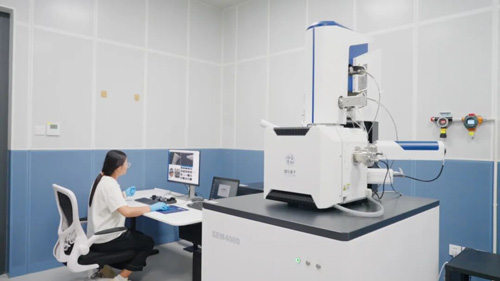
CIQTEK continues to expand its presence in Europe with the establishment of an SEM demo station in Spain, operated by the trusted local distributor IESMAT. Located in Madrid, the demo station features a CIQTEK High-Performance and Universal Tungsten Filament SEM Microscope SEM3200, providing Spanish users with convenient access to live demonstrations, sample testing, and hands-on operation. The facility also offers professional Spanish-language service and technical consultation, helping local customers better understand and apply CIQTEK’s advanced electron microscopy technologies.


Since the installation of the CIQTEK SEM3200, IESMAT has actively organized a series of seminars and workshops throughout 2025, typically held every one to two months. These events welcome researchers and professionals from academia and industry to explore the performance and advantages of CIQTEK scanning electron microscopes through hands-on sessions and interactive learning experiences.


IESMAT SEM Workshop in January 2025, SpainIESMAT SEM Workshop in January 2025


IESMAT SEM Seminar in Feb, 2025, SpainIESMAT SEM Seminar in Feb, 2025


IESMAT Most Recent SEM Seminar in Sep, 2025, SpainIESMAT Most Recent SEM Seminar in Sep, 2025


The next event, IESMAT Electron Microscopy Day II, will take place on November 6, 2025, in Madrid. Participants will enjoy:

  • Live hands-on electron microscopy with the CIQTEK SEM3200

  • Cutting-edge analytics using EDS and EBSD

  • Insights into current trends and future directions of electron microscopy in Spain


The SEM demo station at IESMAT marks an important milestone in CIQTEK’s European development strategy. It enhances local accessibility to advanced electron microscopy technologies and provides researchers with authentic, real-world experience. Through close collaboration with partners like IESMAT, CIQTEK is deepening its engagement with the European market, promoting innovation, and building stronger connections with the scientific community.


CIQTEK remains committed to empowering global users through advanced instrumentation, localized service, and continuous collaboration for scientific progress.

阅读全文......

CIQTEK Hosts GSEM Team for Comprehensive Electron Microscope Training

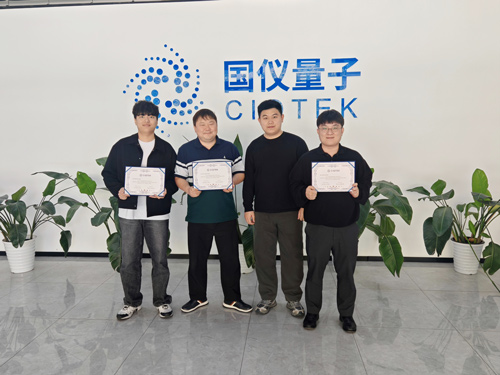
This week, CIQTEK was pleased to welcome the team from our Korean distributor GSEM to the CIQTEK Electron Microscope Factory in Wuxi, China. The visit included members from sales, application, and service departments, who participated in a series of intensive and professional training sessions focused on electron microscope operation and maintenance.


The CIQTEK Electron Microscope Factory serves as the company’s dedicated manufacturing and training center for electron microscopy systems. Equipped with advanced production facilities, precision assembly lines, and demonstration laboratories, the factory integrates R&D, manufacturing, quality control, and user training to ensure high performance and reliability across CIQTEK SEMFIB-SEM, and TEM product lines.


CIQTEK Provides Professional SEM Training for GSEM Team


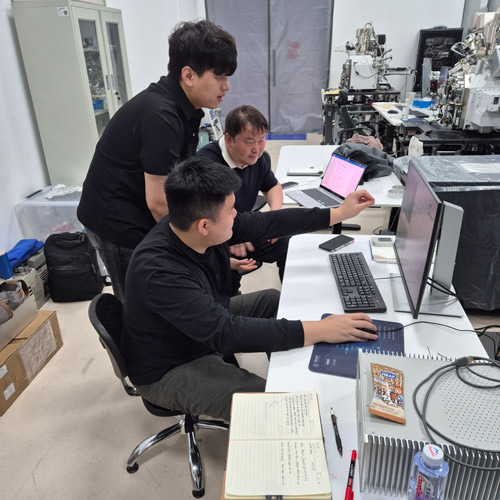
The training was hosted by Mr. Gao, Head of the Electron Microscopy Solutions Department at CIQTEK, together with senior engineers from the CIQTEK electron microscopy team. During the program, participants received systematic instruction on key procedures such as ion pump baking, aperture position inspection, filament centering, high-resolution imaging practice, and accessory installation and calibration.

Throughout the week, the GSEM team worked closely with CIQTEK engineers to gain both theoretical and practical understanding of CIQTEK’s electron microscopy technology. The sessions were designed to ensure that GSEM’s sales and service engineers are fully equipped with the technical expertise required to support local customers in Korea, from system installation and operation to advanced troubleshooting and maintenance.


CIQTEK Provides Professional SEM Training for GSEM Team


This training not only enhanced GSEM’s technical capabilities but also strengthened the partnership between CIQTEK and GSEM. With continuous collaboration in product knowledge, application support, and customer service, CIQTEK and GSEM will jointly provide more professional, efficient, and reliable solutions to the Korean electron microscopy market.


CIQTEK remains committed to empowering global partners through professional training, technical collaboration, and continuous innovation in scientific instrumentation.

阅读全文......

CIQTEK Electron Microscopy Advances its Global Footprint at ESEM 2025 in Egypt

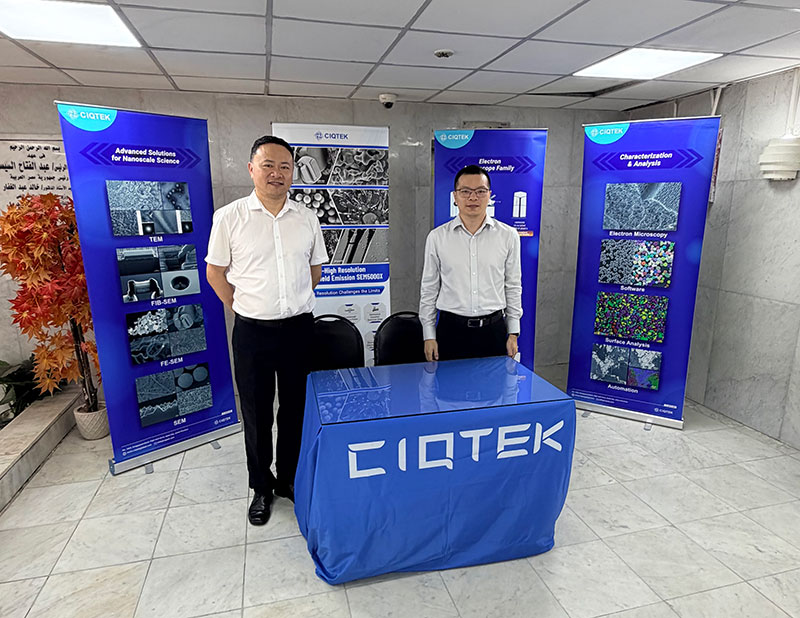
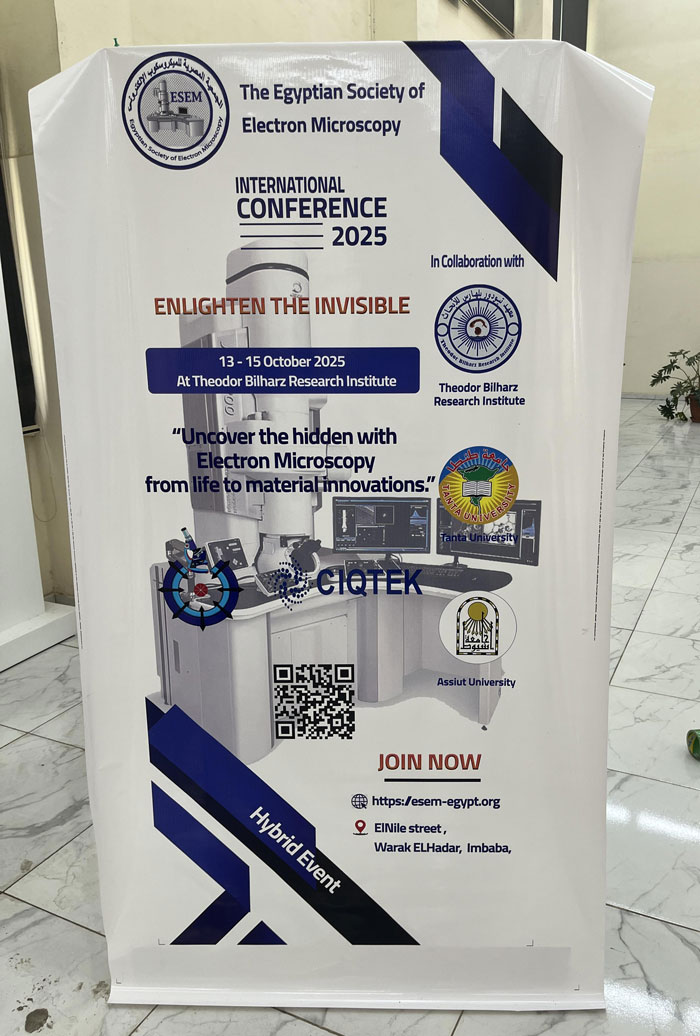
CIQTEK is honored to have participated in the Egyptian Society of Electron Microscopy (ESEM) International Conference 2025, held October 13–15 at the Theodor Bilharz Research Institute (TBRI) in Giza, Egypt. This event convened electron microscopy experts, researchers, and industry representatives from across the Middle East, Africa, and beyond, advancing the frontiers of microscopy in both life sciences and materials research.

This year’s theme, “The Role of Electron Microscopy in Enlightening the Invisible”, resonated across sessions on neuropathology, renal biopsy, infectious agents, nanostructure imaging, and emerging microscopy techniques. TBRI played a central role in organizing the event, in cooperation with Egyptian universities such as Tanta and Assiut.


CIQTEK SEM Advances its Global Footprint at ESEM 2025 in Egypt


CIQTEK’s Contributions & Engagement

At ESEM 2025, CIQTEK showcased its SEM product line, including FIBSEMFESEM, and Tungsten Filament SEM. Our booth drew interest from both biological and materials science researchers, keen to see real-sample imaging, low-voltage performance, and analytical integration.

Beyond exhibits, CIQTEK representatives engaged in technical exchange, discussing how advanced SEM tools can bolster regional research infrastructure. We emphasized our commitment to delivering high-performing instruments, competitive pricing, and local support networks to facilitate adoption in diverse labs across the region.


CIQTEK SEM Advances its Global Footprint at ESEM 2025 in Egypt


Impact & Outlook

The conference underscored how microscopy continues to unveil the unseen—from cellular ultrastructure to nanomaterial phenomena. For many participants, this was a rare opportunity to access a wide spectrum of imaging techniques under one roof, and to converse directly with vendors like CIQTEK.


By engaging with local scientists and institutions, CIQTEK deepens its global reach and contributes to the growth of microscopy in underrepresented regions. We look forward to continuing our support in Africa and the Middle East through instrument installations, training, and responsive service.

阅读全文......

CIQTEK Unveils 4D-STEM Solution for Advanced Electron Microscopy

Four-dimensional scanning transmission electron microscopy (4D-STEM) is one of the most cutting-edge directions in electron microscopy. By performing a two-dimensional scan across the sample surface while recording a full diffraction pattern at each scan point with a pixelated detector, 4D-STEM generates a four-dimensional dataset containing both real-space and reciprocal-space information.

This technique breaks through the limitations of conventional electron microscopy that typically collects only a single scattering signal. Instead, it captures and analyzes the entire spectrum of electron–sample interactions. With 4D-STEM, researchers can achieve multiple advanced functionalities within a single experiment, including virtual imaging, crystal orientation and strain mapping, electric and magnetic field distribution analysis (differential phase contrast), and even atomic-resolution reconstruction through diffraction stacking. It greatly expands the dimensionality and depth of materials characterization, offering an unprecedented tool for nanoscience and materials research.


At the Chinese National Conference on Electron Microscopy 2025 (Sept 26–30, Wuhan), CIQTEK releases its 4D-STEM solution, designed to break through the boundaries of traditional imaging and deliver data with unmatched dimensionality and analytical power.


System Workflow

CIQTEK Unveils 4D-STEM Solution for Advanced Electron Microscopy-workflow


The CIQTEK 4D-STEM solution features high spatial resolution, multi-dimensional analysis, low-dose operation to minimize beam damage, and flexible data processing, providing researchers with reliable and outstanding methods for advanced materials analysis.

阅读全文......

CIQTEK Cryo-SEM Solution Enables Damage-Free, High-Resolution Imaging of Biological Samples

In the fields of life sciences, biomedicine, food inspection, and soft matter research, achieving high-resolution imaging of hydrated and beam-sensitive samples has always been a major challenge. Conventional sample preparation methods, such as chemical fixation, dehydration, and drying, often result in shrinkage, deformation, or structural damage, leading to results that deviate from the true state of the sample.


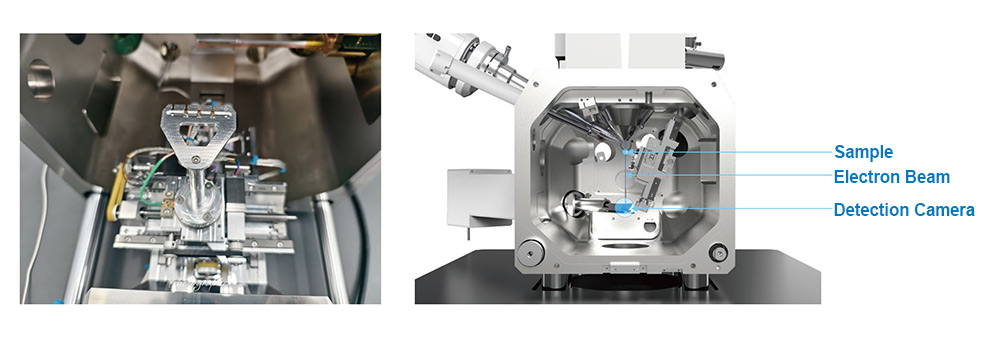
Leveraging its advanced scanning electron microscopy technology, CIQTEK has introduced the Cryo-SEM Solution, which integrates low-temperature freezing and vacuum transfer. This enables in-situ, non-destructive, and high-fidelity microscopic observation of biological and sensitive samples, truly “freezing” the microscopic details of life.


With liquid-nitrogen slush rapid-freezing technology, samples can be vitrified instantly at -210 °C, preserving their original morphology and chemical composition to the greatest extent. The integrated cryo-preparation system combines freeze-fracture, sublimation coating, and low-temperature transfer, avoiding the complexity and potential errors of conventional manual preparation. Throughout the entire process, samples are maintained under cryogenic vacuum conditions and transferred to the SEM cryo-stage, where high-resolution imaging at -180 °C effectively suppresses electron beam damage and significantly improves image quality.


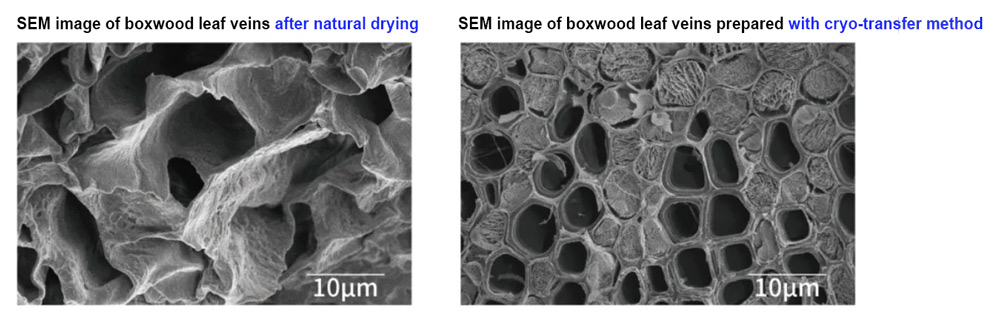
Cryo-prepared boxwood leaf showing intact vein structures, while the untreated sample exhibits severe shrinkage.

Cryo-prepared boxwood leaf showing intact vein structures, while the untreated sample exhibits severe shrinkage.


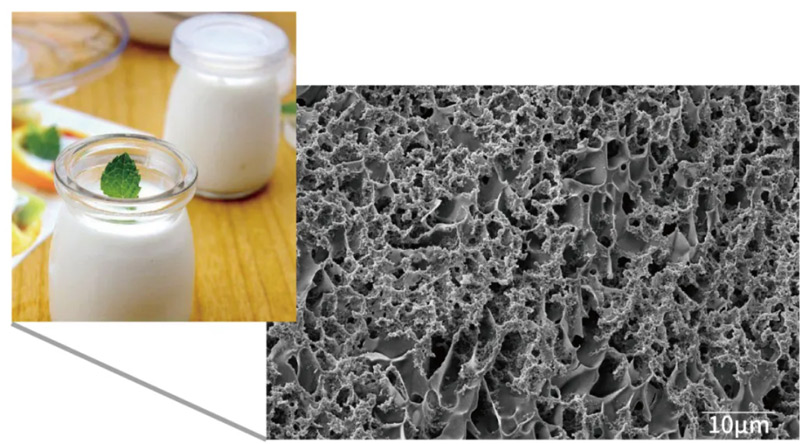
Yogurt

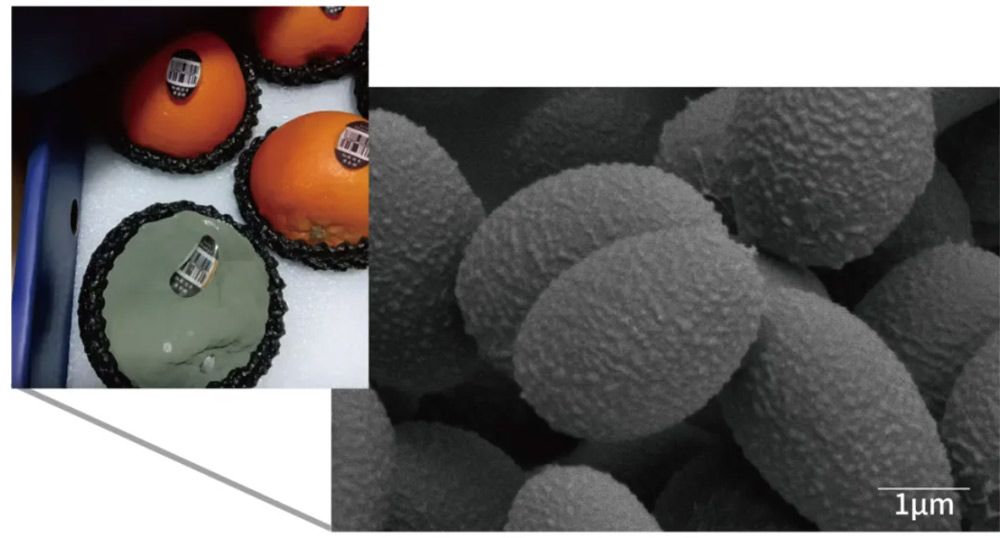
Cryo-prepared yogurt sample clearly reveals protein networks and fungal hyphae.


Mold

Cryo-prepared yogurt sample clearly reveals protein networks and fungal hyphae.

Cryo-prepared yogurt sample clearly reveals protein networks and fungal hyphae.


In addition, the system offers strong compatibility, adaptable across CIQTEK's full range of SEMs and dual-beam FIBSEM systems, meeting diverse needs from routine observation to advanced analysis.


The CIQTEK Cryo-SEM Solution is more than just a set of instruments. It embodies a scientific approach dedicated to faithfully restoring the microscopic world. It empowers researchers to overcome technical limitations, capture critical details at the micro scale of life, and drive both fundamental research and applied development to new heights.


September 26–30, Wuhan

At the 2025 Chinese Electron Microscopy Academic Conference, CIQTEK will unveil eight cutting-edge EM solutions.

Stay tuned!

阅读全文......