Latest Electronics News & Trends | Expert Insights & Innovations

The Working Principle and Design Structure of Terminal Blocks

Terminal blocks are one of the most basic and crucial components in electrical connections, with the core objective of achieving safe, reliable, and convenient wire connections.

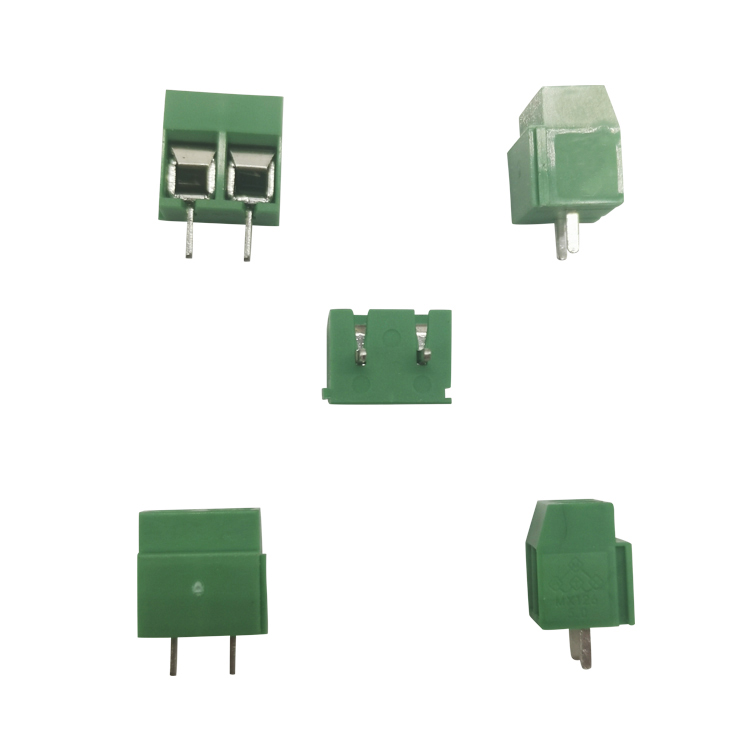
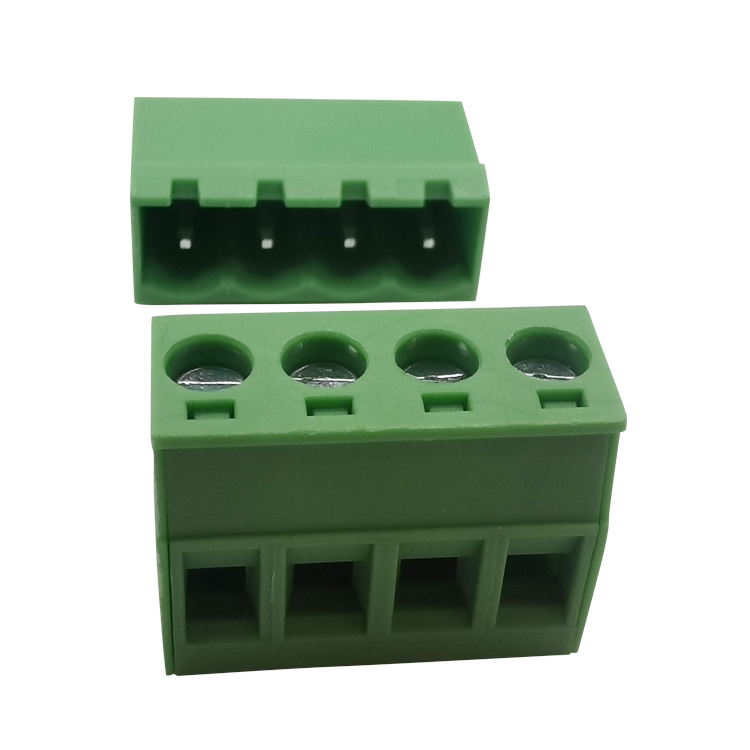
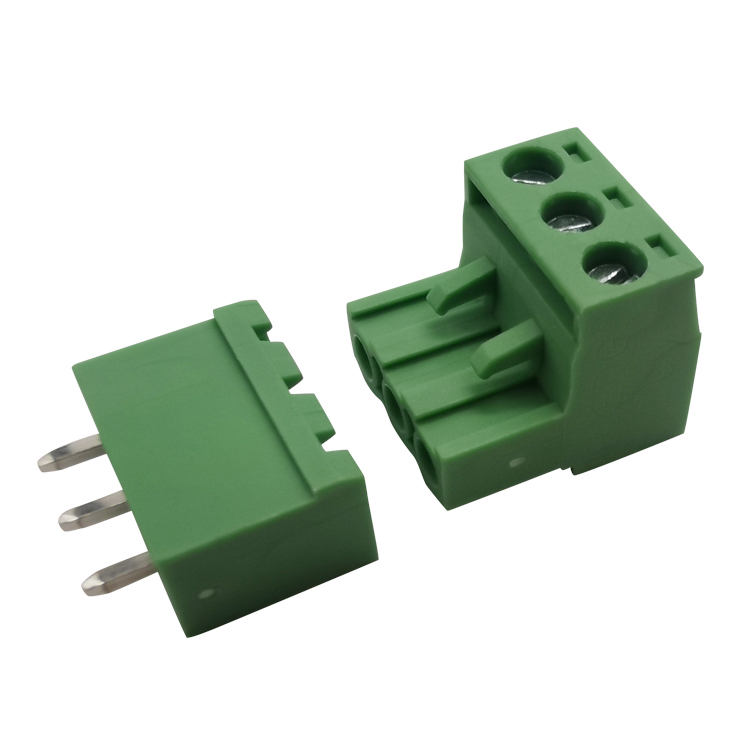
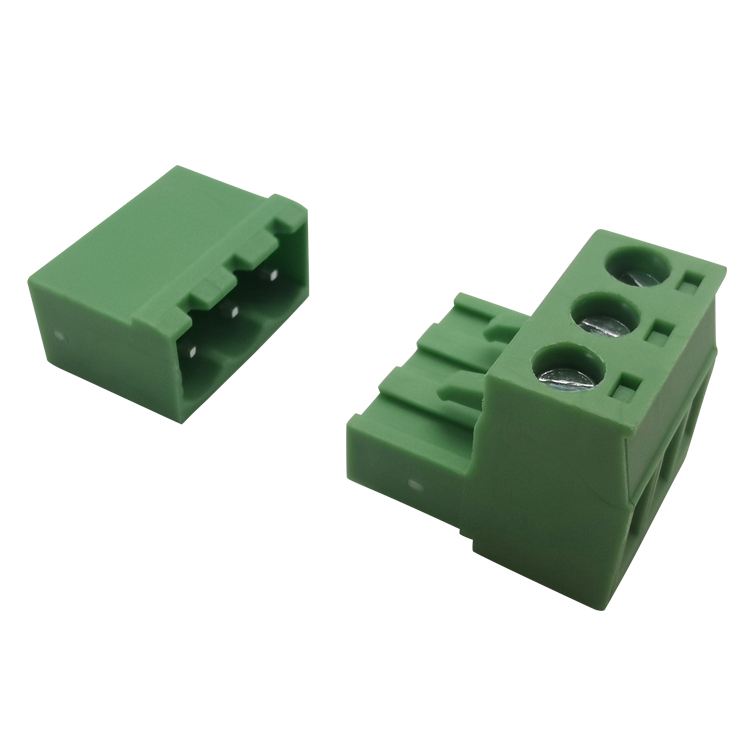
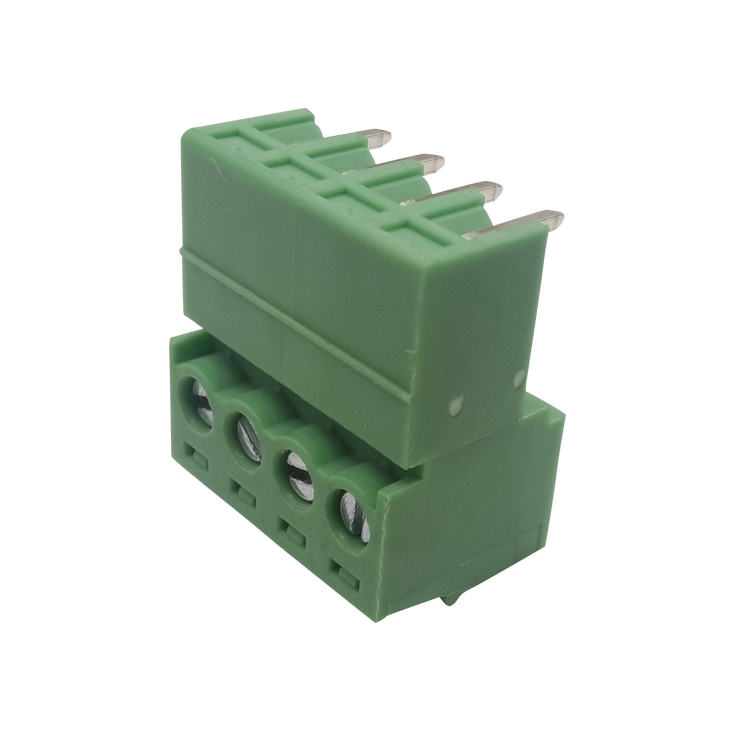
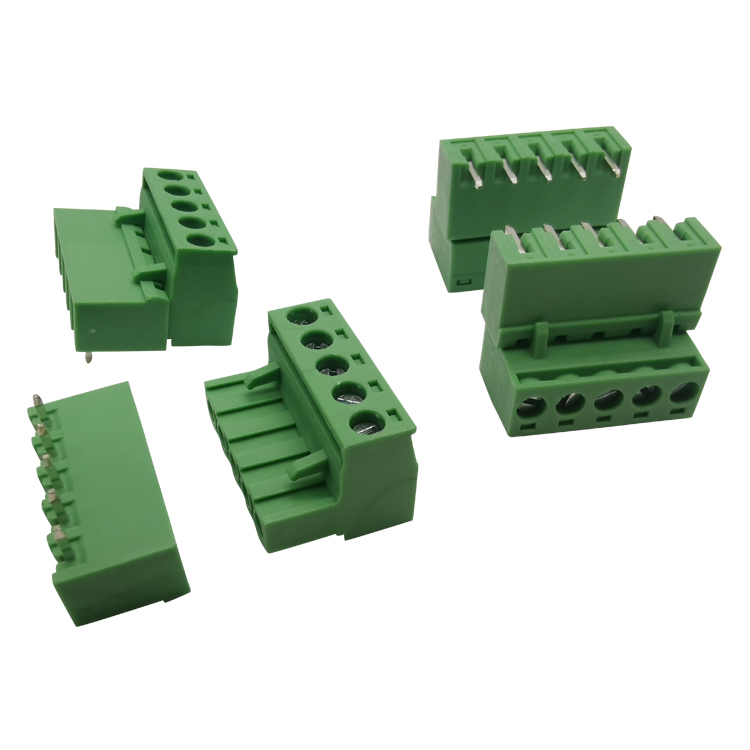
8 pole terminal  block

I. Operating Principle

The basic principle of a 8 pole terminal  block can be summarized as follows: through a mechanical structure and a conductor, it establishes a low-resistance, high-stability electrical path between conductors (such as wires), while ensuring a firm mechanical connection and preventing accidental contact.


This principle primarily relies on the following key points:

Electrical conduction: The core conductor of the terminal (usually copper or copper alloy) provides the main path for current flow. Its excellent conductivity ensures low energy consumption and low heat generation.

Mechanical clamping: Through screws, springs, or other mechanical devices, a substantial contact pressure (clamping force) is exerted on the inserted wire. This force serves two important purposes:

Destruction of oxide layer: The oxide film on the surface of the wire is non-conductive. A strong clamping force can crush this thin film, enabling true contact between metals.

Maintain contact: Prevent wire loosening caused by vibration, thermal expansion and contraction, or external force pulling, and maintain stable contact resistance.


Minimizing Contact Resistance: Ideally, the flow of current from a wire to a terminal and then to the next conductor should be as smooth as possible. Good design and clamping force can ensure that the resistance at the contact point is much lower than the resistance of the wire itself, thus preventing the point from becoming a "hot spot".

Durable H28S-7.62 Barrier Block

II. Design Structure

Despite the diverse shapes of wiring terminals, most of them consist of three basic components:

1. Conductive material: Typically, metals with high conductivity are used, such as brass, phosphor bronze, and copper alloys. Sometimes, they are plated with tin, nickel, or silver to enhance corrosion resistance, reduce contact resistance, and improve solderability.

Function: This is the core channel for current transmission. It is designed to connect reliably with wires and form an electrical interface with matching terminals or devices.


2. Insulating shell material for 8 position terminal block : Engineering plastics, such as polyamide (PA66, nylon), polycarbonate (PC), PET, etc., are commonly used. These materials exhibit good electrical insulation, mechanical strength, flame retardancy (such as UL94 V-0 grade), and heat resistance.


3. Clamping mechanism is the key part to distinguish different types of terminals. There are mainly the following mainstream designs:

a) Screw connection type

Structure: By rotating the screw, a metal pressure plate or conical nut is driven to directly compress the wire.


Advantages:

The connection is firm, with a large contact area and strong current-carrying capacity.

Suitable for connecting single-strand (solid) wires and multi-strand wires with wire lugs.

Disadvantages:

It may loosen in a vibrating environment, so regular inspection and tightening are required.

The connection speed is relatively slow.

For multiple thin wires, if a wire nose is not used, some copper wires may be crushed and broken during tightening.

b) Spring connection type (cage spring/compression spring type)

Structure: Utilize a pre-tensioned V-shaped or other shaped spring leaf. Insert a straight screwdriver into the operating hole to open the spring. After inserting the wire, withdraw the screwdriver, and the spring will rebound, firmly pressing the wire against the internal conductive strip.


Advantages:

Vibration resistance: The continuous pressure of the spring can compensate for the looseness caused by thermal expansion and contraction and vibration, making it very reliable.

Quick wiring: No need to twist screws, greatly improving wiring efficiency.

Suitable for multi-strand wires and thin wires with casings.

Disadvantages:

Strong dependence on tools (requires a screwdriver of a specific size).

The current-carrying capacity is generally slightly lower than that of screw connections of the same size (but it is sufficient in most cases).

c) Direct plug-in connection

Structure: This is a simplified form of spring connection. It usually has a small hole, into which a stripped and untreated solid wire is directly inserted with force. The internal spring mechanism will automatically clamp the wire. To release the wire, you need to press the release button next to it.


Advantages:

It is extremely fast and convenient, and the terminal block 10 pin can be made without any tools.

Disadvantages:

It is usually only applicable to solid conductors.

The current-carrying capacity and wire diameter range are limited.

d) Insulation displacement connection

Structure: Inside the terminal, there are sharp V-shaped metal contacts. When a unstripped wire is pressed firmly into the designated position, the sharp contacts pierce through the insulation and make direct contact with the internal metal conductor.


Advantages:

No need to strip the wire, saving time and effort, and avoiding problems caused by improper wire stripping length.

The connection is fast and reliable.

Disadvantages:

There are strict requirements for the specifications of the wires and the thickness of the insulation.

It is commonly used in signal current applications such as communication, data networks (such as RJ45 connectors), and home appliances.

PCB terminal block

III. Main Types and Applications

According to application scenarios, terminal blocks mainly come in the following forms:

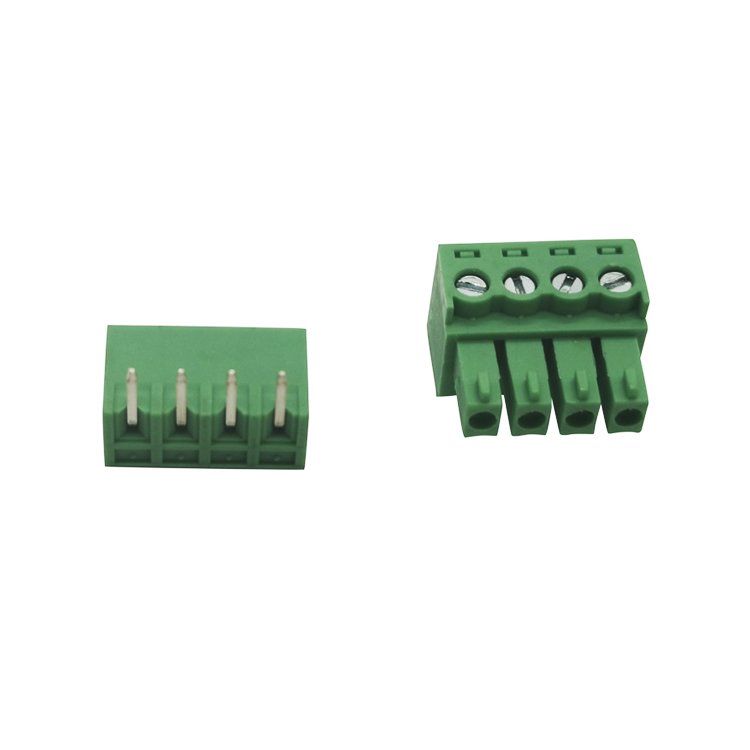
PCB terminal block: soldered onto a printed circuit board, used to connect external wires to the circuit board.

DIN-rail terminal blocks: They can be clipped onto standard DIN rails and are widely used in industrial control cabinets and distribution boards, facilitating modular installation and maintenance.

Barrier terminal block: 12 position terminal block Equipped with plastic partitions, it is commonly used in high-voltage and high-current applications such as power distribution, effectively preventing short circuits between different polarities.

Socket terminal: used for connecting devices that require frequent plugging and unplugging.


IV. Design Considerations and Selection Key Points When designing or selecting terminal blocks, the following factors must be considered:

Current and voltage ratings: These are the most crucial parameters, which must meet or even exceed the maximum demand of the circuit, while leaving a margin.

Wire type and specification: Is it a single-strand wire or a multi-strand wire? What is the wire diameter (AWG or square millimeter)? This determines which clamping mechanism should be selected.

Environmental conditions: Is it exposed to high vibration, high temperature, high humidity, or corrosive environments? This affects the selection of materials (such as housing plastics, plating layers) and connection methods (such as spring connections for better vibration resistance).

Safety certification: Whether it is necessary to comply with safety standards in specific regions, such as UL (United States), UL (Canada), CE (Europe), VDE (Germany), etc.


Number of wires and spacing: How many wires need to be connected? Does the spacing (pitch) between terminals meet the requirements for electrical clearance and creepage distance?


Summary

Although terminal blocks are small components, they are the "joints" of the electrical system. Their working principle is based on reliable mechanical clamping to achieve low-resistance electrical contact. Their design structure revolves around three major elements: conductors, insulating shells, and clamping mechanisms. For different application needs, various clamping technologies such as screws, springs, direct insertion, and insulation displacement have been derived. Proper selection and installation are the foundation for ensuring long-term stability and safe operation of the entire electrical system.


阅读全文......

WAIN Vehicle-Mounted | New Energy High-Voltage PDU Connectors

As the electrification of commercial vehicles and construction machinery accelerates, WAIN delivers a cutting-edge solution: our integrated metal-shell connectors designed specifically for high-voltage power distribution units (PDUs). Engineered for demanding environments, this series combines robust performance with installation efficiency.

Exceptional Load Capacity – Precision-engineered design supporting 1–4 core configurations, with a maximum voltage rating of 2000 V and current up to 450 A.

Comprehensive Protection – Certified IP67/IP6K9K sealing with 360° shielding to safeguard against harsh environmental conditions and electromagnetic interference.

Versatile Installation – Multiple keying options and straight or angled cable outlets ensure optimal compatibility and significantly reduce installation time.

Proven in the field, these connectors are already in bulk supply to multiple Tier 2 high-voltage component manufacturers, delivering stable performance and reliable integration. Today, they are enabling mass-production applications across a wide range of commercial vehicles and construction machinery, helping power the next generation of new energy transportation. 

阅读全文......

High-Efficiency, Globally Compliant Wall-Mount Power Adapter

Stable output and space efficiency are equally important. This wall-mount power adapter delivers a 5W, 12W, 36W, 65W or 100W efficient output with a compact chassis and excellent thermal management, ensuring stable power even with load fluctuations. The global design provides regional plug variants for US/AU/UK/EU, helping enterprises deploy quickly and compliantly in global markets.

12W Wall-type Power Adapter

To boost reliability, it features multiple protections: overvoltage/overcurrent/short-circuit/overtemperature/undervoltage protection, plus built-in self-check and power-off protection. It can self-diagnose and safely shut down in abnormal conditions, reducing the risk of equipment damage. A unified performance specification and certification framework make cross-region deployment more efficient, lowering certification and implementation costs.

This wall power adapter is ideal for demanding setups such as CCTV power supply and alarm systems power supply, delivering stable performance for cameras, sensors, and access control devices. With a focus on compact form factor, ease of installation, and robust protection features, it ensures continuous, trouble-free operation in security and monitoring environments.

阅读全文......

High-Security Mobile Phone Storage and Charging Cabinet with Transparent Door

The secure charging and easy device management are essential. This high-security storage and charging cabinet features a keyed metal lock and a transparent door, allowing at-a-glance verification that a phone is in place without opening the cabinet, improving efficiency and reducing energy waste.


Designed for versatility, the interior offers adjustable partitions and dedicated storage slots to accommodate a wide range of devicesfrom large-screen smartphones to compact mini models. Each device has a stable charging path and fixed position to prevent movement during charging.

1000W 30-Port USB-C Charging Carbinet

Built for durability, the cabinet uses a high-grade metal frame and EVA interior linings to absorb shocks and protect devices. This robust construction is suitable for long-term deployment in classrooms, offices, meeting rooms, testing rooms, and service centers, ensuring secure storage and charging across varied environments.


Whether in educational or professional settings, this cabinet provides secure access control, visual management, and organized charging. It helps reduce loss, streamline workflows, and enhance user experience. If youd like, I can tailor the tone to a specific audience or word limit.

阅读全文......

LVSUN 5V-48V Wall-Type Compact Charger Power, Portability, and Precision

The 5V-48V, 45W–140W wall-type USB-C compact charger excels in power, efficiency, and portability. It supports PD3.1, AVS, GAN3.5, and QC5, enabling fast, safe charging across a wide range of devices. Its compact footprint and robust heat dissipation make it ideal for home, office, and travel, delivering reliable performance where you need it most. Compatible with a variety of latest USB-C devices—from iPhone 17 series and tablets to laptops, robots, VR headsets, and more.

PD3.1 48V Robot USB-C Charger

For businesses and brands, this built-in USB-C charger offers a versatile solution for multi-device charging needs. Its broad protocol support and compact design enable streamlined charging experiences in corporate environments, retail spaces, and hospitality settings. Ready for bulk orders, it can be integrated into customer tech ecosystems or used to highlight your commitment to high-quality, future-proof charging solutions.


LVSUN continue to push the boundaries of portable power, combining thoughtful engineering with practical usability. Whether youre a consumer seeking dependable everyday charging or a business looking to upgrade device ecosystems, LVSUN delivers a 100W or 140W USB-C charger thats both powerful and precisely engineered for real-world use.

阅读全文......

Newcomer Shines at the HK Global Sources Consumer Electronics Show LVSUN at Booth 6Q24

The Hong Kong AsiaWorld-Expo once again hosts the HK global consumer electronics showcase in October 2025. The Global Sources Consumer Electronics Show runs from October 11 to 14, bringing together innovative manufacturers and cutting-edge products from around the world. As a focal point in the industry, the expo offers buyers and media a one-stop stage to explore the latest smart devices, home tech, wearables, and mobile peripherals. Shenzhen LVSUN Electronics Technology Co., Ltd. is a noteworthy exhibitor, unveiling its latest product lines in Hong Kong. The booth number is 6Q24, and the team looks forward to face-to-face discussions on the newest technology trends and application scenarios.

LVSUN has long been known for its cost-effective charging application solutions. At booth 6Q24, the company will present several key new USB-C charger products and upgraded versions of mature series. The exhibiting team will conduct live demonstrations of core features, interoperability, and real-world applications to help buyers quickly assess market fit and mass-production capabilities. During the show, visitors can experience LVSUNs innovative design, high reliability, and globally coordinated supply chain in person.


If you plan to visit the Asia-World Expo, please note the event dates: October 1114, at Hong Kong Asia-World Expo. It is advisable to pre-locate 6Q24 on the venue map and schedule meetings with the LVSUN team to maximize communication efficiency.

阅读全文......

Powering the Future of Charging LVSUN at GESS DUBAI 2025

GESS DUBAI 2025 is about to kick off. We will be at LVSUN booth H22 from November 1113, showcasing our latest products and solutions for the charger industry. This exhibition is not only an ideal stage for new product launches but also a valuable opportunity to gain deep insights into global charging technology trends and industry needs. No matter who you are, we look forward to connecting with you on-site to share our practical experiences in the rapidly expanding charging ecosystem, helping you enhance product performance, reduce total cost of ownership, and accelerate time to market. 

500W 20 Ports USB-C Phone Charging Cabinet

During the show, LVSUN will present key technologies and solutions for the charger industry, focusing on improving efficiency, voltage and current stabilization, thermal management, and safety. You will see:

1. Real-world applications of efficient charging modules and new power management solutions.

2. Customizable solutions for portable USB-C charging devices and fast-charging adapters.

3. A modular, scalable ecosystem with seamless integration with existing systems.


The on-site team in the exhibition area will also share standardized charging industry processes, testing methods, and best practices to help you advance more efficiently through development, certification, and mass production.


阅读全文......

UV-C Charging Cabinet A Safe and Efficient Centralized Solution for Multi-Device Charging and Disinfection

In healthcare, education, retail, warehousing, and office environments, the Safe-IT Multi-Device UV USB-C Charging Cabinet offers a hospital-grade solution for securely charging, organizing, and sanitizing up to 10 USB-C devices, including laptops and Chromebooks. With up to 1000W of power across 10 USB-C ports, it delivers fast, centralized charging to meet the needs of varied devices and users.


A core highlight is the built-in UV-C disinfection capability. The ultraviolet lights disinfect devices between uses without heat or chemicals, reducing cross-contamination risks. The sanitization occurs quickly, allowing devices to be ready for the next user without long downtime, making it especially suitable for hospital corridors, laboratories, classrooms, and office areas with high device usage.

Multi-Device UV USB-C Charging Cabinet

From an application perspective, this UV-C charging cabinet covers a wide range of use cases. Whether in patient areas of hospitals, classrooms on campuses, training centers, front-desk zones in retail stores, or daily device management in warehouses and offices, the 10-port centralized charging design provides stable power and efficient organization. It helps teams quickly locate and access the devices they need, improving workflow and safety.


In short, Safe-ITs multi-device UV-C charging cabinet not only completes the “charging-organizing-disinfection” trifecta but also adheres to hospital-grade safety standards, offering a reliable USB-C charging solution for education, healthcare, and business. Whether for everyday classroom devices or work environments with stringent hygiene requirements, this cabinet can be the central hub for centralized charging and disinfection management.

阅读全文......

What’s a popular 1000W USB-C charging station?

LVSUNs 1000W USB-C charger stands out as a flexible, high-density charging solution with three kinds of port configurations—20-port, 16-port, and 10-porteach delivering up to 100W per port. With intelligent power distribution and automatic device detection, it maximizes total available power while ensuring safe, efficient charging for multiple devices simultaneously.

1000W 16-Port USB-C Charging Dock

Designed for varied environments, this industrial USB charger excels in both professional workstations and dispersed charging setups. The 1000W USB-C charging station’s modular port layouts accommodate shifting needsfrom a centralized office hub to classroom or library stationsdemonstrating that more ports translate to greater charging flexibility across scenarios.


Key benefits include high per-port output, smart allocation, and robust protection mechanisms. The automatic device recognition minimizes configuration hassles, while advanced safety features safeguard devices during rapid charging, long sessions, and high-density deployments.


Targeting education, public spaces, healthcare, government, and training facilities, LVSUNs 1000W multiple USB-C charger enables scalable, centralized charging management. Whether youre optimizing a busy campus, a transit hub, or a government office, you can deploy a model that meets daily charging needs with reliability and ease.


阅读全文......

CIQTEK SEM and EPR Reveal a New Pathway for Nickel-Citrate Removal

With the rapid expansion of new energy, mining, metallurgy, and electroplating industries, nickel pollution in water bodies has become a growing threat to environmental quality and human health. During industrial processes, nickel ions often interact with various chemical additives to form highly stable heavy-metal organic complexes (HMCs). In nickel electroplating, for example, citrate (Cit) is widely used to improve coating uniformity and brightness, but the two carboxyl groups in Cit readily coordinate with Ni²⁺ to form Ni–Citrate (Ni-Cit) complexes (logβ = 6.86). These complexes significantly alter nickel’s charge, steric configuration, mobility, and ecological risks, while their stability makes them challenging to remove with conventional precipitation or adsorption methods.

Currently, "complex dissociation" is regarded as the key step in removing HMCs. However, typical oxidation or chemical treatments suffer from high cost and complicated operation. Therefore, multifunctional materials with both oxidative and adsorptive capabilities offer a promising alternative.

Researchers from Beihang University, led by Prof. Xiaomin Li and Prof. Wenhong Fan, used the CIQTEK scanning electron microscope (SEM) and electron paramagnetic resonance (EPR) spectrometer to conduct an in-depth investigation. They developed a new strategy using KOH-modified Arundo donax L. biochar to efficiently remove Ni-Cit from water. The modified biochar not only showed high removal efficiency but also enabled nickel recovery on the biochar surface. The study, titled “Removal of Nickel-Citrate by KOH-Modified Arundo donax L. Biochar: Critical Role of Persistent Free Radicals”, was recently published in Water Research.


CIQTEK SEM & EPR Reveal a New Pathway for Nickel-Citrate Removal


Material Characterization

Biochar was produced from Arundo donax leaves and impregnated with KOH at different mass ratios. SEM imaging (Fig. 1) revealed:

  • The original biochar (BC) exhibited a disordered rod-like morphology.

  • At a 1:1 KOH-to-biomass ratio (1KBC), an ordered honeycomb-like porous structure was formed.

  • At ratios of 0.5:1 or 1.5:1, pores were underdeveloped or collapsed.

  • BET analysis confirmed the highest surface area for 1KBC (574.2 m²/g), far exceeding other samples.

SEM and BET characterization provided clear evidence that KOH modification dramatically enhances porosity and surface area—key factors for adsorption and redox reactivity.


Figure 1. Preparation and characterization of KOH-modified biochar.Figure 1. Preparation and characterization of KOH-modified biochar.


Performance in Ni-Cit Removal

Figure 2Figure 2.
(a) Removal efficiency of total Ni by different biochars;
(b) TOC variation during Ni–Cit treatment;
(c) Effect of Ni–Cit concentration on the removal efficiency of 1KBC;
(d) Effect of pH on the removal performance of 1KBC;
(e) Influence of coexisting ions on Ni–Cit removal by 1KBC;
(f) Continuous-flow removal performance of Ni–Cit by 1KBC.
(Ni–Cit = 50 mg/L, biochar dosage = 1 g/L)


Batch experiments demonstrated strong removal performance:

  • At 50 mg/L Ni-Cit and 1 g/L material dosage, 1KBC removed 99.2% of total nickel within 4 hours, compared to 32.6% for BC.

  • TOC removal reached 31% for 1KBC, confirming that Ni-Cit undergoes complex dissociation followed by Ni²⁺ adsorption.

  • Even at 100 mg/L Ni-Cit, the removal efficiency remained above 93%.

  • 1KBC maintained excellent performance across a wide pH range (pH > 5).

  • Phosphate significantly inhibited removal due to solution acidification and competitive complexation with Ni²⁺.

  • In continuous-flow tests, a 1KBC-packed fixed-bed reactor operated for 6900 minutes, treating 460 bed volumes, while maintaining effluent Ni < 0.5 mg/L.


Post-Treatment Material Characterization

Figure 3. Morphology and EDS comparison of the material before (a) and after (b) Ni–Cit removal; (c) XPS spectra of surface Ni 2p after the removal process.Figure 3. Morphology and EDS comparison of the material before (a) and after (b) Ni–Cit removal;
(c) XPS spectra of surface Ni 2p after the removal process.


Recovered biochar (R1KBC) showed:

  • No significant morphological changes.

  • Uniform Ni distribution confirmed by EDS mapping.

  • XPS spectra displayed both Ni²⁺ and Ni³⁺ peaks, direct evidence of oxidative complex dissociation.


EPR-Based Identification of ROS

Figure 4. EPR measurementsFigure 4. EPR measurements:
(a) TEMP-trapped ¹O₂ generated by biochar;
(b, c) BMPO-trapped •OH and O₂•⁻ generated by biochar;
(d) Hyperfine splitting fitting analysis of the 1KBC signal in panel (c).


Using the CIQTEK EPR spectrometer, the team identified reactive oxygen species (ROS) generated on the biochar surface:

  • ¹O₂: strong TEMP–¹O₂ triple signal (1:1:1, AN = 17.32 G) observed only in 1KBC.

  • OH: BMPO–•OH quartet detected in both BC and 1KBC, but much stronger in 1KBC.

  • O₂•⁻: identified through BMPO–•OOH signals in methanol-containing systems.

1KBC produced significantly higher levels of ¹O₂, •OH, and O₂•⁻ than BC, confirming the enhanced redox activity induced by KOH modification.


Free Radical Quenching Experiments

Figure 5.Figure 5.
(a) Effect of ¹O₂; (b) •OH; and (c) O₂•⁻ on Ni–Cit removal efficiency;
(d) Inhibition rates of different ROS on Ni–Cit removal.


By introducing quenchers, FFA (¹O₂), p-BQ (O₂•⁻), and methanol (•OH)—the team quantified the contributions of different ROS:

O₂•⁻ inhibition (55%) > ¹O₂ inhibition (17%) > •OH inhibition (12%)

This ranking indicates that O₂•⁻ plays the dominant role in Ni-Cit degradation and complex dissociation.


Role of PFRs and ROS Generation Mechanism

Figure 6.Figure 6.
(a) Detection of surface PFRs in biochar;
(b) Effect of PFR quenching on Ni–Cit removal by biochar;
(c) ¹O₂, (d) •OH, and (e) O₂•⁻ signals in 1KBC and TEA-treated samples;
(f) Schematic of ROS transformation pathways.


Persistent free radicals (PFRs) in biochar are closely linked to ROS formation. EPR results showed:

  • 1KBC exhibited much higher PFR concentration than BC.

  • PFRs had a g-value of 2.0034, characteristic of carbon-centered radicals adjacent to oxygen (e.g., phenoxy radicals).

  • Triethylamine (TEA) effectively quenched PFRs, reducing Ni-Cit removal efficiency to ~50% and drastically lowering ROS levels.

The mechanism (Fig. 6f):

  • Dissolved oxygen adsorbs onto the biochar surface.

  • PFRs transfer electrons to O₂, forming O₂•⁻.

  • O₂•⁻ initiates complex dissociation; subsequent ROS degrade the citrate ligand.


DFT Calculations and Mechanistic Insights

Figure 7.Figure 7.
(a) Optimized structure of Ni–Cit;
(b) Electrostatic potential (ESP) map;
(c) HOMO; (d) LUMO;
Fukui function isosurfaces of Ni–Cit:
(e) f⁻, (f) f⁺, (g) f⁰, (h) condensed dual descriptor (CDD), and (i) Fukui indices;
(j) Proposed degradation pathways of Ni–Cit.


Density functional theory (DFT) calculations clarified the molecular reaction pathways:

  • Frontier molecular orbital and Fukui function analysis revealed that the Ni center is prone to nucleophilic attack, while the citrate ligand undergoes electrophilic reactions.

  • O₂•⁻, with its strong nucleophilicity, targets the Ni center, breaking the Ni–Cit coordination.

  • Citrate ligands degrade through two ROS-mediated pathways.

These theoretical results align with EPR findings and support the proposed mechanism.


KOH-modified biochar (1KBC) achieved 99.2% Ni removal from 50 mg/L Ni-Cit solution within 4 hours. The modification significantly enhanced porosity, surface functionality, and, critically, the concentration of persistent free radicals. These PFRs activated dissolved oxygen to generate ROS, among which O₂•⁻ acted as the primary species driving Ni-Cit dissociation. Subsequent ROS degraded the citrate ligand, while released Ni²⁺ was adsorbed onto the biochar.

This study demonstrates a sustainable "one-step dissociation and recovery" approach for treating metal–organic complexes, offering strong potential for future real-world applications.

阅读全文......