Latest Electronics News & Trends | Expert Insights & Innovations

High Brightness TFT Display Modules Reviewed for 2025


You want your color TFT display screen modules to work well in 2025. The best models give bright screens, sharp pictures, and simple setup. Being able to see the screen in sunlight is very important for outdoor use.

  • Sunlight-readable displays have high brightness, usually over 1000 nits, so you can see them in bright sunlight.

  • Anti-reflective coatings and tough designs help the screen stay clear and strong.

  • Special features make sure you see sharp images even outside in tough weather.

You should pick a display that fits your space and what you need.


Top TFT Display Modules 2025

Leading Models

You want a good tft display module for your project. In 2025, two models are very popular. The DISPLAY VISIONS TFT040-77AINN is very bright and works in factories. This model is strong and keeps pictures clear in sunlight. The DISPLAY VISIONS TFT024-23ATNN is good for phones and outdoor use. You can see the screen in sunlight and it works well when you move.

Many TFT display manufacturers in China make these TFT LCD display modules. You see them in kiosks, cars, and smart gadgets. These modules show clear pictures and let you use touch controls easily. You find them where you need tough screens and easy setup.

Tip: When picking a tft display module, check if it is bright enough and strong. You want a module that fits your needs and works where you use it.


Key Features

You should know what makes TFT touch screen shield display module special in 2025. The table below lists the main things to look for when you compare models from tft display manufacturers in china.

Feature

Description

Energy-efficient designs

Uses memory-type liquid crystal technology to save power.

Enhanced color performance

Uses perovskite nanocrystal films for brighter and more vibrant colors.

Advanced industrial features

Has built-in processing and communication for smart device integration.

Ruggedized displays

Handles extreme conditions for outdoor and harsh environments.

Touch screen functionalities

Gives you easy and intuitive touch controls.

Improved backlighting systems

Responds quickly and shows clear images.


You see these things in the newest tft lcd display modules. Many tft display manufacturers in china focus on saving energy and making strong products. You get modules that last longer and use less power.

The tft display module market is getting bigger. More people want tft lcd display modules for electronics, cars, and health devices. Here are some trends for 2025:

  • The market will grow from $28.6 billion in 2025 to $45 billion by 2035.

  • The market grows about 4.6% each year.

  • More smartphones use tft lcd display modules, with 8 billion subscriptions.

  • Car displays now cost over 15% of making a car.

  • Health devices use more tft display modules, with remote monitoring growing by at least 25%.

You have many choices from high resolution TFT display module manufacturers in china. You can get modules for any need, like bright outdoor screens or power-saving indoor displays.


Sunlight Readability


Brightness Ratings

You need a display that looks clear outside. Sunlight-readable screens help you see in bright places. Most regular screens are only 200 to 300 nits bright. That is not enough for outdoor use. For outside, you need TFT display modules with much higher brightness.


The table below shows the lowest brightness you need for different outdoor places:

Condition

Minimum Brightness (nits)

Semi-outdoor

1000–1500

Direct sunlight

2000–5000


Displays with 1000 nits or more let you read in sunlight. If you use your device in direct sunlight, you need 2500 to 5000 nits. Some top models reach these numbers and show sharp images even when the sun is strong.

Tip: Always check the brightness before you pick a display for outside. More brightness means you can see better.


Outdoor Performance

You want your display to work well outside, even in direct sunlight. Anti-glare and anti-reflective coatings help you see the screen. These coatings cut down on reflections and glare. They make the display easier to read when it is bright outside. Optical bonding also helps you see better and makes the display last longer.

High-brightness TFT LCDs give 800 to 1000 nits for sunlight readability. The best models can go up to 2500 nits, so you get clear images in direct sunlight. Transflective TFT LCDs use light around you to make the screen brighter and colors better. These features help you use your device outside, in kiosks, or in handheld gadgets.

If you use your display in dim places, these features still help. You get better contrast and less glare, so the screen is easy to read. You can trust these displays for outdoor kiosks, factory controls, and smart devices.

Note: Anti-glare and anti-reflective coatings are important for outdoor screens. They help you see in sunlight and keep the screen safe from scratches.


Power Efficiency

Low Power Features

You want your device to last longer without charging. Modern TFT display modules use smart ways to save energy. These features help your device work better and stay cool. The table below shows the main types of energy-saving display technologies:

Technology Type

Description

Energy Efficiency Advantage

Reflective LCDs

Use sunlight for contrast. Good for simple devices like calculators.

Use less power by using sunlight.

Transmissive Displays

Have backlights built in. Work well in places that are not too bright.

Use more power when it is very bright.

Transflective Displays

Mix reflective and transmissive features for all lighting.

Stay efficient in many lighting conditions.

MIP Technology

Used in wearables. Can be reflective or transflective.

Very low energy use for long times.

Passive Matrix OLEDs

Save energy in dark mode with little image content.

Save a lot of power when showing less.

E-paper Technology

Holds images without power until you change the screen.

Uses almost no power for still images.


You can find these features in DISPLAY VISIONS low-power models. These displays use less energy and handle heat well. You get a screen that lasts longer and stays safe in tough places.

Tip: Pick modules with good thermal management. They keep your device cool and help it last longer.


Battery Impact

You want your portable device to last a long time. Low-power TFT displays help you do this. They use less energy, so your device works for hours or days without charging.

  • Longer battery life means you use your device more between charges.

  • Energy-saving displays help your device stay cool and work better.

  • Using less power means you charge less and your battery stays healthy.

Choosing an energy-saving TFT display is smart. The display uses a lot of power in your device. If you pick a low-power module, your battery lasts longer and you get a better experience. Your device also works well for tough jobs, like outdoor kiosks or medical tools.


Display Quality

Resolution

You want your display to show clear pictures and text. In 2025, high-brightness TFT display modules come in different resolutions. The right resolution helps you see small details. This makes your experience better. Here are some common choices:

Resolution

Description

320x240

Standard resolution for basic applications.

480x320

Higher resolution preferred for detailed graphics.


A higher resolution means more pixels on the screen. You get smoother lines and better images. For simple things, 320x240 is enough. If you need to see maps or photos, 480x320 is better. Good resolution also helps you see dark and light parts clearly.


Color Accuracy

You want the colors on your screen to look bright and real. Color accuracy is important for photos, videos, and charts. The Color Rendering Index (CRI) shows how true the colors look.

  • CRI helps you check if colors look real on displays.

  • A CRI over 90 means colors look natural and true.

  • Most everyday displays have a CRI between 80 and 89.

  • Professional screens need a CRI of 90 or more for the best color accuracy.

High CRI values help you see real colors. This makes it easier to notice differences and see contrast between shades.


Touch Responsiveness

You want your touch screen to react fast when you tap or swipe. Fast response times make your device easy to use. The table below shows how top TFT display modules work:

Product

Resolution

Size (inches)

Response Time (ms)

Touch Technology

Product A

1920x1080

10.1

8

Capacitive

Product B

1280x800

7.0

10

Resistive


Most top modules respond in 8 to 10 milliseconds. You get quick feedback, which is good for games or drawing. Capacitive touch screens usually react faster than resistive ones. Fast touch response helps you work quickly and makes your device more fun.

Tip: Always look at the response time if you want smooth touch controls.


TFT Display Module Installation

Mounting Options

You want your TFT display module to stay secure and look good in your device. You can choose from several mounting options. Each method works best for different needs. The table below shows the most common ways to mount your display:

Mounting Technique

Description

Bezels

Give your display a strong frame. Bezels protect the edges and hide screws or clips. You see bezels in many finished products.

Brackets

Hold the display steady. Brackets work well in tough places like factories. They keep the screen from bending or moving.

Clips

Let you attach the display quickly. Clips are great for testing or building a prototype. They do not last as long as other methods.

Adhesive Tape

Stick the display in place. This method saves space in small devices. You must apply the tape carefully to avoid stress on the screen.


You can pick the mounting option that fits your project. Bezels and brackets give you the most support. Clips and tape help when you need a fast or compact solution.

Tip: Always check the mounting method before you buy a display. The right choice makes installation easier and keeps your screen safe.


Integration

You want your TFT display module to work with your system. Most modern modules offer plug-and-play features. You can connect them to many types of hardware without extra steps. This makes setup fast and simple.

TFT display modules fit into many industries:

  • In cars, you see them in infotainment systems and control panels. They connect with systems like CAN bus and work in both electric and gas vehicles.

  • In factories, you use them for machine controls and monitors. These displays handle bright lights and tough conditions.

  • In hospitals, you find them in medical equipment. They show clear images and respond quickly to touch.

  • In consumer electronics, you enjoy sharp visuals and fast touch for phones and tablets.

You get sharp images and fast response times. Many modules come in small sizes, so you can use them in tight spaces. You can trust these displays to work with your existing systems. They help you build better products for any industry.

Note: Always check if the display matches your system’s needs. Good compatibility saves you time and trouble during installation.


Cost and Value

Price Range

You want to know how much high-brightness TFT display modules cost in 2025. Prices can change based on how bright the screen is and what features you need. The table below shows the typical price range for these displays:

Brightness Type

Price Range

High Brightness

$30 – $150

Sunlight Readable

$80 – $300


You see that high-brightness modules start at $30. Sunlight-readable models can cost up to $300. If you need a display for outdoor use, you may pay more for extra brightness and special coatings. You should compare prices and features before you buy. Sometimes, paying a little more gives you a display that lasts longer and works better in tough places.

Tip: Always match the display’s features to your needs. You do not want to pay for features you will not use.


Reliability

You want your display to work well every day. Reliable TFT display modules use strong materials and pass many tests. These displays handle heat, cold, and shaking. You can trust them in cars, factories, and outdoor kiosks. Good modules keep working even if you use them for many hours each day.

You should look for displays with a strong build and good reviews. Reliable modules save you money because you do not need to replace them often. You also avoid problems with your devices. If you use your display in a busy place, pick a model known for lasting a long time.


Warranty

You want to feel safe when you buy a display. Leading manufacturers offer clear warranty terms. Most standard warranties last 12 months from the shipping date. Some companies let you buy longer coverage, up to 36 months. The table below explains what you get with a typical warranty:

Warranty Aspect

Details

Standard Warranty Period

12 months from shipping date; extended options up to 36 months available

Coverage

Defects in materials and workmanship under normal use

Exclusions

Damage from improper use, over-voltage, mechanical stress, or natural aging

Claims Process

Contact your sales manager with purchase details and a description of the problem

Resolution

Repair, replacement, or credit offset, depending on the situation


You should always read the warranty details before you buy. A good warranty protects you if something goes wrong. If you install and use the display as the maker says, you get help if there is a problem. This gives you peace of mind and helps you trust your purchase.


Recommendations by Use Case

Outdoor Kiosks

You need a display that works in sun, rain, and dust. Outdoor kiosks do best with TFT modules that are bright and tough. Pick screens with at least 800 nits brightness. Anti-glare and anti-reflective coatings help you see in sunlight. Waterproof and dustproof designs keep the display safe in bad weather. Some models change brightness by themselves when the light changes.

Feature

Benefit

Brightness (800+ nits)

Easy to see in sunlight

Anti-glare Coating

Makes the screen easier to see

IP-rated Protection

Keeps out water and dust

Rugged Build

Stays strong outside

Auto Brightness

Changes brightness when the light changes

Tip: Pick a display that works in hot and cold weather. This helps your kiosk work in summer and winter.


Industrial

You need a display that can handle hard work. Industrial TFT modules work in factories, warehouses, and vehicles. These displays can take shaking and very hot or cold temperatures. Many models work from -30°C to +85°C. They last for many hours and support LVDS, RGB, and SPI.

  • Works from -30°C to +85°C

  • Brightness from 500 to 1500 nits

  • Lasts 30,000 to 70,000 hours

  • Handles shock and vibration

Industrial displays help machines work and keep people safe. You can trust them in busy and rough places.


Consumer Devices

You want a display that looks good and saves power. Consumer devices like phones and smart home panels need high resolution and bright colors. Touchscreens should react fast. Low power use helps your battery last longer. Many new models use better technology for bright colors and less energy.

  • High resolution for sharp images

  • Fast touch response

  • Low power for longer battery life

  • Small size for thin devices

The TFT display market is getting bigger. Over 200 million units ship every year. Experts think the market will grow 8% to 12% each year. More people want smart devices, so you have more choices now.

Note: Always pick a display that fits your device. Think about size, brightness, and how you will use it.


You can find the best TFT display modules for 2025 by looking at reviews, prices, and if they follow rules. The table below shows important things to compare:

Supplier Name

Review Score

Price per Unit

Compliance

Shenzhen Toppop Electronic Co.,ltd

5.0

$0.70

RoHS, CE


When you pick a module, check if you can see it in sunlight. Make sure it saves power and does not cost too much. A transflective tft panel is good for outdoor use. Custom tft display solutions help your device fit where you use it. Always look at datasheets for temperature, voltage, and how it connects. Read what other users say to avoid mistakes.

阅读全文......

OLED Displays in Consumer Tech The Good and the Bad

If you want a screen with bright colors and deep blacks, you might pick an oled display. OLED displays are special because they use less energy, have better contrast, and are thin and light. You can see the screen well from many angles, so it looks good almost anywhere. But oled displays also have some problems. They cost more money, and they do not last as long as LCDs. You might see burn-in or damage if you use your oled in hot or wet places. Here is a quick look at the good and bad sides:

Advantages

Disadvantages

Uses less energy

Does not last as long

Thin and light

Costs more money

Better contrast and wide angles

Can get hurt by heat or wet places


Key Takeaways

  • OLED displays show great picture quality. They have deep blacks and bright colors. This makes them good for movies and games. These screens use less energy with dark images. This helps devices last longer on battery. OLED technology lets screens be thin and bendable. This helps make cool products like foldable phones and curved TVs. Watch out for burn-in problems. Do not leave the same image on the screen for too long. This keeps the display looking good. Think about your budget. OLED displays usually cost more than LCDs. They may not last as long either.


What Is OLED Display Technology

How OLED Displays Work

You might ask why an oled screen is not like other screens. OLED means "organic light-emitting diode." This means the screen uses special organic stuff that glows when electricity goes through it. Each pixel in an oled makes its own light. So, you do not need a backlight like LCD screens do.

Here’s an easy way to see how an oled works:

Component

Function

Substrate

The bottom layer, made of plastic, glass, or metal foil.

Anode

Sends positive charges into the organic layers.

Hole Injection Layer

Helps move positive charges deeper into the device.

Hole Transport Layer

Carries those charges to the part that makes light.

Emissive Layer

This is where the light is made.

Blocking Layer

Keeps the light-making process working well by holding electrons in place.

Electron Transport Layer

Moves negative charges to the light-making layer.

Cathode

Sends negative charges into the organic layers.

When you turn on your oled, electricity moves through these layers. Positive charges from the anode and negative charges from the cathode meet in the emissive layer. This meeting makes energy, and that energy turns into light. Scientists call this "electroluminescence." You see bright colors and deep blacks because each pixel makes its own light.


Unique Features of OLED

OLED displays are special for a few reasons. You get great picture quality with real blacks and bright colors. The screen can be very thin and even bendy. This means you might see oled in curved TVs or foldable phones. Here’s a quick comparison:

Feature

OLED Displays

LED Displays

Picture Quality

Better, with deep blacks

Good, but not as deep

Flexibility

Can bend or curve

Stays flat and stiff

Response Time

Very fast

Slower

Viewing Angles

Looks good from almost any angle

Can lose brightness at angles

Heat Emission

Stays cool

Gets warmer

Durability

Can wear out faster

Lasts longer

Cost

Usually more expensive

More affordable

You will see oled screens use less energy and stay cooler. They do not need a backlight. You also get smooth motion and clear pictures, even during fast scenes. These things make oled a top pick for people who want the best screen.


OLED Display Advantages

Picture Quality and Contrast

When you look at an OLED display, the picture looks great. The colors are bright, and the blacks look very dark. Each pixel can turn on or off by itself. This gives you true blacks and strong contrast. You can see details in dark scenes. Bright parts look even brighter.

  • OLED displays show perfect blacks because pixels can turn off.

  • You get very high contrast, so the picture stands out.

  • The colors look real and bright. You see many shades and tones.

  • OLED displays show better colors than most other screens.

  • The color accuracy is great, so the picture looks real.

A study tested OLED and LCD screens with black images. OLED screens gave off almost no light. LCD screens still glowed a little. This shows OLED displays have deeper blacks and better contrast. You get a lifelike picture, which is good for movies and games.


Energy Efficiency

You might wonder how OLED displays use battery power. One big benefit is they use less energy with dark images. OLED displays can turn off pixels to save power. If you use dark themes or watch movies with shadows, your battery lasts longer.

But if you use bright images or white backgrounds, OLED displays can use more power than LCDs. For example, a laptop with an OLED display might last six to seven hours with lots of white on the screen. An LCD could last ten to eleven hours. Still, most people like OLED displays because they save energy, especially with dark mode.


Thinness and Flexibility

OLED displays are not just good for pictures. They are also thin and bendy. You can find OLED screens in foldable phones, rollable TVs, and curved wearables. OLED displays do not need a backlight. This makes them lighter and easy to bend.

Feature

Description

Flexibility

OLED displays can bend, fold, or roll without breaking.

Design Freedom

No backlight means more creative shapes and thinner devices.

Curvature

OLED panels can curve tightly, even as small as 1mm radius.

You see OLED displays in new gadgets that can change shape or fold. This flexible design gives you more choices. Devices are easier to carry. You get a screen that fits your life, like a foldable phone or a curved smartwatch.


Viewing Angles

Have you ever looked at a screen from the side and seen colors fade? With OLED displays, you do not have that problem. OLED displays have wide viewing angles. You can sit almost anywhere and still see bright colors and a sharp picture.

Display Technology

Viewing Angle Characteristics

OLED

Wide viewing angles with steady brightness and color accuracy

LED and QLED

Good, but colors and brightness can change at sharp angles

OLED displays keep their picture quality even at wide angles, up to 170° × 170°. The colors stay the same, and the contrast stays strong. You get a great experience whether you sit in front or on the side. This makes OLED displays good for sharing videos or playing games with friends.

Tip: If you want the best picture quality, great color accuracy, and deep blacks, OLED displays are a great choice. You also get thin, bendy screens and wide viewing angles.


OLED Display Disadvantages

When you look at the bright side of an oled display, you see amazing colors and deep contrast. But you also need to think about the disadvantages. Every technology has its weak spots. Let’s talk about the main problems you might face with oled displays.


Burn-In Issues with OLED

Burn-in is one of the biggest disadvantages you’ll hear about with oled displays. Burn-in happens when you see a faded image or shadow on your screen that won’t go away. This problem shows up if you keep static images on your display for a long time. For example, if you leave a logo or a game score on your screen, those pixels work harder and wear out faster. You might notice burn-in after using your oled display for a couple of years.

  • About 5% of users see burn-in after two years of normal use.

  • If you use your oled display for digital signs or keep static images on the screen, burn-in can show up in just a few months.

You can lower your risk of burn-in by following some simple steps:

  1. Change what’s on your screen often. Don’t leave static images for hours.

  2. Turn down the brightness. High brightness makes burn-in worse.

  3. Use dark mode or similar settings. This helps your pixels rest.

  4. Try a white screensaver to refresh your display.

  5. If you have an LG OLED TV, use the Pixel Refresher tool.

Tip: If you want your oled display to last longer, avoid leaving static images on the screen and keep your brightness low.


Lifespan and Durability

You might wonder how long your oled display will last. The lifespan is another disadvantage you should know about. Oled displays usually last between 8 and 13 years, depending on how you use them. That’s less than some LCD displays, but more than LED displays. Here’s a quick look:

Display Type

Average Lifespan (Hours)

Average Lifespan (Years)

OLED

30,000 - 100,000

8 - 13

LCD

60,000 - 100,000

7 - 11

LED

40,000 - 60,000

4.5 - 7

Oled displays can also get damaged by heat or humidity. High temperature makes your display lose brightness and can even cause colors to change. Humidity lets water get inside, which can break your display and lower its performance.

Environmental Factor

Effect on OLED Displays

High Temperature

Makes your display fade, lose brightness, and even fail.

High Humidity

Lets water in, causes defects, and lowers performance.

If you use your oled display in a hot or wet place, you might see problems sooner. So, keep your devices cool and dry.


Cost Considerations

Cost is a big disadvantage for many people thinking about oled displays. You pay more for the great contrast and colors. The price difference is easy to see when you compare oled displays to LCD or LED displays.

Device Type

LCD Panel Cost

OLED Panel Cost

OLED Premium

55" TV Panel

~$230

~$582

2.5x

5.7" Smartphone

~$15.39

~$18.62

~20%

5.8" Flexible OLED

N/A

~$22.61

N/A

Oled displays cost more because they are harder to make. The process uses special organic materials and needs careful handling. You also pay more because oled displays don’t last as long, so you might need to replace them sooner. The price gap is getting smaller, but oled displays still cost more than LCD screens.

  • Oled displays are more expensive to produce than LCD screens.

  • The process is more complex and uses pricier materials.

  • Shorter lifespan means you might pay more over time.

If you want the best picture, you pay a higher cost. Think about your budget before you choose an oled display.


Brightness Limitations

Brightness is another disadvantage you should know about. Oled displays look great in most rooms, but they can struggle in very bright places. High-end LED monitors can get much brighter because they use strong backlights. If you use your device outside or in a sunny room, you might notice your oled display looks dim.

  • Oled displays have lower peak brightness than high-end LED monitors.

  • LED monitors work better in bright environments.

  • Brightness matters if you watch TV or play games in a sunny spot.

You get amazing contrast and colors with oled displays, but you might miss out on strong brightness. If you need a display for outdoor use or a room with lots of sunlight, think about this disadvantage before you buy.

Note: Oled displays give you deep contrast and vibrant colors, but you pay more and get less brightness in some situations. Always check your needs before you choose.


OLED vs. Other Display Technologies

OLED vs. LCD

You may wonder how oled displays compare to LCD screens. There are big differences in how they look and work. Oled displays can make perfect blacks. Each pixel turns off by itself. LCD screens use a backlight, so they cannot show true black. Colors on oled displays look brighter and more real. You also get better viewing angles. The picture stays clear even from the side.

Here’s a quick table to help you compare:

Feature

OLED Displays

LCD Displays

Black Levels

Exceptional, perfect blacks

Limited, cannot achieve true blacks

Contrast Ratios

Nearly infinite contrast ratio

Lower contrast ratios

Viewing Angles

Consistent and accurate colors

Color shifting and decreased contrast

Color Accuracy

Wide color gamut, vibrant images

Decent, but less accurate

Burn-in

Prone to burn-in over time

More resistant to burn-in

Lifespan

Generally shorter lifespan

Typically longer lifespan

If you want the best picture for movies or games, oled displays are better. LCDs last longer and cost less. They are good for everyday use.


OLED vs. LED

You see LED displays in many places, like TVs and monitors. LED screens use a backlight. This means every pixel gets the same light. Oled displays light up each pixel on its own. You get deeper blacks and better contrast. When you look at energy use, LED displays usually use less power. This is true in bright scenes.

Here’s what you should know:

  • LED TVs use a backlight, so power use stays steady.

  • Oled displays change power use based on the picture. Dark scenes use less power. Bright scenes use more power.

  • For a 65-inch TV, LED uses about 88 watts per hour. Oled uses around 116 watts per hour.

If you want to save energy, LED displays might be better. Oled displays give you better colors and contrast. But they can use more electricity.


OLED vs. Other Technologies

New display types like MicroLED are starting to show up. MicroLED displays are very bright and last a long time. Oled displays are still the best for thin and bendy screens. MicroLED displays do not have burn-in problems. They last longer. Both give you great color and contrast. MicroLED displays cost more right now.

Here’s a table to show the main differences:

Feature

OLED Displays

MicroLED Displays

Contrast Ratio

Excellent, true blacks

High, true blacks

Color Reproduction

Vibrant, wide gamut

Excellent, wide gamut

Brightness

Good

Higher

Lifespan

Shorter

Longer

Burn-in

Possible

Rare

Flexibility

Thin, bendy designs

Less flexible

Cost

Lower

Higher

You might pick oled displays for foldable phones or thin TVs. MicroLED displays work better outside and last longer. But you pay more for them.

Tip: If you want the best picture and a cool design, oled displays are a great choice. For saving energy and longer life, LED or MicroLED displays might be better for you.


OLED Buying Tips for Consumers

Best Uses for OLED Displays

You may wonder where OLED displays work best. These screens are great for some devices and situations. Look at this table to see where OLED displays give you the most benefits:

Use Case

Advantages

Televisions

Amazing picture, deep blacks, bright colors, wide angles.

Mobile Devices

Sharp images, great colors, uses less power.

Wearables

Saves power, thin, bends easily, good for curved screens.

Virtual Reality

Fast refresh, quick response, deep blacks for real feel.

Automotive

Bright screen, wide angles, saves energy, custom shapes.

Lighting

Soft light, colors and brightness can be changed.

If you enjoy watching movies or playing games, OLED screens are a smart choice. You also find them in smartwatches and car dashboards.


Who Should Buy OLED

Not everyone needs an OLED screen. Think about what is most important to you. Here are some things to think about:

  • Picture quality: OLED screens show strong contrast and bright colors.

  • Design flexibility: Devices with OLED screens are thin and light.

  • Energy efficiency: OLEDs save power with dark images, but use more with bright ones.

  • Burn-in issues: If you keep one image on the screen, you may see marks later.

  • Cost: OLED screens usually cost more than other types.

  • Compare with other screens: Mini-LED or QLED are other choices.

If you want the best picture and a slim device, OLED screens are a good pick. If you care more about price or need a screen for long, heavy use, you may want something else.


Preventing Burn-In

You can keep your OLED screen looking good by following some easy tips:

  1. Change what is on your screen often. Do not leave one image for hours.

  2. Lower the brightness. High brightness wears out pixels faster.

  3. Use dark mode when you can. This helps your screen last longer.

  4. Turn on screen savers or use tools like Pixel Refresher.

Tip: Take care of your OLED screen, and you will enjoy great pictures for years.


You have seen both the good and the bad of oled displays. These screens give you deep blacks, bright colors, and fast response times. Many people love the look and feel of an oled display. Here are some things you should think about:

  • Superior image quality with deep blacks and vibrant colors

  • Energy efficiency for longer battery life

  • Design flexibility for cool, thin devices

  • Fast response for smooth motion

Recent surveys show that most users feel happy with their oled displays:

Metric

Value

Satisfaction Rate

90%

New Models with Smart Features

80%

If you want the best picture and a modern design, oled display modules are a great pick. Think about how you use your devices and what matters most to you before you buy.

阅读全文......

CNLC Factory Direct Custom Drive-Thru Terminal

With 18 years of outdoor display manufacturing experience, CNLC leverages strong factory customization capabilities to deliver tailored Drive-Thru Digital Menu Board solutions.This gas station project deployed 30 units, combining innovative structure and integrated functionality to offer a solution that is visually appealing, practical, and highly efficient, reflecting CNLC’s expertise and flexibility as a professional factory.


Customization Highlights: Efficient and Stylish Drive-Thru Solution


This custom Drive-Thru board features dual 55-inch high-brightness LCD screens with 3500 nits, ensuring clear visibility even under direct sunlight.A 21.5-inch high-brightness operation screen, integrated with an intercom system, radar detector, speaker, and camera, delivers a complete Drive-Thru interaction experience, enhancing order and communication efficiency.The overall height is 4 meters (including the canopy), crafted from high-strength aluminum alloy for durability and elegance. The stylish canopy improves visual recognition and provides additional protection against rain and wind.


Product Features


  • Dual High-Brightness Screens: Two 55-inch LCD panels with 3500 nits, ensuring excellent visibility in outdoor sunlight.

  • Operation & Interaction System: 21.5-inch operation screen with integrated intercom, radar, camera, and audio, enabling smooth Drive-Thru interactions.

  • Durable Structure: Aluminum alloy construction, corrosion-resistant and stylish.

  • High Protection Level: IP56-rated for water and dust resistance, suitable for all outdoor environments.

  • Intelligent Temperature Control: Built-in temperature monitoring and control system ensures stable operation even under extreme weather conditions.

  • Fully Customizable Design: Screen size, structure, and appearance can all be tailored according to client requirements.


Core Advantages


  • Professional Intercom Integration: Supports CNLC’s own system and third-party HME solutions for efficient Drive-Thru communication.

  • High-Brightness Dual Screens + Operation Screen: Optimized for visual presentation and interactive experience across various scenarios.

  • Flexible Customization & Modular Design: Suitable for multiple industries, from gas stations and quick-service restaurants to retail and parking guidance systems.


Multi-Industry Application Value


This Drive-Thru Digital Menu Board is not limited to gas stations:

  • Quick Service Restaurant (QSR) Drive-Thru

  • Car Service & Fuel Station Kiosks

  • Retail & Parking Guidance Displays

  • Industrial & Corporate Campus Information Screens

CNLC’s custom design ensures brand-exclusive aesthetics and high-performance functionality in every industry.


Project Scale & Customer Feedback


This custom project deployed 30 units, and the client reported excellent feedback: the terminals are visually appealing, easy to operate, and highly functional. This successful large-scale deployment highlights CNLC’s strong factory customization and delivery capabilities.


Choose CNLC for Your Custom Drive-Thru Solution


Looking to create a unique Drive-Thru or gas station digital display solution?
CNLC, with 18 years of manufacturing experience and strong factory customization capabilities, can tailor every detail—screen size, design, functional configuration, and interactive systems—to your project requirements.
Whether for single-unit customization or large-scale deployment, we ensure fast response, high-quality delivery, and optimal project performance.

阅读全文......

CNLC to Showcase Innovative Outdoor Digital Signage Solutions at ISE 2026

Barcelona, Spain — February 3–6, 2026 | Booth 4C400, Hall 4


CNLC, a professional OEM/ODM manufacturer and intelligent display solutions provider with over 18 years of industry experience, is set to exhibit at Integrated Systems Europe (ISE) 2026 in Barcelona. The company will showcase a comprehensive range of outdoor digital signage solutions, featuring advanced LCD and LED technologies designed for global outdoor advertising markets.


🔹 A Full Lineup of Outdoor Digital Signage Solutions


At ISE 2026, CNLC will present a full lineup of outdoor digital signage solutions, including:

  • 3500nits Double-sided Floor-standing Outdoor LCD Display — ideal for retail and public advertising spaces.

  • 2000nits Double-sided COB LCD Display — featuring compact modules and outstanding contrast for semi-outdoor locations.

  • 6500nits Double-sided LED Column Totem Display — combining elegance and performance for street and city advertising.

  • Two models of 6500nits Single-sided Outdoor LED Billboards — designed for impactful highway and roadside advertising.

  • Double-sided LED Enclosure with Light Box Design — showcasing CNLC’s precision engineering in structure, waterproofing, and heat management.

Each display embodies CNLC’s core strengths — high brightness, aluminum structure, IP56/IP65 protection, IK10 safety glass, and intelligent temperature control systems — ensuring exceptional durability and visibility in all weather conditions.


🔹 Built for Outdoor Performance


CNLC’s outdoor displays are engineered to perform flawlessly under extreme environments.
With brightness levels up to 6500 nits, these screens deliver vivid, crystal-clear images even under direct sunlight. The aluminum enclosures provide superior heat dissipation and corrosion resistance, while the intelligent temperature control system maintains optimal operation for 24/7 outdoor use.

The company’s products are widely used in retail, transportation, smart city projects, and roadside advertising, offering versatile and reliable display solutions for various outdoor applications.


🔹 About CNLC


Founded in 2007 and headquartered in Guangzhou, China, CNLC specializes in high-brightness outdoor LCD and LED digital signage manufacturing. With strong OEM/ODM capabilities and a commitment to innovation, CNLC has become a trusted intelligent display solutions provider for global clients.
Its products are exported to Europe, the Americas, Central Asia, the Middle East, and Australia, serving international partners with customized, high-performance digital display systems.


🔹 Visit CNLC at ISE 2026


CNLC warmly invites distributors, integrators, and industry professionals to visit its booth at Hall 4, 4C400 and experience the latest generation of outdoor digital signage displays firsthand.

ISE 2026
📅 February 3–6, 2026
📍 Fira de Barcelona, Gran Via — Hall 4, Booth 4C400
🌐 www.cnlcdisplay.com

Join CNLC in Barcelona and discover innovative outdoor LCD and LED signage solutions that redefine visibility, durability, and smart performance.

阅读全文......

From Factory Floor to City Streets — A New Chapter for CNLC

Following the successful delivery of the first phase of 10 Outdoor LED Billboards in the first half of this year, CNLC has once again shipped a new batch of 10 Outdoor LED Billboards (7.5m × 1.92m) to Central Asia.This marks another milestone in our continuous effort to support smart city street advertising projects with reliable and visually stunning display solutions.

Soon, these LED billboards will stand proudly along major city roads, becoming vibrant platforms for urban information sharing and digital outdoor advertising.As trucks rolled out from our factory, each billboard represented more than technology — it carried CNLC’s dedication to quality, innovation, and performance.

  • P5 High Visor LED Module and Aluminum Structure by CNLC
  • CNLC Outdoor LED Billboard Under Quality Inspection
  • CNLC Factory Workers Preparing LED Billboards for Export


Smart Engineering for Smarter Cities


Every CNLC billboard embodies precision engineering and field-tested reliability.
Equipped with P5 High Visor LED modules, each display delivers exceptional clarity and contrast, ensuring brilliant performance even under direct sunlight.
With 6500nits high brightness, content remains sharp and engaging throughout the day and night.

The aluminum structure provides excellent durability and anti-corrosion protection, making it ideal for long-term outdoor use.
An IP56 weatherproof rating shields the display from rain, dust, and temperature fluctuations, while the intelligent temperature control system and air duct cooling design maintain stable operation under all conditions.

Every design choice reflects CNLC’s pursuit of long-lasting performance and visual excellence in every project we deliver.


CNLC 72-Hour Aging Test Before Shipment


Every Shipment Tells a Story of Precision and Passion


Before leaving the factory, every billboard undergoes strict quality inspections and a 72-hour aging test to ensure optimal stability and image performance.Once approved, the billboards are carefully packed with 10cm protective foam, securing every detail for long-distance transport.

Each truck’s departure marks a moment of pride — a symbol of CNLC’s craftsmanship and our ongoing mission to illuminate cities through intelligent digital displays.

  • CNLC Factory Workers Preparing LED Billboards for Export
  • CNLC Factory Workers Preparing LED Billboards for Export
  • CNLC Factory Workers Preparing LED Billboards for Export


CNLC Outdoor LED Billboards Ready for Shipment to Central Asia


Lighting Up Central Asia and Beyond


With each shipment, CNLC continues to expand its footprint across Asia and Europe, providing high-brightness LED display solutions that bring cities to life.These new installations in Central Asia are another step forward in creating smarter, brighter, and more connected urban environments.

Brighter cities. Smarter connections. CNLC — your trusted partner in outdoor display technology.


CNLC Outdoor LED Billboard Installed for Smart City Street Advertising

阅读全文......

The Future of Gas Station Advertising Outdoor LED Billboards Built for Performance

In today’s fast-paced world, gas stations are no longer just refueling stops — they’ve become strategic locations for brands to connect with consumers on the move.
From promoting convenience store offers to broadcasting real-time advertisements,
outdoor LED billboards are transforming how gas stations communicate and engage with their customers.

According to Statista, the global Digital Out-of-Home (DOOH) advertising market is expected to reach USD 33 billion by 2025, with fuel stations becoming one of the most rapidly expanding segments.
This transformation is driven by the growing demand for dynamic, high-visibility, and remotely managed advertising solutions.


🔹 Digital Transformation in the Fuel Industry

As competition intensifies in the energy and retail sectors, gas stations are accelerating their digital transformation.
Traditional posters and backlit signs are being replaced by high-definition LED displays that deliver flexibility, efficiency, and vivid visuals.

Studies show that an average customer spends 3–5 minutes at a fuel station — offering a valuable window for impactful advertising exposure.
Digital LED billboards not only modernize the station’s image but also create new profit opportunities through third-party advertising.


🔹 Why Outdoor LED Billboards Are Ideal for Gas Stations

Gas stations face constant exposure to sunlight, rain, dust, and temperature fluctuations — demanding displays that remain stable and visible in all conditions.

That’s why high-brightness LED billboards have become the preferred choice.
With brightness levels exceeding 5000 nits, they maintain perfect visibility even under 100,000 lux of direct sunlight — up to five times brighter than traditional LCD displays.
Drivers can easily view fuel prices, promotional content, and safety messages, even from a distance or under strong daylight.


🔹 Performance Meets Durability

Modern LED billboard systems are designed for both outstanding visuals and long-term reliability.

For example, CNLC’s outdoor LED billboard for gas stations features a P5 high-visor LED module with a dual-layer shading design, effectively reducing glare while maintaining high con

trast and vivid colors.

Its precision-engineered aluminum structure provides excellent heat dissipation and corrosion resistance.
With an IP56 weatherproof rating, the display ensures stable 24/7 operation under rain, dust, or extreme temperatures — ideal for outdoor environments.


🔹 Smart Control and Efficient Operation

One of the biggest advantages of digital LED signage is remote content management.
Operators can instantly update fuel prices, upload new videos, or schedule campaigns across multiple locations — all from a central control system.

This not only minimizes manual maintenance but also ensures that marketing messages stay consistent, accurate, and timely, allowing gas station owners to manage their networks more efficiently.


🔹 Energy Efficiency and Sustainability

Beyond performance, energy efficiency plays a crucial role in today’s outdoor displays.CNLC adopts common cathode energy-saving LED module solutions, delivering superior brightness with significantly reduced power consumption — less than 130W/㎡ while maintaining over 6000 nits of brightness.

In addition, the system integrates intelligent brightness adjustment, automatically adapting to ambient light conditions to further lower energy usage and extend component lifespan.

For example, in our outdoor LED billboard project in Astana, the screen measures 9×6 meters and achieves 6500 nits of brightness using this energy-saving configuration.With the support of CNLC’s intelligent brightness control system, the average daily power consumption is approximately 95 kWh, ensuring both visual impact and sustainable operation.

This balance between performance and energy conservation allows CNLC displays to reduce operating costs while supporting green, eco-friendly advertising — aligning perfectly with the global trend toward sustainable digital signage.Compared with conventional LED billboards, CNLC’s common cathode system reduces energy consumption by up to 30%, while maintaining consistent brightness and long-term reliability.


🔹 Enhancing Customer Experience

Outdoor LED billboards are more than advertising tools — they elevate the customer experience.
Dynamic content such as weather forecasts, safety messages, or real-time promotions keeps customers informed and entertained during refueling.
This transforms a routine stop into an engaging and value-driven moment, reinforcing brand awareness and boosting in-store sales.


🔹 Conclusion

As the fuel retail industry evolves toward smarter and more connected operations, outdoor LED billboards are becoming an integral part of modern gas station design.
Combining high brightness, durable aluminum housing, IP56 protection, and remote content management, they deliver reliability and impact in any environment.

With over 18 years of manufacturing experience and more than 1,000 successful global installations, CNLC continues to lead in providing high-performance, energy-efficient outdoor digital signage solutions trusted by clients worldwide.

💡 For fuel stations looking to modernize their image and maximize advertising value, CNLC’s outdoor LED billboard offers a future-ready and cost-effective solution.


Smart City P5 LED Billboard


阅读全文......

Why Choose CNLC for Outdoor Display Solutions

In today’s outdoor advertising and smart city environments, digital displays face extreme challenges — scorching heat, heavy rain, dust, humidity, and continuous 24/7 operation. Stability, reliability, and visibility under such conditions are what truly define a professional outdoor display manufacturer.


With over 18 years of experience, CNLC stands as a trusted name in the global display industry, providing high-brightness LED and LCD outdoor display solutions that combine IP-rated protection, precision thermal management, and durable aluminum structures.


1. Proven Reliability Through 18 Years of Innovation


Since its founding in 2007, CNLC has specialized in the development of outdoor LED and LCD advertising displays, with successful installations across Europe, the Middle East, Asia, and North America.


Our engineering team focuses on one mission — ensuring every display performs flawlessly in any environment.


All CNLC outdoor products are designed, simulated, and tested to meet the highest industrial standards, including IP56/IP65/IP66 waterproofing, IK10 impact resistance, and operational stability under extreme heat.


2. IP65 Waterproof Display with IP56 & IP66 Options for All Outdoor Environments


Outdoor environments are unpredictable — from sandstorms to heavy rainfall. CNLC’s displays achieve IP56, IP65, and IP66 protection levels through:

  • Precision-engineered sealing structures

  • High-elastic silicone gaskets

  • Waterproof connectors and drainage systems

  • Anti-corrosion aluminum profiles


🔹 IP65 Definition:


The first digit “6” represents complete dust protection, while the second digit “5” ensures resistance against low-pressure water jets from any direction — a balance between accessibility and full weather resistance.


This level of protection guarantees stable operation in coastal, humid, and high-rainfall regions, making CNLC’s outdoor screens ideal for public billboards, city displays, and transportation hubs.


Outdoor digital signage with IP56, IP65, and IP66 waterproof protection


3. Thermal Simulation & Cooling System Excellence


Beyond waterproofing, thermal stability is crucial for long-term display performance.
CNLC validates every design through thermal simulation under harsh conditions — 1480 W full power and 800 W/m² solar irradiance, with ambient temperatures reaching 35 °C.


Simulation Parameters

Parameter Value Condition
Maximum Power Consumption 1480 W Full load operation
Solar Irradiance 800 W/m² Simulated peak sunlight
Ambient Temperature 35 °C Outdoor standard
Internal Airflow Velocity 2.3 m/s Simulated convection
Aluminum Thermal Conductivity 205 W/m·K 6063-T5 Aluminum Alloy


Results show a uniform temperature distribution between 39 °C and 71 °C, confirming that CNLC’s enclosure design effectively prevents overheating — even under continuous operation.


This precision is achieved through CNLC’s integrated cooling architecture:

  • Bottom air intake with dust filters

  • Upward airflow & top-mounted exhaust fans

  • Front-facing air ducts for direct heat extraction from the display surface

  • Smart temperature control system for adaptive fan speed and low noise

IP65 thermal simulation analysis showing heat dissipation of outdoor display cabinet

IP65 thermal simulation analysis showing heat dissipation of outdoor display cabinet


4. Aluminum Structure & Optical Protection


All CNLC enclosures are built using 6063-T5 aluminum alloy, featuring a thermal conductivity of 205 W/m·K and excellent corrosion resistance.
This material not only ensures efficient heat transfer but also offers lightweight strength for easier installation and maintenance.


In addition, CNLC integrates 6–8 mm tempered laminated glass with optional IR filtering to block heat and UV radiation while maintaining over 75% visible light transmission — delivering vivid image clarity and durability.


Comparison test between standard glass and IP-rated waterproof glass for display screens


5. Trusted Worldwide — Tailored for Your Needs


From gas stations to transportation hubs and urban billboards, CNLC displays are trusted by partners across Europe, Asia, and North America.


Each solution can be customized by:

  • IP Rating (IP56 / IP65 / IP66)

  • Cooling System (Air-cooled / A/C-assisted)

  • Screen Size & Brightness

  • Glass Type (Standard / IR-filtered)

  • Mounting & Structural Design


Our global clients choose CNLC not just for our products, but for our commitment to quality, precision, and long-term reliability.


Experience Precision. Experience CNLC.


Whether you need a high-brightness LED billboard, a smart city digital signage solution, or a fully customized outdoor display system — CNLC delivers performance you can trust.


🌐 Website: www.cnlcdisplay.com
📧 Email: info@cnlcdisplay.com
🏢 Headquarters: Guangzhou, China

阅读全文......

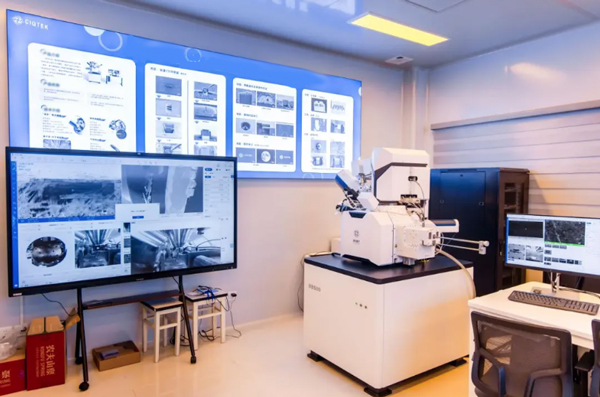
CIQTEK and LASystems Exhibit EPR Solutions at SEST 2025, Japan

CIQTEK, together with its Japanese distributor LASystems, participated in the 64th Annual Meeting of the Society of Electron Spin Science and Technology (SEST 2025)held from November 21 to 23, 2025, in Kiryu, Gunma Prefecture, Japan.


At the event, CIQTEK and LASystems presented CIQTEK’s comprehensive Electron Paramagnetic Resonance (EPR) product portfolio, including CW EPRBenchtop EPR, and Pulse EPR systems. These instruments are widely recognized for their high sensitivity, excellent field stability, and user-oriented design. They support a broad range of applications in spin chemistry, materials research, catalysis, batteries, and biological radical studies.


CIQTEK and LASystems Exhibit EPR Solutions at SEST 2025, Japan


During SEST 2025, many researchers visited the booth to learn about CIQTEK’s technical advantages, such as precise magnetic field control, stable microwave frequency performance, flexible variable-temperature configurations, and advanced pulse sequence capabilities. The event provided an opportunity for in-depth discussions on experimental workflows and potential collaborations.


CIQTEK has established a strong global presence in the EPR field. More than 200 EPR spectrometers have been delivered to research institutions across Asia, Europe, the Americas, etc. The instruments have supported the publication of over 170 scientific papers, including studies featured in NatureScience, and other leading journals. This growing body of research demonstrates the reliability and scientific value of CIQTEK’s EPR technology.


CIQTEK will continue strengthening its partnership with LASystems to bring high-performance EPR solutions and localized support to researchers throughout Japan.

阅读全文......

Why Magnetic Core Material Plays a Crucial Role in Inductor Performance A Deep Dive

Now fast-paced world of electronics, engineers are constantly faced with the challenge of optimizing circuit performance while maintaining compactness and energy efficiency. One crucial, yet often overlooked, component in these designs is the magnetic core used in inductors. The material of the magnetic core can dramatically influence the inductor’s performance, particularly in high-frequency applications.

This blog will explore how different magnetic core materials impact inductor performance, why choosing the right material is critical, and how these materials affect the efficiency and longevity of your electronic devices.


The Importance of Magnetic Core Material

Magnetic cores play a vital role in the function of inductors. They influence inductance, energy storage, efficiency, and power losses. The performance of an inductor is highly dependent on the magnetic material it’s made from, and the right choice of material can make a significant difference in how well the device operates across different frequencies and power levels.

There are several materials commonly used for magnetic cores in inductors, such as ferrite, silicon steel, and nanocrystalline alloys. Each material comes with its own set of advantages and limitations, making it essential for engineers to understand the material properties in order to make the right choice for a given application.


How Different Magnetic Core Materials Affect Performance

  1. Mn-Zn Ferrite Cores
    Ferrite cores are made from iron oxide combined with other metals, and they are widely used in high-frequency applications like switch-mode power supplies and transformers. They offer relatively low eddy current losses at high frequencies, making them suitable for circuits operating in the kilohertz (kHz) to megahertz (MHz) range. Additionally, ferrite cores have high magnetic permeability, which means they can store more magnetic energy with relatively low losses, improving circuit efficiency.

    However, Mn-Zn ferrite cores have limitations at very high frequencies, where losses can increase due to core material saturation. Ferrite cores are also less efficient at very low frequencies, which makes them less suitable for power transformers or circuits that require low-frequency performance.

     JH Amorphous Advantages
  2. Nanocrystalline Cores
    Nanocrystalline cores, a newer material in magnetic technology, offer exceptional performance in high-frequency applications. These cores are made from iron and other elements arranged in a nanocrystalline structure, which allows them to exhibit significantly higher magnetic permeability compared to ferrite cores.

    Nanocrystalline cores provide lower losses and higher efficiency in high-frequency circuits, such as power inductors in high-frequency switching power supplies. Their higher saturation flux density makes them particularly useful for high-power applications, where maintaining performance at higher current levels is essential.

    The main advantage of nanocrystalline cores over ferrite is their ability to operate with up to 30% lower high-frequency losses. They also maintain low hysteresis losses even at very high frequencies (several hundred kHz), making them ideal for applications in the 5G telecommunications, electric vehicles (EVs), and data centers.

     JH Amorphous Advantages
  3. Silicon Steel Cores
    Silicon steel is another material that has been used for decades in power transformers and other low-frequency applications. Its relatively low magnetic losses make it suitable for power transformers operating at 50-60Hz in traditional power grids.

    However, silicon steel’s performance at higher frequencies is limited due to significant eddy current losses. This makes it less suitable for high-frequency applications, such as modern power electronics or devices that operate in the kHz-MHz range.JH Amorphous Advantages


The Mechanism Behind Magnetic Core Performance

The performance of magnetic cores in inductors is largely determined by the following factors:

  • Magnetic Permeability: The ability of a material to support the formation of a magnetic field. Higher permeability means better energy storage capacity and lower losses.

  • Hysteresis Losses: The energy lost when the magnetic material is magnetized and demagnetized. Materials with lower hysteresis losses are more efficient.

  • Eddy Current Losses: Induced currents within the core material that cause heat loss. High-frequency applications require materials that minimize these losses.

  • Saturation Flux Density: The maximum magnetic field strength the material can handle before its magnetic properties break down. A higher saturation flux density means the material can handle higher currents without losing performance.


Quantifying the Performance Gains

  • Nanocrystalline materials reduce high-frequency losses by up to 30% compared to Mn-zn ferrite cores.

  • They also provide 2-3 times higher permeability, which means more efficient energy storage and enhanced inductor performance in high-power, high-frequency applications.

  • These materials are particularly useful in systems requiring low hysteresis loss and high-frequency operation (several hundred kHz), which are essential in modern electronics like switch-mode power supplies, 5G networks, and electric vehicles (EVs).


Choosing the Right Core Material for Different Applications

When selecting a magnetic core for an inductor, engineers must consider the specific requirements of the application:

  • Switch-Mode Power Supplies (SMPS): Ferrite and nanocrystalline cores are ideal for high-frequency operation and minimizing losses.

  • Electric Vehicles (EV): Nanocrystalline cores, with their high saturation flux density and low losses, are essential for handling large currents in high-power applications.

  • 5G Networks: High-performance cores, such as nanocrystalline, offer superior efficiency for handling high-frequency signals while minimizing power loss.

  • Data Centers: For high-speed communication and efficient power conversion, nanocrystalline cores are increasingly being used to improve system efficiency.


 The Critical Role of Magnetic Core Material in Inductor Design

Magnetic core material plays a critical role in the performance of inductors and the overall efficiency of electronic circuits. By selecting the appropriate core material—whether it’s ferrite, nanocrystalline, or silicon steel—engineers can ensure that inductors function efficiently across different frequencies and power levels.

Understanding the benefits and limitations of each material is essential for optimizing circuit designs in today’s high-performance, energy-efficient electronic systems. As technologies like 5G, electric vehicles, and AI data centers continue to evolve, the importance of choosing the right magnetic core material will only grow.


What’s Your Biggest Challenge in High-Frequency Inductor Design?

In the fast-evolving world of electronics, engineers are continuously tasked with pushing the limits of technology. Whether you’re designing power supplies, communication systems, or next-gen EVs, understanding the relationship between magnetic core material and inductor performance is key to achieving optimal results.


Let us know your thoughts, DM us. 

阅读全文......

Long Distance, Wide Connectivity How Sub-G RF Modules Are Quietly Rising in the IoT Era

While Wi-FiBluetooth, and other 2.4 GHz technologies dominate short-range communication today, a wireless technology operating in lower frequency bands is carving out its own niche in the vast field of the Internet of Things (IoT) with its irreplaceable advantages. Sub-1GHz (Sub-G for short) wireless modules, much like an unobstructed "suburban expressway," stand in stark contrast to the congested “downtown urban highway" of the 2.4 GHz band, becoming a backbone for achieving wide-area IoT connectivity with their exceptional characteristics of long range and low power consumption.


  • Understanding Sub-G Modules

Sub-G modules, short for Sub-1 GHz modules, are wireless radio frequency modules that operate in license-free ISM frequency bands below 1 GHz (such as 169 MHz, 315 MHz, 433 MHz, 470 MHz, 868 MHz, 915 MHz, 920 MHz, etc.).

Their technical advantages are rooted in basic physics: The lower the frequency, the lower the propagation loss of the radio wave and the stronger its diffraction capability. This allows Sub-G modules to easily achieve kilometer-level communication distances and powerful wall-penetrating and obstacle-surpassing capabilities, making them particularly suitable for deployment in complex environments and IoT applications requiring large-scale coverage.


  • Network Topology Structures

Sub-G modules support flexible network architectures to adapt to ever-changing application scenarios.

Star Topology: All end nodes communicate directly with a central gateway or concentrator. It features a simple structure and very low power consumption, making it the preferred choice for LoRaWAN and many proprietary protocols, perfectly suited for large-scale applications like smart metering and environmental monitoring.

Point-to-Point Topology: Establishes a direct link between two devices. It is simple and direct, with low latency, often used for remote control and data transparent transmission.

Mesh Topology: Each node can act as a relay, automatically forming a network and relaying data transmissions. This can greatly extend network coverage, suitable for areas where gateway deployment is difficult but wide coverage is needed.


  • Core RF Technologies and Chips

The implementation of Sub-G modules relies on their underlying chips and communication protocols, mainly divided into the following categories:

LoRa (Long Range Radio)
This is one of the most representative technologies. It uses Chirp Spread Spectrum (CSS) technology, achieving ultra-long-range communication with very low power consumption and possessing extremely high receiver sensitivity, significantly improving link budget and anti-interference capability.


Representative Chips: Semtech's SX1276SX1262 series.


Proprietary Protocols (Private Protocols)
Chip manufacturers provide basic RF transceiver chips, based on which developers can customize private protocols. This approach offers controllable cost and high flexibility.


Representative Chips: Texas Instruments (TI)'s CC1310CC1312RCC1352RCC1352PCC1352P7CC1354P10, Silicon Labs' Si446x series.


RF-star also supply the CC1310(
RF-SM-1077B1/RF-SM-1077B2), CC1312R(RF-SM-1277B1/RF-SM-1277B2), CC1352R(RF-TI1352B1), CC1352P(RF-TI1352P1), CC1352P7(RF-TI1352P2) ,CC1354P10(RF-TI1354P1

Wi-SUN (Wireless Smart Ubiquitous Network)
This is an open standard protocol based on IEEE 802.15.4g standards, renowned for its powerful mesh network self-forming and self-healing capabilities and high scalability. It is very suitable for IoT applications requiring large scale, high reliability, and frequent communication between devices, such as Advanced Metering Infrastructure (AMI) and smart power distribution.


Representative Chips: TI's CC1312RCC1352RCC1352PCC1352P7CC1354P10 and other series chips, featuring +20 dBm transmit power, are an ideal hardware foundation for building Wi-SUN networks.


See RF-star’ Sub-G wireless modules list: CC1312R(RF-SM-1277B1/RF-SM-1277B2), CC1352R(RF-TI1352B1), CC1352P(RF-TI1352P1), CC1352P7(RF-TI1352P2), CC1354P10(RF-TI1354P1


Other Standard Protocols
Including Sigfox (Ultra-Narrowband technology), wireless M-Bus (European standard for smart metering), Z-Wave (smart home protocol), etc., each playing an important role in specific application fields.


  • Core Characteristics of Sub-G Modules

Ultra-Long Transmission Distance: Under the same transmit power, its communication distance far exceeds that of 2.4 GHz technologies, easily covering ranges of several kilometers.

Powerful Penetration and Diffraction Capability: Low-frequency signals can effectively bypass or penetrate obstacles like buildings and vegetation, performing stably in complex environments.

Ultra-Low Power Consumption: Many protocols are optimized for battery power, combined with deep sleep modes, enabling device battery life to last for years or even over a decade.

Strong Anti-Interference Capability: The Sub-G band is far from crowded bands like Wi-Fi and Bluetooth, with low environmental noise, making communication links very reliable.

Large Network Capacity: Based on various network architectures like Star topology, a single gateway can connect to tens of thousands or even hundreds of thousands of end nodes, facilitating large-scale deployment.

Excellent Interoperability (Specifically for standard protocols like Wi-SUN): Adhering to globally unified open standards, devices from different manufacturers can seamlessly access the same network, breaking down ecosystem barriers.


  • Typical Application Scenarios

Smart Cities and Utilities: Including remote reading for smart water/electricity/gas meters, smart street light control, smart parking, and urban environmental monitoring, representing the most classic application area for Sub-G modules.

Smart Agriculture and Livestock Farming: Enabling field soil moisture monitoring, meteorological data collection, smart irrigation control, and livestock location tracking.

Industrial IoT (IIoT): Used in vast factory areas or mines for equipment condition monitoring, asset tracking, and pipeline safety monitoring.

Smart Home and Security: Providing whole-house stable coverage for devices like smart door locks, door/window sensors, and smoke detectors, with strong signal penetration. The Z-Wave protocol is widely used in overseas smart homes.


  • RF-star Sub-G Module Solutions

RF-star Technology provides a series of mature and stable Sub-G modules. Their advantages in hardware design and integration greatly help customers simplify the product development process.


Rich Package Designs
RF-star modules adopt standardized stamp-hole SMD packages with diverse sizes, making them very suitable for embedding into various structures. This integrated SMD package facilitates large-scale production using automated pick-and-place machines, effectively improving production efficiency and ensuring product consistency.

Flexible Antenna Options
To accommodate different product design needs, RF-Star's Sub-G modules offer various antenna connection methods. For devices requiring built-in antennas, the PCB antenna on the module is convenient and cost-effective. For applications requiring optimal RF performance, the module is equipped with a standard generation IPEX interface, allowing easy connection to external rod antennas or flexible antennas, providing engineers with maximum design flexibility.

Plug-and-Play Reliability
Choosing RF-Star Sub-G modules means developers do not need to invest high costs and effort into complex RF circuit design, and some modules also feature proprietary transparent transmission protocols. These critical and time-consuming steps have been completed on the module side, ensuring that end products can be brought to market quickly with excellent communication stability and reliability.

Rich Interface Support
RF-Star's Sub-G modules provide comprehensive hardware interface resources for easy system integration, including but not limited to UART, SPI, I2C, and other standard interfaces. The abundant interface resources meet the connection needs of most IoT nodes.

Multi-Protocol Compatible Platform
Some of RF-Star's Sub-G modules support dual-mode concurrent operation (2.4 GHz + Sub-G), and can also support various communication protocols such as Wi-SUN and proprietary protocols. The same hardware platform can adapt to different market and application requirements, also reserving ample space for future product upgrades and feature expansion.

 
  • Summary and Outlook

In the current era of increasingly diversified IoT connectivity needs, Sub-G modules have become an indispensable part of wide-area IoT applications due to their comprehensive advantages in range, power consumption, penetration capability, and cost. The diverse, high-performance module solutions provided by RF-Star continue to empower developers, significantly lower the barrier to R&D, and drive the boundaries of the "Internet of Everything" to expand wider and deeper.

阅读全文......